Introduction
The Painted Tree-rat (Callistomys pictus) is an intriguing member of the family Echimyidae, which includes various arboreal and terrestrial rodents native to South America. Known for its striking appearance and elusive nature, the Painted Tree-rat has captured the interest of mammalogists and nature enthusiasts alike. This article delves into the unique characteristics, habitat, behavior, and conservation status of this fascinating species, aiming to provide a comprehensive overview for those interested in South American wildlife.
Physical Description
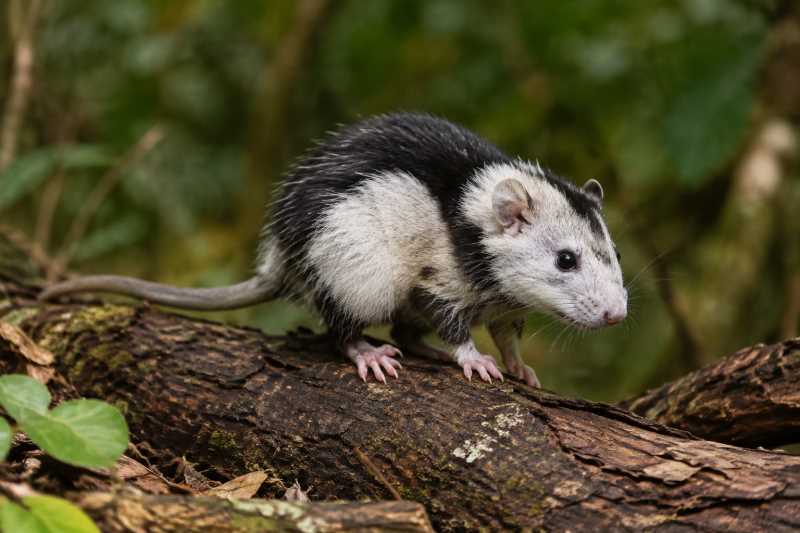
The Painted Tree-rat is a medium-sized rodent, distinguished by its distinctive coloration and physical features. Adults typically measure between 30 to 35 centimeters in length, including the tail, and weigh approximately 200 to 300 grams. The species is easily recognizable by its soft, dense fur, which is predominantly gray with a striking white stripe running along the spine from head to tail. This dorsal stripe is bordered by darker patches, giving the Painted Tree-rat its unique and appealing appearance. The tail is relatively long, bushy, and matches the body in coloration, providing balance and agility in its arboreal habitat.
The Painted Tree-rat possesses a broad, rounded head with large, expressive eyes adapted for its nocturnal lifestyle. Its ears are small and rounded, blending seamlessly into the head’s contour. The front limbs are shorter than the hind limbs, equipped with sharp claws to assist in climbing and foraging. Overall, the physical attributes of the Painted Tree-rat are perfectly suited for an arboreal lifestyle, facilitating efficient movement through the forest canopy.
Range and Habitat
The Painted Tree-rat is endemic to Brazil, with its range primarily confined to the Atlantic Forest biome. This biome is one of the most biodiverse regions in the world, characterized by dense, tropical rainforests and a rich array of plant and animal species. The Painted Tree-rat prefers undisturbed primary forests, where it can find ample food sources and shelter. However, it can also be found in secondary forests and edge habitats, demonstrating some adaptability to altered environments.
Despite its adaptability, the Painted Tree-rat’s habitat is under threat due to deforestation and habitat fragmentation, driven by agricultural expansion, logging, and urban development. These activities have significantly reduced the extent of the Atlantic Forest, posing a challenge to the species’ survival.
Behavior and Diet
The Painted Tree-rat is primarily nocturnal, spending its nights foraging and its days resting in tree hollows or dense foliage. It is an arboreal species, rarely descending to the ground, and is known for its agility and dexterity in navigating the forest canopy. The species is generally solitary, with individuals maintaining distinct territories that they mark and defend from intruders.
In terms of diet, the Painted Tree-rat is herbivorous, feeding on a variety of plant materials. Its diet mainly consists of fruits, seeds, leaves, and occasionally bark. The species plays a crucial role in seed dispersal, contributing to the regeneration and maintenance of its forest habitat. Its foraging behavior is influenced by seasonal availability of food resources, with a preference for fruits during periods of abundance.
Identification Tips
Identifying the Painted Tree-rat in the wild can be challenging due to its nocturnal and elusive nature. However, certain field recognition cues can aid in its identification:
- Coloration: Look for the distinctive gray body with a white dorsal stripe bordered by darker patches.
- Tail: Note the long, bushy tail that matches the body in coloration, often seen draping from branches.
- Habitat: Focus on dense forested areas within the Atlantic Forest biome where the species is known to reside.
- Behavior: Observe nocturnal activity patterns, as the species is most active during the night.
- Sound: Listen for rustling in the trees, as this can indicate the presence of the Painted Tree-rat moving through the canopy.
Conservation Status
The Painted Tree-rat is currently classified as Near Threatened on the IUCN Red List. The primary threat to its survival is habitat loss due to deforestation and fragmentation of the Atlantic Forest. Agricultural expansion, urban development, and logging activities have severely reduced the species’ natural habitat, making conservation efforts critical.
Efforts to protect the Painted Tree-rat include the establishment of protected areas within the Atlantic Forest, which help preserve critical habitats. Conservation organizations are also working to promote sustainable land-use practices and restore degraded forest areas. Additionally, research and monitoring programs are essential to improve understanding of the species’ ecology and inform conservation strategies.
Frequently Asked Questions
What is the Painted Tree-rat’s role in the ecosystem?
The Painted Tree-rat plays a vital role in its ecosystem as a seed disperser. By consuming fruits and excreting seeds in different locations, it facilitates forest regeneration and biodiversity maintenance in the Atlantic Forest.
How does deforestation impact the Painted Tree-rat?
Deforestation leads to habitat loss and fragmentation, which can isolate populations and reduce genetic diversity. This makes the Painted Tree-rat more vulnerable to environmental changes and human activities.
Are there any conservation programs for the Painted Tree-rat?
Yes, several conservation programs focus on habitat protection and restoration within the Atlantic Forest. These initiatives aim to preserve existing forest areas and promote sustainable land-use practices to safeguard the Painted Tree-rat’s habitat.
Can the Painted Tree-rat adapt to urban environments?
While primarily adapted to forest habitats, the Painted Tree-rat has shown some adaptability to secondary forests and edge habitats. However, it generally avoids urban environments, which lack the necessary resources and shelter.
What are the main threats to the Painted Tree-rat?
The main threats to the Painted Tree-rat include habitat loss due to deforestation, habitat fragmentation, and human encroachment. Conservation efforts are crucial to mitigate these threats and ensure the species’ survival.
Related posts