Introduction
Nelson’s Small-eared Shrew, scientifically known as Cryptotis nelsoni, is an elusive and fascinating mammal found in specific regions of Central America. This species, belonging to the Soricidae family, is part of the genus Cryptotis, which is characterized by its small size, reduced ear pinnae, and a preference for moist habitats. Nelson’s Small-eared Shrew is a unique species that plays an important role in its ecosystem by controlling insect populations and contributing to soil aeration. Despite its ecological importance, this shrew remains relatively understudied, which has implications for its conservation and management.
Physical Description
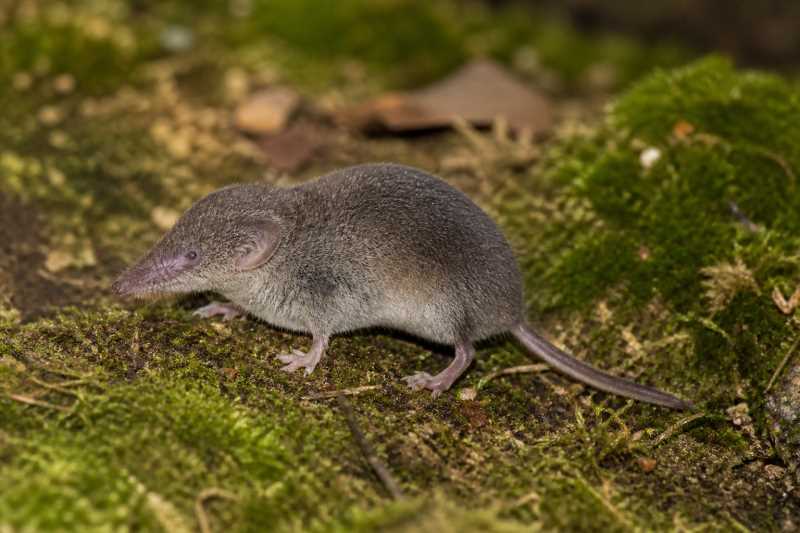
Nelson’s Small-eared Shrew is diminutive in size, typically measuring between 8 to 11 centimeters in total length, including a short tail that accounts for about one-third of its body length. The species is characterized by its small, barely visible ear pinnae, a feature from which it derives its common name. Its fur is dense and velvety, predominantly dark gray to brownish in color, which provides excellent camouflage against the forest floor’s leaf litter and soil.
This shrew possesses a pointed snout, which is highly sensitive and aids in the detection of prey. The eyes are small, indicating its reliance on other senses such as smell and touch rather than vision. Its limbs are short, with forefeet adapted for digging, reflecting its fossorial lifestyle.
Range and Habitat
Nelson’s Small-eared Shrew is endemic to the highland cloud forests of southern Mexico, particularly in the regions of Veracruz and Oaxaca. These areas are characterized by high humidity, dense vegetation, and a cool climate, which are ideal conditions for this shrew species. The shrew prefers habitats with abundant leaf litter and a thick understory, providing ample cover and a rich supply of invertebrate prey.
Due to its limited range, the habitat of Nelson’s Small-eared Shrew is highly specific and fragmented. Deforestation and land conversion for agriculture and urban development are significant threats to its habitat, which in turn threatens the survival of the species.
Behavior and Diet
Nelson’s Small-eared Shrew is primarily nocturnal, although it may also exhibit crepuscular activity. It is a solitary animal, with individuals maintaining small home ranges. The shrew’s diet consists mainly of invertebrates such as insects, worms, and arachnids, which it locates using its keen sense of smell and touch. The shrew’s high metabolic rate necessitates frequent feeding, and it spends a significant portion of its active period foraging.
In addition to feeding, this shrew is also known for its burrowing behavior. It constructs intricate tunnel systems within the soft forest floor, which provide shelter and protection from predators. These burrows also play a role in soil aeration and nutrient cycling, underscoring the species’ ecological importance.
Identification Tips (field recognition cues)
Identifying Nelson’s Small-eared Shrew in the field can be challenging due to its small size and secretive nature. However, several cues can aid in its recognition:
- Habitat: Look for this shrew in highland cloud forests with dense leaf litter and a moist environment.
- Physical Features: Note the small size, velvety dark gray to brownish fur, and the reduced ear pinnae which are not easily visible.
- Behavior: Observe for signs of nocturnal activity and burrowing, as well as the presence of small tunnels within the forest floor.
- Vocalizations: Listen for faint, high-pitched calls, which may be used for communication among individuals or during foraging.
Conservation Status (with threats and protections)
The conservation status of Nelson’s Small-eared Shrew is currently listed as Vulnerable according to the International Union for Conservation of Nature (IUCN). The primary threats to this species are habitat loss and fragmentation driven by deforestation, agriculture, and urban expansion. The limited range of this shrew makes it particularly susceptible to these threats, as it relies heavily on specific habitat conditions.
Efforts to protect Nelson’s Small-eared Shrew involve habitat conservation and management. There are protected areas within its range, but continued efforts are needed to ensure these habitats remain intact and are not further degraded. Research into the species’ ecology and population dynamics is also crucial for informed conservation strategies.
Frequently Asked Questions
What is the diet of Nelson’s Small-eared Shrew?
Nelson’s Small-eared Shrew primarily feeds on invertebrates, including insects, worms, and arachnids. Its high metabolic rate requires constant foraging, and it uses its acute sense of smell and touch to locate prey.
How can I identify Nelson’s Small-eared Shrew in the wild?
Look for its small size, dark velvety fur, and reduced ear pinnae in highland cloud forests. Its nocturnal and burrowing behavior, along with faint high-pitched vocalizations, can also aid in identification.
Where is Nelson’s Small-eared Shrew found?
This shrew is endemic to the highland cloud forests of southern Mexico, specifically in the regions of Veracruz and Oaxaca. It prefers moist habitats with abundant leaf litter and a thick understory.
Why is Nelson’s Small-eared Shrew considered vulnerable?
The shrew is vulnerable due to habitat loss and fragmentation caused by deforestation, agricultural expansion, and urban development. Its limited range makes it particularly susceptible to these threats.
What conservation efforts are in place for Nelson’s Small-eared Shrew?
Conservation efforts focus on habitat protection and management, including the maintenance of protected areas within its range. Ongoing research into the species’ ecology and population is also essential for its conservation.
Related posts