The Enigmatic Grey-brown White-eye: A Comprehensive Overview
The Grey-brown White-eye, scientifically known as Zosterops ponapensis, is a captivating avian species belonging to the Zosteropidae family. This small bird, with its subtle yet distinctive hues, inhabits the lush landscapes of Micronesia, specifically the island of Pohnpei. Despite its modest size, the Grey-brown White-eye plays an integral role in its ecosystem, contributing to the intricate web of biodiversity that characterizes its habitat. This article delves into the various aspects of the Grey-brown White-eye, from its taxonomy and physical characteristics to its behavior, habitat, and conservation status.
Taxonomy and Classification
The Zosterops genus, to which the Grey-brown White-eye belongs, is a diverse group of birds commonly referred to as "white-eyes." These birds are named for the prominent white eye-ring that many species possess. The Grey-brown White-eye is one of the numerous species within this genus, which is widespread across Africa, Asia, and the Pacific islands. The species Zosterops ponapensis is endemic to the island of Pohnpei in the Federated States of Micronesia, making it a subject of considerable interest for ornithologists and conservationists alike.
The taxonomic classification of the Grey-brown White-eye is as follows:
- Kingdom: Animalia
- Phylum: Chordata
- Class: Aves
- Order: Passeriformes
- Family: Zosteropidae
- Genus: Zosterops
- Species: Zosterops ponapensis
Physical Characteristics
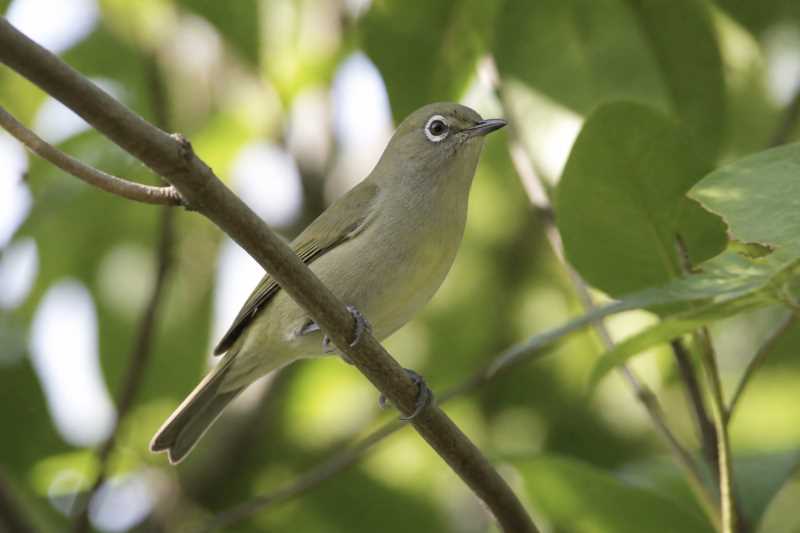
The Grey-brown White-eye is a small, agile bird, measuring approximately 11 to 12 centimeters in length. Its plumage is predominantly grey-brown, as its common name suggests, with subtle variations in shading that aid in camouflage among the foliage. The most distinguishing feature of this species is its white eye-ring, which contrasts strikingly with its muted plumage. This eye-ring is not only a key identification marker but also serves to enhance the bird’s vision by reducing glare from sunlight.
The beak of the Grey-brown White-eye is slender and pointed, adapted for its insectivorous diet. Its legs are relatively short and strong, enabling it to navigate through dense vegetation with ease. The bird’s wings are rounded, providing agility and maneuverability in flight, which is essential for foraging within the forest canopy.
Behavior and Diet
Grey-brown White-eyes are known for their social nature, often observed in small flocks as they forage for food. Their diet primarily consists of insects and other small invertebrates, which they glean from leaves and branches. They play a crucial role in controlling insect populations, thereby maintaining ecological balance within their habitat. In addition to insects, these birds also consume nectar and fruit, contributing to the pollination and seed dispersal of various plant species.
The vocalizations of the Grey-brown White-eye are characterized by a series of soft, melodious calls that serve as a means of communication among flock members. These calls are particularly important during the breeding season, when males use song to attract mates and establish territory.
Habitat and Distribution
The Grey-brown White-eye is endemic to the island of Pohnpei, where it inhabits a range of forested environments. These include primary and secondary forests, as well as forest edges and gardens. The bird’s adaptability to different forest types is a testament to its resilience and ecological versatility.
Pohnpei is a volcanic island characterized by a humid tropical climate and rich biodiversity. The island’s forests are home to a variety of flora and fauna, making them a critical habitat for numerous endemic species, including the Grey-brown White-eye. The preservation of these forests is essential for the survival of the species, as habitat loss poses a significant threat to its population.
Breeding and Reproduction
The breeding season of the Grey-brown White-eye typically coincides with periods of increased food availability, which ensures sufficient resources for raising offspring. During this time, males engage in elaborate courtship displays, which include singing and aerial maneuvers to attract females.
Nests are constructed in dense vegetation, providing shelter and protection from predators. The female typically lays two to three eggs, which are incubated by both parents. After hatching, the chicks are fed a diet rich in insects, which supports their rapid growth and development. The cooperative breeding behavior observed in this species, where group members assist in raising the young, enhances the survival rates of the offspring.
Conservation Status and Threats
The Grey-brown White-eye is currently classified as a species of Least Concern by the International Union for Conservation of Nature (IUCN). However, this status does not imply that the species is free from threats. Habitat destruction, primarily due to deforestation and land conversion for agriculture, poses a significant risk to the bird’s population. Additionally, invasive species, such as rats and snakes, present ongoing threats by preying on eggs and young birds.
Conservation efforts on Pohnpei must prioritize habitat protection and restoration to ensure the long-term survival of the Grey-brown White-eye. Public awareness and community involvement in conservation initiatives are crucial components of these efforts, promoting sustainable land use practices and biodiversity preservation.
Ecological Significance
The Grey-brown White-eye plays a vital role in the ecological dynamics of Pohnpei’s forests. As an insectivorous bird, it helps regulate insect populations, preventing outbreaks that could harm plant communities. Its role as a pollinator and seed disperser further underscores its importance in maintaining the health and diversity of its ecosystem.
By understanding and appreciating the ecological contributions of the Grey-brown White-eye, conservationists and local communities can work together to protect this species and its habitat. Ensuring the survival of the Grey-brown White-eye not only preserves the biodiversity of Pohnpei but also supports the overall health of the island’s ecosystems.
Conclusion
The Grey-brown White-eye is a remarkable example of avian adaptation and resilience. Its unique characteristics, behavior, and ecological significance make it a subject of interest for ornithologists and conservationists. As an endemic species, it serves as an ambassador for the rich biodiversity of Pohnpei and the broader Micronesian region.
Efforts to conserve the Grey-brown White-eye must address the challenges it faces, particularly habitat loss and invasive species. By fostering a deeper understanding of this species and its role in the ecosystem, we can contribute to the preservation of Pohnpei’s natural heritage for future generations.
In summary, the Grey-brown White-eye is more than just a bird; it is a vital component of its environment, intricately linked to the health and sustainability of its habitat. Its conservation is not only a matter of protecting a single species but also a commitment to preserving the intricate tapestry of life that defines Pohnpei’s forests.
Related posts