Feng’s White-bellied Rat (Niviventer fengi): A Comprehensive Overview
Introduction
Feng’s White-bellied Rat, scientifically known as Niviventer fengi, is a unique mammal species that has intrigued scientists and nature enthusiasts alike. Belonging to the family Muridae, this rodent is primarily found in select regions of Asia. With its distinct physical characteristics and habitat preferences, Feng’s White-bellied Rat plays a vital role in its ecosystem. This article delves into the various aspects of this intriguing species, including its physical description, habitat, behavior, and conservation status.
Physical Description
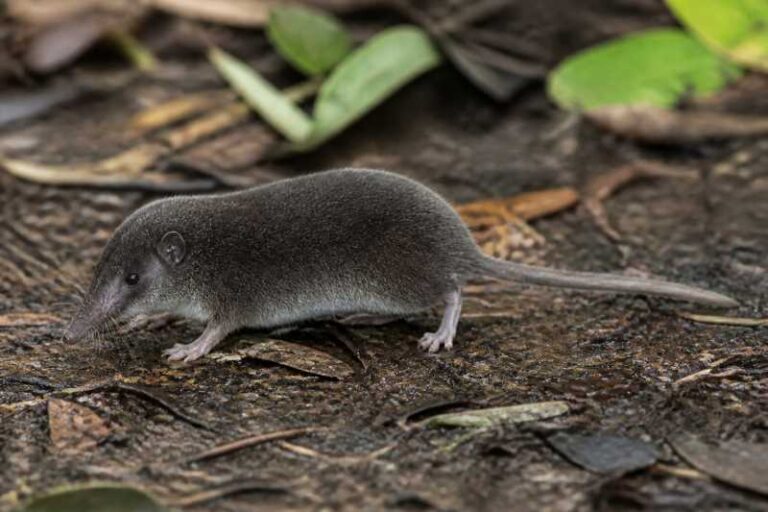
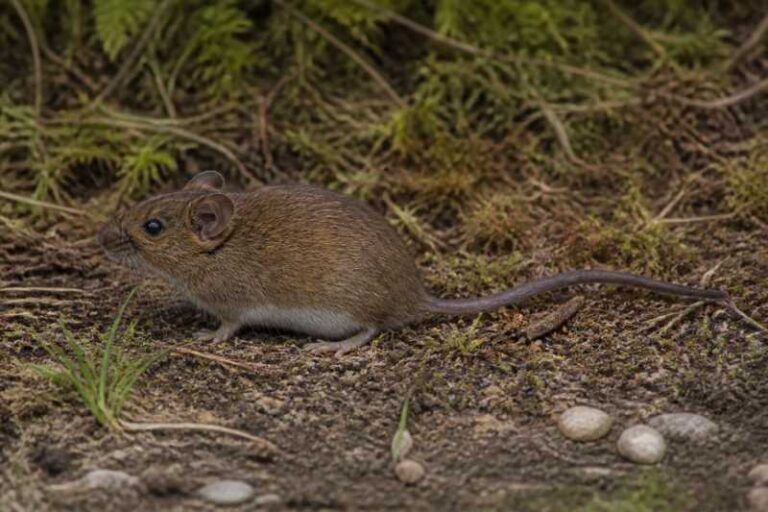
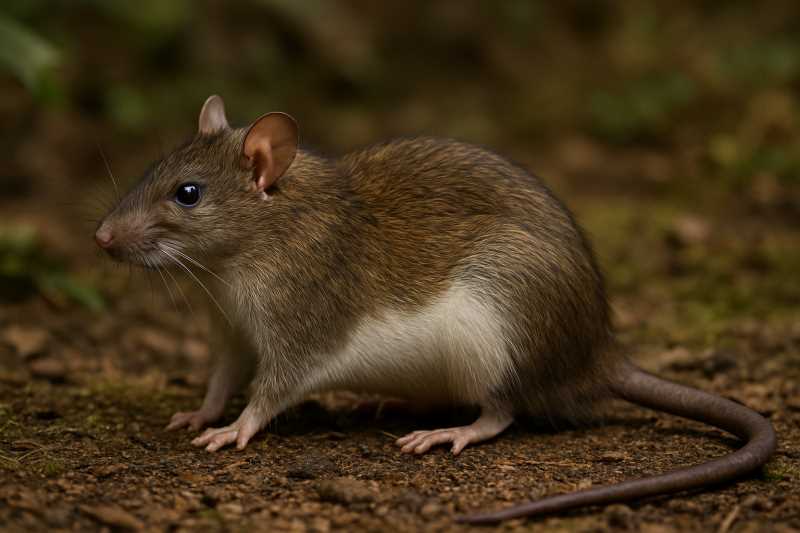
Feng’s White-bellied Rat is characterized by its medium-sized body, which typically ranges from 15 to 20 centimeters in length, excluding the tail. The tail itself often measures about the same length as the body, contributing to its adept balance and agility. The species is most recognizable by its white underbelly, which sharply contrasts with its darker dorsal fur. The fur on the back is generally a mix of brown and gray, providing excellent camouflage against the forest floor and rocky outcrops.
The rat’s head is relatively small, with large, prominent eyes that facilitate nocturnal vision. Its ears are rounded and covered with fine fur, aiding in acute hearing. The paws of Feng’s White-bellied Rat are adapted for climbing, with sharp claws and sensitive pads that allow for exceptional grip on various surfaces.
Range and Habitat
Feng’s White-bellied Rat is primarily found in the mountainous regions of Southeast Asia, with confirmed populations in parts of China and northern Vietnam. The species thrives in subtropical and temperate forest environments, favoring dense underbrush and rocky terrains that provide ample cover from predators.
These rodents are typically found at elevations ranging from 500 to 2,000 meters, where the climate is cooler and the vegetation is more diverse. The presence of streams and rivers in these habitats is crucial, as they not only provide a source of water but also influence the availability of food resources.
Behavior and Diet
As a nocturnal creature, Feng’s White-bellied Rat is most active during the night, when it forages for food and engages in social interactions. This species is primarily herbivorous, feeding on a diet that includes seeds, fruits, and young plant shoots. However, it is also known to consume insects and other small invertebrates when plant food is scarce.
The species exhibits a solitary lifestyle, although it may form small, loose-knit groups during the breeding season. Communication among these rats involves a series of high-pitched squeaks and scent markings, which are used to establish territory and attract mates.
Identification Tips (Field Recognition Cues)
Identifying Feng’s White-bellied Rat in the wild involves several key visual cues:
- Distinctive Fur Pattern: Look for the stark contrast between the white belly and the darker back.
- Tail Length: The tail is usually as long as, or longer than, the body and covered in fine hair.
- Large Eyes: Adapted for nocturnal activity, the large eyes are a prominent feature.
- Habitat: Found in dense forests at mid to high elevations, often near water sources.
- Behavior: Nocturnal habits and solitary nature can help distinguish this species from other rodents.
Conservation Status (With Threats and Protections)
Feng’s White-bellied Rat is currently classified as "Least Concern" on the IUCN Red List. However, its populations face several threats that could impact their future stability. The primary threats include habitat destruction due to logging, agricultural expansion, and infrastructure development. Additionally, climate change poses a risk by altering the delicate balance of their mountainous ecosystems.
Protection measures for this species include preserving its natural habitat through the establishment of protected areas and reserves. Conservation organizations are also working to monitor population trends and promote sustainable land-use practices that minimize human impact.
Frequently Asked Questions
What is the typical lifespan of Feng’s White-bellied Rat?
Feng’s White-bellied Rat typically lives for about 2 to 3 years in the wild. This lifespan can be influenced by factors such as predation, food availability, and environmental conditions.
How does Feng’s White-bellied Rat contribute to its ecosystem?
This species plays a crucial role in seed dispersal, which helps maintain plant diversity and forest regeneration. By feeding on a variety of seeds and fruits, they contribute to the spread of vegetation across their habitats.
Are there any specific predators of Feng’s White-bellied Rat?
Common predators include birds of prey, snakes, and small carnivorous mammals. Their nocturnal habits and camouflaged fur provide some defense against these threats.
How can I help in the conservation of Feng’s White-bellied Rat?
Supporting conservation organizations and advocating for the protection of forest habitats are effective ways to contribute. Additionally, promoting awareness about the ecological importance of this species can aid in its preservation.
What distinguishes Feng’s White-bellied Rat from other rodent species?
The combination of its white belly, long tail, and specific habitat preferences distinguishes it from other rodents. Its adaptation to mountainous forest environments is also a notable characteristic.
Related posts