Introduction
The Ethiopian Vlei Rat, scientifically known as Otomys typus, is a fascinating rodent species native to the highlands of Ethiopia. As a member of the Muridae family, this small mammal plays a crucial role in the ecosystem, contributing to seed dispersal and serving as prey for various predators. Despite its significance, the Ethiopian Vlei Rat remains relatively understudied, with much of its natural history still shrouded in mystery. This article aims to provide a comprehensive overview of the Ethiopian Vlei Rat, covering its physical attributes, habitat preferences, behavioral patterns, and conservation status.
Physical Description
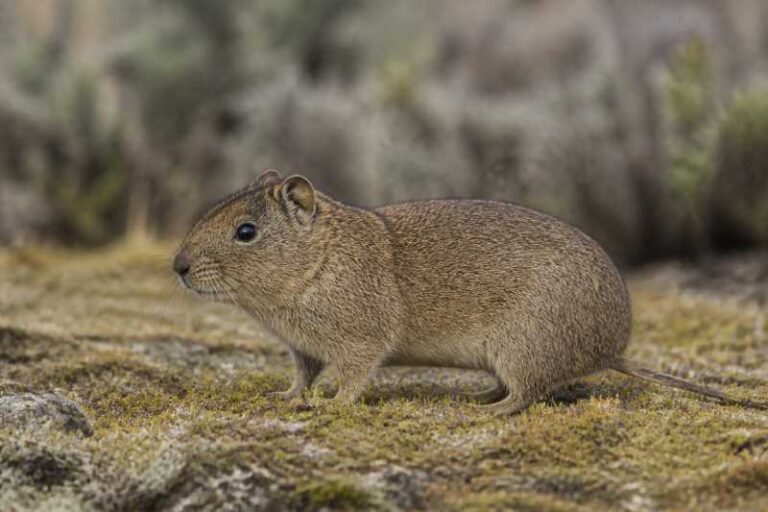
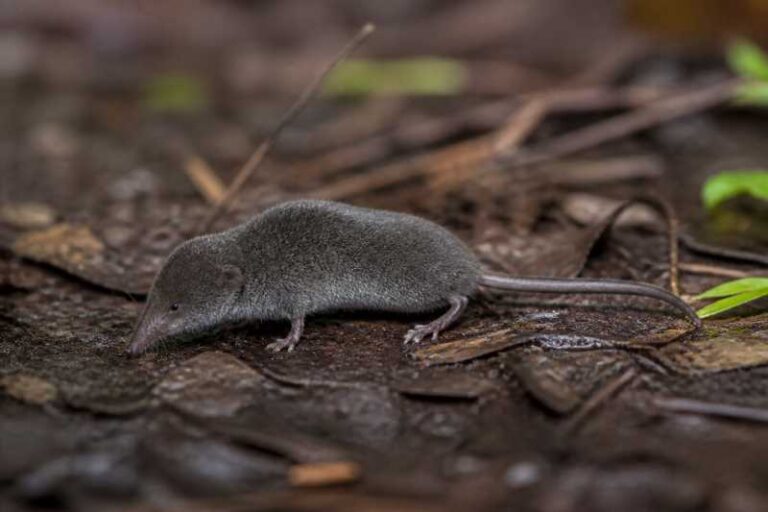
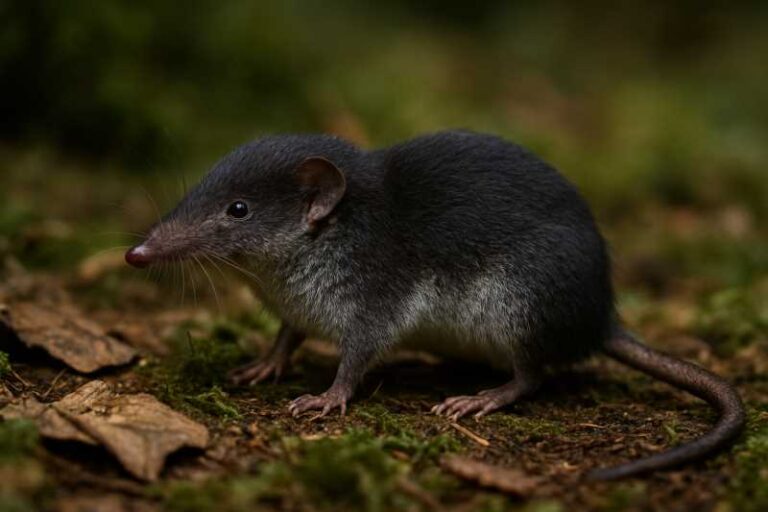
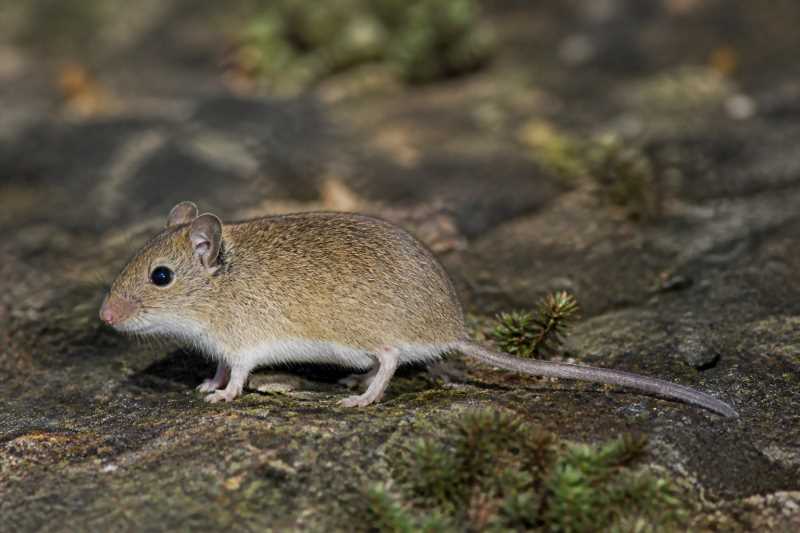
The Ethiopian Vlei Rat is a medium-sized rodent characterized by its robust body and distinctive features. Adults typically measure between 18 to 22 centimeters in body length, with a tail that ranges from 10 to 15 centimeters. The fur is dense and soft, predominantly gray-brown on the dorsal side, transitioning to a paler gray or white on the ventral surface. This coloration provides effective camouflage against the rocky and grassy environments it inhabits.
The head is broad with small, rounded ears and large, black eyes that are adapted for night vision. The species possesses strong, chisel-like incisors, which are essential for gnawing through tough vegetation. The limbs are short and sturdy, equipped with sharp claws that aid in digging and climbing. Sexual dimorphism is minimal, with males and females exhibiting similar size and coloration.
Range and Habitat
The Ethiopian Vlei Rat is endemic to the Ethiopian Highlands, a region known for its diverse ecosystems and unique biodiversity. This species is typically found at elevations ranging from 2,500 to 4,000 meters, where it occupies a variety of habitats including montane grasslands, heathlands, and rocky outcrops. These environments are characterized by cool temperatures, high precipitation, and abundant vegetation, providing ample food resources and shelter.
Within these habitats, the Ethiopian Vlei Rat constructs intricate burrow systems, which serve as protection from predators and harsh weather conditions. These burrows are often located near water sources, such as streams or marshes, which are crucial for their survival.
Behavior and Diet
Primarily nocturnal, the Ethiopian Vlei Rat is most active during the night when it forages for food. It exhibits a herbivorous diet, feeding on a variety of grasses, herbs, and roots. Its strong incisors are well-adapted for cutting through fibrous plant material, and it has been observed to hoard food supplies within its burrows for consumption during lean periods.
Socially, the Ethiopian Vlei Rat is relatively solitary, although it may form loose colonies in areas with abundant resources. Communication among individuals is facilitated through vocalizations, scent marking, and body language. During the breeding season, which coincides with the rainy months, males and females come together for mating. Females give birth to litters of 2 to 4 young after a gestation period of approximately 30 days.
Identification Tips (Field Recognition Cues)
Identifying the Ethiopian Vlei Rat in the field requires attention to several key characteristics:
- Size and Shape: Medium-sized rodent with a robust, compact body.
- Fur Coloration: Gray-brown dorsal fur with a paler underside.
- Tail: Shorter than the body, sparsely furred with a dark tip.
- Ears and Eyes: Small, rounded ears and large, dark eyes.
- Habitat: Look for them in high-altitude grasslands and rocky outcrops.
Conservation Status (with Threats and Protections)
The Ethiopian Vlei Rat is currently classified as "Least Concern" by the International Union for Conservation of Nature (IUCN). However, its populations face several threats that could impact its long-term survival. Habitat destruction due to agricultural expansion, grazing by livestock, and climate change pose significant risks to its natural habitats. Additionally, predation by domestic animals and hunting by humans for food or pest control further exacerbate these pressures.
Conservation efforts for the Ethiopian Vlei Rat are primarily focused on habitat preservation and the implementation of sustainable agricultural practices. Protected areas within the Ethiopian Highlands provide crucial refuges for this species, though more research is needed to fully understand its ecological needs and develop effective conservation strategies.
Frequently Asked Questions
What does the Ethiopian Vlei Rat eat?
The Ethiopian Vlei Rat primarily feeds on grasses, herbs, and roots. Its diet is herbivorous, and it uses its strong incisors to gnaw through tough plant material.
Where can I find the Ethiopian Vlei Rat?
This species is endemic to the Ethiopian Highlands, where it inhabits montane grasslands, heathlands, and rocky outcrops at elevations between 2,500 and 4,000 meters.
How does the Ethiopian Vlei Rat communicate?
The Ethiopian Vlei Rat communicates through vocalizations, scent marking, and body language. During the breeding season, communication is particularly important for mating.
What is the conservation status of the Ethiopian Vlei Rat?
The Ethiopian Vlei Rat is currently classified as "Least Concern" by the IUCN, although its populations are threatened by habitat destruction and other anthropogenic factors.
How can I identify an Ethiopian Vlei Rat in the wild?
Look for a medium-sized rodent with gray-brown fur, a short tail with a dark tip, small rounded ears, and large dark eyes. They are typically found in high-altitude grasslands and rocky areas.
Related posts