Introduction
The Chestnut Tree Mouse, scientifically known as Pogonomys macrourus, is a fascinating rodent species nestled within the diverse ecosystems of Australasia. Belonging to the family Muridae, this species is a notable member of the Pogonomys genus, which is characterized by its arboreal lifestyle and specialized adaptations for life in the trees. Despite its relatively obscure status in wider public knowledge, the Chestnut Tree Mouse plays a crucial role in its natural habitat, contributing to the ecological balance and biodiversity of the regions it inhabits.
Understanding the Chestnut Tree Mouse is not only essential for appreciating the intricate tapestry of life in the forests where it resides but also for conservation efforts aimed at protecting unique ecosystems. This article delves into the various aspects of the Chestnut Tree Mouse’s life, including its physical characteristics, habitat preferences, behavioral patterns, and conservation status, providing a comprehensive overview of this intriguing mammal.
Physical Description
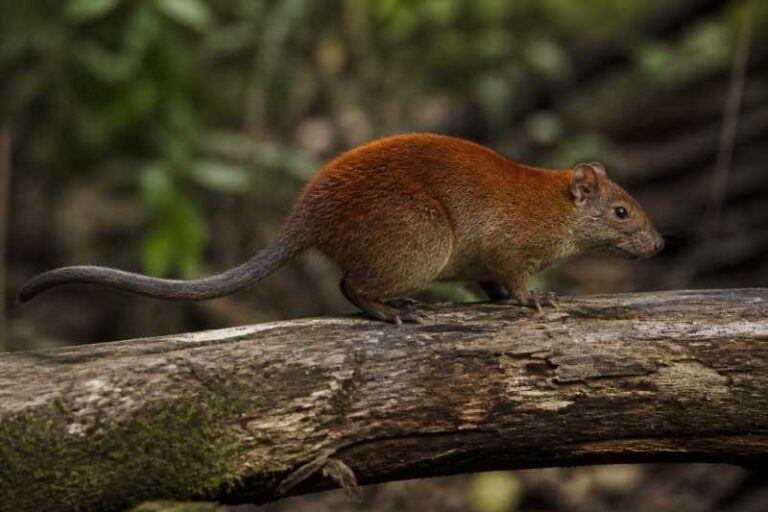
The Chestnut Tree Mouse is a small, agile rodent, typically measuring between 10 to 15 centimeters in body length, with a tail that often exceeds the length of its body, reaching up to 18 centimeters. This tail is a distinctive feature, prehensile and well-adapted for grasping branches, which facilitates its arboreal lifestyle.
The fur of the Chestnut Tree Mouse is predominantly chestnut brown, providing effective camouflage amidst the leaves and branches of its forest habitat. This coloration is complemented by a lighter underbelly, ranging from creamy white to pale gray, which helps in maintaining a low profile against predators from above. The ears are relatively large and rounded, a feature that enhances its auditory capabilities, crucial for detecting predators and communicating with conspecifics.
Another notable physical trait is the mouse’s elongated limbs and toes, which are equipped with sharp claws, aiding in climbing and navigating the treetops. The combination of these physical attributes makes the Chestnut Tree Mouse a superb tree-dweller, capable of agile movements through its arboreal environment.
Range and Habitat
The Chestnut Tree Mouse is primarily found in the tropical and subtropical forests of New Guinea and Northern Australia. Its range encompasses a variety of forest types, including lowland tropical rainforests, montane forests, and secondary growth forests. This adaptability to different forest environments highlights the species’ ecological versatility.
Within these habitats, the Chestnut Tree Mouse prefers areas with dense canopy cover and abundant tree branches, which offer both shelter and resources. The presence of a rich understory is also crucial, as it provides additional food sources and nesting materials. These regions are often characterized by high humidity and temperature, conditions under which the Chestnut Tree Mouse thrives.
Behavior and Diet
The Chestnut Tree Mouse is predominantly nocturnal, emerging from its nest at dusk to forage for food. Its diet is primarily herbivorous, consisting of fruits, seeds, and leaves, which are abundant in its forest habitat. This diet is occasionally supplemented with insects and other small invertebrates, providing essential proteins and nutrients.
Socially, the Chestnut Tree Mouse tends to be solitary, though it may be seen in small family groups. Communication is facilitated through a range of vocalizations and scent markings, which play a crucial role in territory establishment and mating rituals. During the breeding season, which is often aligned with periods of food abundance, males may become more vocal and aggressive as they compete for mates.
Nesting occurs in tree hollows or specially constructed nests made from leaves and twigs, providing protection against predators and harsh weather conditions. The species exhibits a high degree of parental care, with mothers investing significantly in the rearing of their young.
Identification Tips
When attempting to identify the Chestnut Tree Mouse in the wild, there are several key characteristics to look for:
- Tail: Look for its long, prehensile tail, which is often used for balance and grasping branches.
- Fur Color: The distinctive chestnut brown fur with a lighter underbelly is a hallmark of the species.
- Ears and Eyes: Large, rounded ears and prominent eyes are indicative of the Chestnut Tree Mouse, adapted for nocturnal activity.
- Movement: Observe its agile, nimble movements through the trees; this species is a proficient climber, often seen navigating branches with ease.
Conservation Status
The conservation status of the Chestnut Tree Mouse is currently listed as Least Concern by the IUCN Red List. However, this does not imply that the species faces no threats. Habitat destruction due to logging, agricultural expansion, and urban development poses significant risks to its population.
Additionally, climate change impacts, such as altered rainfall patterns and increased temperatures, threaten the delicate balance of its forest habitats. Conservation efforts are focused on habitat preservation and restoration, ensuring that the Chestnut Tree Mouse has access to the resources it needs to thrive.
Protective measures include the establishment of protected areas and reserves and promoting sustainable land-use practices that minimize habitat disruption. Public awareness and education initiatives are also vital in fostering community support for conservation efforts.
Frequently Asked Questions
Q1: What is the primary diet of the Chestnut Tree Mouse? A1: The Chestnut Tree Mouse primarily feeds on fruits, seeds, and leaves, with occasional consumption of insects and small invertebrates.
Q2: Where can the Chestnut Tree Mouse be found? A2: The species is found in the tropical and subtropical forests of New Guinea and Northern Australia, thriving in dense canopy environments.
Q3: How does the Chestnut Tree Mouse adapt to its arboreal lifestyle? A3: Adaptations include a prehensile tail for balance, elongated limbs for climbing, and sharp claws for gripping branches, all contributing to its agile navigation of treetops.
Q4: What are the main threats to the Chestnut Tree Mouse? A4: Habitat destruction, climate change, and human encroachment are the primary threats, prompting conservation efforts focused on habitat protection.
Q5: How can one identify a Chestnut Tree Mouse in the wild? A5: Look for its chestnut brown fur, long prehensile tail, large ears, and agile movements through trees, which are key identifying features.
Related posts