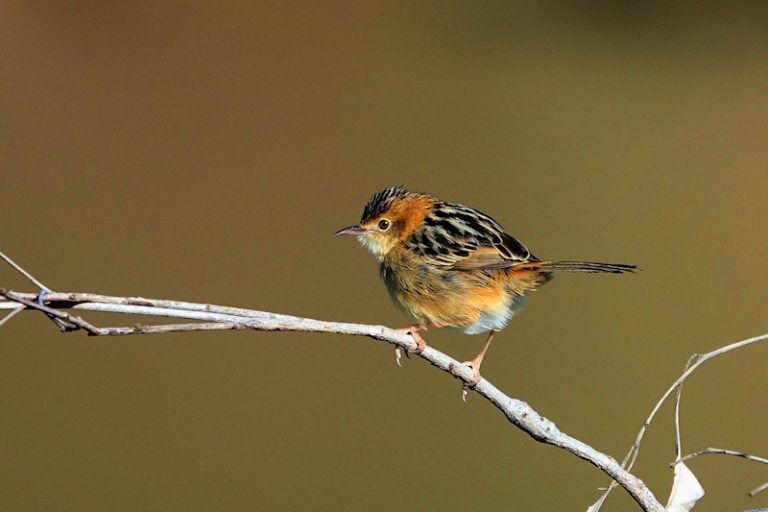
Bird photography demands precision, reach, and reliability—and few lenses meet these demands as comprehensively as the new Sony FE 400–800mm f/6.3–8 GM OSS. Introduced as part of Sony’s elite G line, this super-telephoto zoom lens combines exceptional optical quality with a versatile focal range, ideal for capturing birds in flight, perched in dense foliage, or at a distance across open water.
In this article, we explore why the 400–800mm G OSS is rapidly becoming a favorite among serious birders, list its key specifications, discuss its real-world performance, and share best practices for getting the most from this remarkable lens.
Key Specifications
- Focal Length: 400mm–800mm
- Maximum Aperture: f/6.3–8
- Minimum Aperture: f/36–45
- Lens Mount: Sony E-mount (Full-frame compatible)
- Format: Full-frame
- Optical Design: 27 elements in 19 groups (including XA and ED elements)
- Image Stabilization: Optical SteadyShot (OSS), with Mode 1, 2, and 3 for various shooting styles
- Minimum Focus Distance: 1.7-3.5 m(5.58-11.5 ft)
- Maximum Magnification: 0.23×
- Autofocus: Dual linear motors
- Filter Size: 105mm
- Weight: ~2475 g(87.4 oz.)
- Weather Sealing: Yes, dust and moisture resistant
- Tripod Collar: Rotating, detachable
- Teleconverter Compatibility: Supports 1.4x and 2.0x Sony teleconverters
Why It’s Exceptional for Bird Photography
1. Unmatched Focal Range
The 400–800mm range is a dream for birders. Whether you’re trying to photograph a raptor soaring high overhead or a shy warbler hidden in a thicket, this lens provides the reach and flexibility needed. Unlike primes, the zoom functionality allows you to reframe quickly without physically moving—a huge advantage in the field.
2. Outstanding Optical Quality
The inclusion of XA (extreme aspherical) and ED (extra-low dispersion) elements reduces aberrations and maintains sharpness edge-to-edge, even at 800mm. Colors are vibrant, contrast is rich, and fine feather detail is rendered with precision—hallmarks of Sony’s G glass.
3. Responsive Autofocus
Thanks to its dual linear motors, autofocus is fast, quiet, and highly accurate. This is critical for photographing birds in flight or during rapid movement. Eye AF for birds, supported on compatible Sony bodies like the A1 or A7R V, is lightning fast and reliable when paired with this lens.
4. Built-in Optical Stabilization
Optical SteadyShot (OSS) is a lifesaver at longer focal lengths. The three modes—standard (1), panning (2), and erratic movement (3)—give photographers tools to stabilize handheld shots, track moving subjects, or shoot from vehicles and boats.
Ideal Camera Bodies
This lens truly shines when paired with high-performance Sony mirrorless cameras:
- Sony α1 – The ultimate pairing with 30 fps burst, 50MP resolution, and real-time Eye AF for birds.
- Sony α7R V – Outstanding for those who want ultra-high resolution (61MP) for cropping or printing large.
- Sony α9 II / α9 III – Ideal for action photography with blackout-free shooting and rapid burst rates.
- Sony FX30 / α6700 (APS-C) – While not full-frame, these cameras crop to an effective 600–1200mm, excellent for small, distant birds.
Best Practices: How to Use the Lens Effectively
1. Support is Key
At ~3 kg, this lens isn’t light. Use a gimbal head or monopod for extended shoots. For handheld shots, keep your elbows tight to your body, use your left hand under the tripod collar, and let the lens rest partially on your palm for balance.
2. Use Stabilization Modes Wisely
- Mode 1 – General use.
- Mode 2 – Horizontal panning (e.g., birds flying across).
- Mode 3 – Erratic movement (e.g., birds darting unpredictably).
Match the mode to the subject behavior for best results.
3. Watch Your Shutter Speed
Even with OSS, a long lens needs higher shutter speeds to avoid blur. A good rule is to stay above 1/1000s, or faster for flight shots.
4. Optimal Apertures
The lens is sharp wide open, but stopping down slightly (f/6.3 to f/8) can increase depth of field, helpful for isolating the full bird in focus.
Filters and Accessories
Filters
The 400–800mm accepts 105mm filters, such as:
- ND filters – Useful for video or bright light conditions.
- Polarizers – Helpful in reducing glare from wet feathers or water.
Sony also offers a circular polarizer that rotates within the holder for easy adjustment.
Lens Hoods and Protection
The supplied carbon fiber composite hood is lightweight and deep, shielding from flare and impacts. Pair with a clear protective filter to safeguard the front element during rugged use.
Storage, Carry, and Protection Options
Given its size and cost, protecting and transporting the lens is vital:
Lens Case
Sony provides a padded hard-shell lens case with shoulder strap. While durable, it’s bulky. Many photographers prefer aftermarket padded backpacks.
Recommended Bags
- Lowepro Lens Trekker 600 AW III – Ideal for carrying large telephotos.
- Think Tank Photo Glass Limo – Slim profile, holds lens with body attached.
- Shimoda Action X50 – Versatile for hiking or birding excursions.
Add desiccant packs to your storage bag in humid areas to prevent fungus.
Lens Coat / Cover
A neoprene lens cover (e.g., LensCoat) provides extra shock resistance, camouflages the lens for skittish birds, and protects against scratches and dust.
Positives and Negatives
Pros:
- Exceptional reach with top-tier optical clarity
- Fast, accurate autofocus with native Sony bodies
- Effective image stabilization with multiple modes
- Lightweight relative to competing primes (especially 600mm/800mm primes)
- Versatile zoom range eliminates need for lens changes in the field
- Teleconverter compatible for even more reach
Cons:
- Expensive (~US$3,300–3,800 retail)
- No Drop-in filters —standard screw-on front filters (could be pro)
- Requires a dedicated bag or harness for field use
- Maximum aperture narrows to f/8 at 800mm—slightly limiting in low light
- Heavy for handheld use over long periods
Final Thoughts
The Sony FE 400-800mm f/6.3-8 G OSS is a monumental addition to the G lineup and a transformative tool for bird photographers. It combines reach, responsiveness, and clarity in a way few zooms do—offering serious wildlife photographers flexibility without compromise.
Whether you’re capturing a Wedge-tailed Eagle in soaring flight or a Fairy-wren deep in the scrub, this lens gives you the tools to bring avian beauty to life.
Related posts