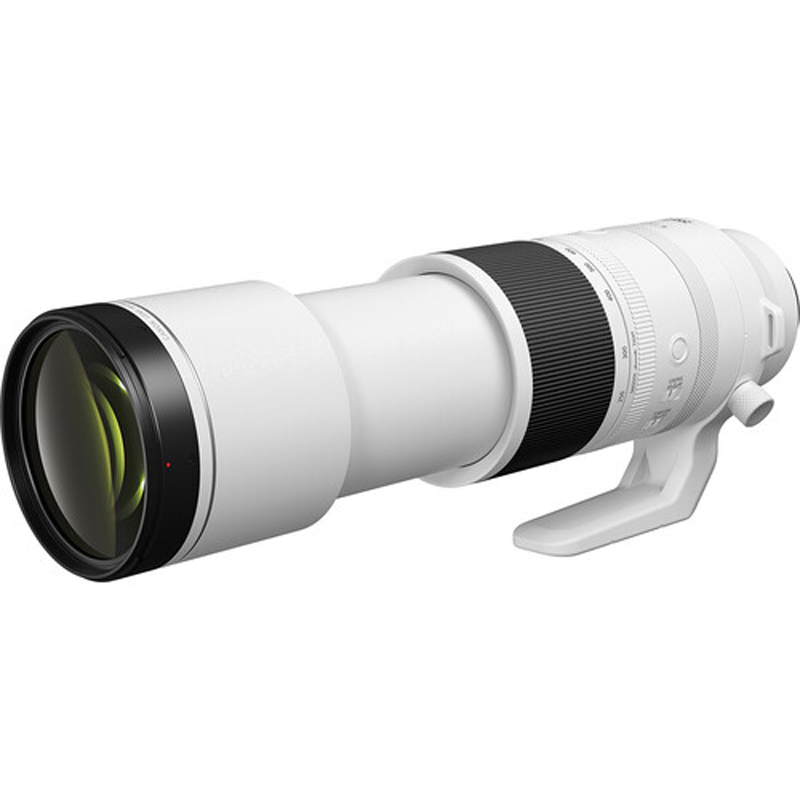
Bird photography is one of the most demanding genres in wildlife imaging, requiring exceptional reach, sharpness, speed, and portability. Canon’s RF 200-800mm f/6.3-9 IS USM lens is designed with birders and wildlife photographers in mind, offering an unmatched zoom range, native RF mount compatibility, and surprisingly lightweight handling. In this article, we’ll take a deep dive into why this lens is quickly becoming a favorite among bird photographers, outline its technical specifications, explore its advantages and limitations, and discuss best practices for usage and gear protection.
Key Specifications of the Canon RF 200-800mm f/6.3-9 IS USM
- Focal Length: 200–800mm
- Maximum Aperture: f/6.3–9
- Minimum Aperture: f/54 at 800mm
- Lens Mount: Canon RF
- Format Compatibility: Full-frame
- Image Stabilization: Up to 5.5 stops of correction
- Autofocus Motor: Nano USM (Ultra Sonic Motor)
- Minimum Focusing Distance: 0.8 m (at 200mm) to 3.3 m (at 800mm)
- Maximum Magnification: 0.25x
- Diaphragm Blades: 9 (circular aperture)
- Filter Size: 95mm
- Weight: Approximately 2,050 grams (4.5 lbs)
- Length: 314.1 mm
- Weather Sealing: Yes (dust and moisture-resistant)
Why It’s Excellent for Bird Photography
The Canon RF 200-800mm covers an incredible range, going from moderate telephoto to ultra-telephoto reach. This makes it perfect for photographing birds at varying distances—whether perched in nearby shrubs or flying high overhead. Few lenses on the market provide such flexibility without requiring a teleconverter or multiple lens swaps.
Reach and Framing Flexibility
The 800mm maximum focal length gives bird photographers the advantage of tight framing on small subjects without physical proximity, which can disturb shy species. Whether capturing a fairywren in dense scrub or a raptor in flight, the zoom range accommodates it all.
Native RF Mount Compatibility
Being a native RF lens, it integrates perfectly with Canon’s mirrorless R-series bodies, ensuring optimal autofocus speed and accuracy. Eye-detection AF and subject tracking perform reliably, even at the far end of the zoom.
Excellent Image Stabilization
Up to 5.5 stops of optical stabilization makes it possible to shoot handheld at long focal lengths—an essential feature for tracking birds in motion or shooting in low light without a tripod.
Positives
- Unmatched Zoom Range: Few lenses offer a native 800mm reach in a single package with zoom functionality.
- Lightweight for the Class: At just over 2kg, it is surprisingly manageable given the reach. Ideal for handheld shooting or lightweight monopod use.
- Sharpness: Excellent optical performance throughout the zoom range, particularly sharp between 300–700mm.
- Fast Autofocus: The Nano USM motor ensures quiet, responsive, and accurate focus—essential for capturing fast-moving birds.
- Close Focusing: The ability to focus as close as 0.8 m allows for capturing detailed portraits of larger birds or even small mammals.
Negatives
- Narrow Aperture: With a maximum aperture of f/9 at 800mm, low-light performance is somewhat limited. This may necessitate higher ISOs or slower shutter speeds at dawn or dusk.
- No Internal Zoom: The extending barrel can potentially suck in dust or moisture in harsh conditions, though the lens is weather-sealed.
- No Tripod Collar Included: Surprisingly, a rotating tripod collar is not standard. Given its size, a collar would aid balance and tripod use.
- Large Filter Size: 95mm filters can be expensive and are less commonly used than 77mm or 82mm.
Best Practices for Using the RF 200-800mm
Stabilization and Support
While the in-lens stabilization is robust, long sessions or windy conditions call for additional support. A monopod or a gimbal head on a tripod can help reduce fatigue and increase sharpness, especially when shooting at 800mm.
Shutter Speed Considerations
At 800mm, motion blur is amplified. A good rule is to shoot at shutter speeds of at least 1/1600s or faster for birds in flight. For static birds, with stabilization, you can get away with slower speeds—sometimes down to 1/250s if technique is solid.
Aperture and ISO Balance
Due to the narrow aperture, consider using Auto ISO to maintain shutter speed. Canon’s modern sensors handle ISO 3200 and even 6400 quite well, especially when using denoising software in post.
Tracking Flight
When photographing birds in flight, use Servo AF with tracking enabled. Pair the lens with the Canon EOS R5, R6 Mark II, or R7 for optimal AF tracking performance.
Recommended Camera Bodies
- Canon EOS R5: Ideal for professionals, with 45MP resolution and class-leading autofocus.
- Canon EOS R6 Mark II: Excellent for action with fast burst rates and reliable tracking.
- Canon EOS R7: A crop-sensor body that extends the lens’s effective reach to 1280mm, ideal for distant birds.
- Canon EOS R8: A lighter, more affordable option with solid autofocus and good low-light handling.
Compatible Filters
The lens supports standard 95mm screw-in filters. Circular polarizers and neutral density filters are useful for controlling glare on water or managing exposure in bright daylight. B+W, Hoya, and Breakthrough Photography offer quality filters in this size.
Protection and Transport Solutions
Given its length and weight, protecting the RF 200-800mm is essential when in the field.
Lens Coat and Rain Protection
- A neoprene LensCoat cover can protect against scratches and minor knocks.
- Use a rain sleeve (e.g., ThinkTank, OP/TECH) in wet environments, especially if shooting without a shelter.
Carry Cases and Bags
- Lowepro Lens Trekker 600 AW III: Accommodates the lens with body attached and offers excellent weather protection.
- Think Tank Glass Limo: More compact and lightweight for travel.
- Gura Gear Kiboko 2.0 30L: Fits the lens alongside bodies and accessories and is airline carry-on compatible.
Conclusion
The Canon RF 200-800mm f/6.3-9 IS USM is a breakthrough in the bird photography world. It fills a unique niche for enthusiasts and semi-professionals who need extreme reach, optical quality, and flexibility in a single lens—without the prohibitive cost of supertelephoto primes. While its narrow aperture requires mindful shooting, the lens’s strengths far outweigh its compromises.
Whether you’re tracking swallows at speed or photographing distant eagles from a bluff, the 200-800mm delivers clarity, range, and reliability in the field. Pair it with a modern RF-mount Canon mirrorless body, and you have a powerful bird photography setup capable of professional results.
Related posts