The Nikon NIKKOR Z 24-200mm VR: A Comprehensive Review for Bird Enthusiasts
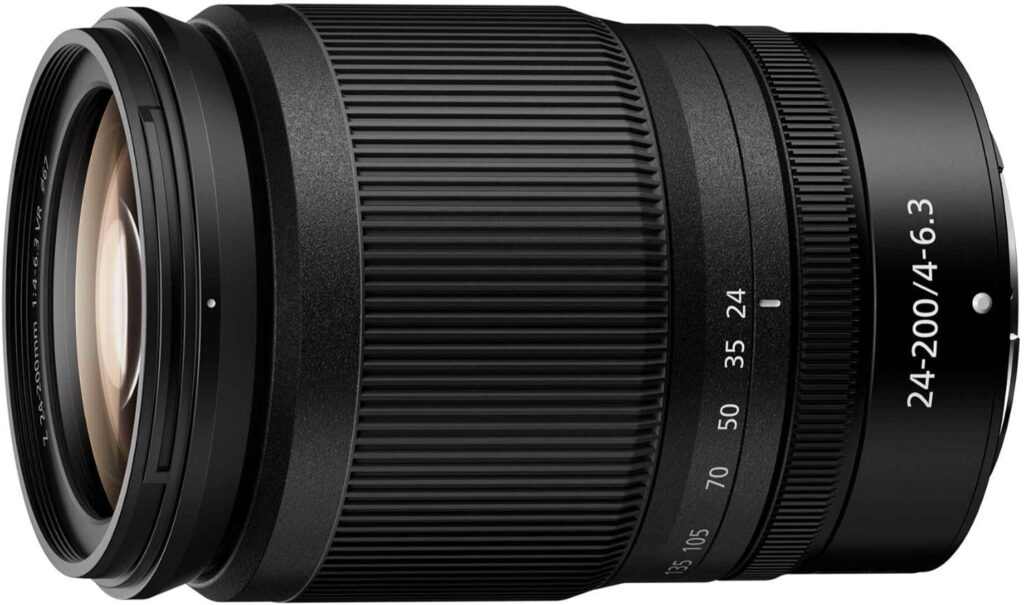
In the world of bird photography, where capturing the intricate details of avian life requires precision and versatility, the choice of lens can make all the difference. Enter the Nikon NIKKOR Z 24-200mm f/4-6.3 VR, a versatile zoom lens designed for the Nikon Z-mount mirrorless cameras. While this lens is marketed as an all-purpose travel lens, it has garnered attention from bird photographers for its range and portability. In this article, we delve into the features that make the NIKKOR Z 24-200mm VR appealing to bird enthusiasts, while also considering its limitations.
Key Features and Positives
1. Versatile Focal Range
One of the standout features of the NIKKOR Z 24-200mm VR is its focal range. Covering from 24mm to 200mm, this lens provides bird photographers with the flexibility to capture both wide-angle shots of bird habitats and detailed close-ups of birds in action. The ability to seamlessly transition between these perspectives without changing lenses is a significant advantage when out in the field.
2. Portability and Build Quality
For bird enthusiasts who often venture into remote areas, the portability of their gear is crucial. The NIKKOR Z 24-200mm VR is compact and lightweight, weighing approximately 570 grams (1.26 lbs). Its retractable design further enhances its portability, allowing photographers to pack it easily without worrying about additional bulk. The lens also boasts a weather-sealed construction, providing some protection against dust and moisture, which is particularly beneficial when photographing in unpredictable outdoor conditions.
3. Vibration Reduction (VR) System
Bird photography often involves shooting at long focal lengths, where camera shake can become a significant issue. The built-in Vibration Reduction system in this lens offers up to 4.5 stops of compensation, helping to produce sharp images even at slower shutter speeds. This feature is invaluable when capturing birds in low light or when using handheld shooting techniques.
4. Autofocus Performance
The lens is equipped with a stepping motor (STM) that provides smooth and quiet autofocus. This is particularly important in bird photography, where silent operation can prevent disturbing the subjects. The autofocus is generally quick and accurate, making it easier to track fast-moving birds.
5. Optical Performance
The NIKKOR Z 24-200mm VR features an optical design with 19 elements in 15 groups, including two ED (Extra-low Dispersion) elements and two aspherical elements. These contribute to reducing chromatic aberrations and distortions, resulting in images with good contrast and sharpness across the frame.
Limitations and Considerations
1. Maximum Aperture
A notable limitation for bird photographers is the lens’s maximum aperture, which ranges from f/4 at 24mm to f/6.3 at 200mm. While this is typical for a lens of this range, it can be restrictive in low-light conditions, such as early morning or late evening, when birds are most active. Photographers may need to increase ISO settings, potentially introducing noise into images.
2. Telephoto Reach
Although the 200mm focal length is adequate for larger birds or those in closer proximity, it may fall short for small, distant subjects. Bird photographers who regularly shoot at greater distances might find this lens lacking the reach necessary for capturing detailed shots of small birds or those high up in trees.
3. Bokeh Quality
While the lens can produce a pleasing bokeh, its maximum aperture limits the depth of field control, especially when shooting at longer focal lengths. Achieving a creamy background blur can be challenging, which might be a downside for those who prioritize subject isolation in their bird photography.
4. Manual Focus Ring
The manual focus ring, though functional, is not as responsive as those found on more premium lenses. For photographers who prefer manual focusing for precise control, this could be a slight drawback.
Conclusion
The Nikon NIKKOR Z 24-200mm f/4-6.3 VR presents a compelling option for bird enthusiasts who value versatility and portability. Its wide focal range, effective VR system, and robust build make it suitable for a variety of shooting scenarios. However, its limitations in aperture and telephoto reach mean it may not replace more specialized telephoto lenses for those who require the highest level of performance in bird photography.
Ultimately, the NIKKOR Z 24-200mm VR is best suited for beginners or hobbyists who seek an all-in-one solution for their bird photography needs, especially when travel and convenience are priorities. More experienced photographers might consider it as a secondary lens for situations where carrying multiple lenses is impractical. As with any lens, understanding its strengths and weaknesses will help photographers make the most of its capabilities in capturing the beauty of avian life.
Related posts