The Yellow-billed Egret: A Glimpse into the Life of a Remarkable Avian Species
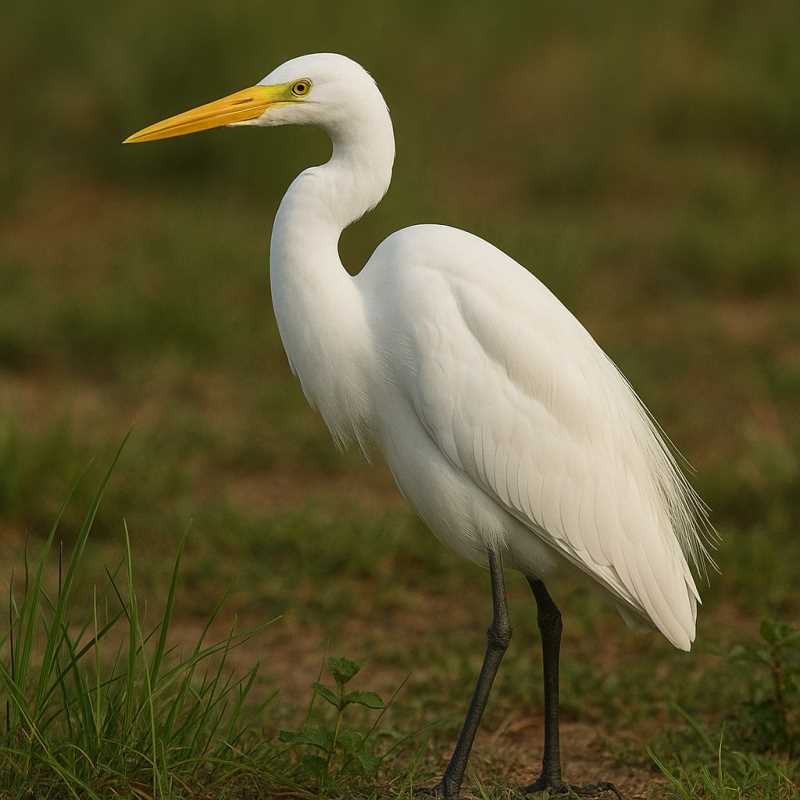
The Yellow-billed Egret, scientifically known as Ardea intermedia, is a captivating bird species that thrives in wetland ecosystems across parts of Africa, Asia, and Australia. This elegant bird is often recognized by its striking yellow bill, which contrasts beautifully against its pristine white plumage. As a member of the heron family, the Yellow-billed Egret shares several characteristics with its relatives, yet it distinguishes itself through unique behaviors and adaptations that make it a fascinating subject of study for ornithologists and bird enthusiasts alike.
Habitat and Distribution
Yellow-billed Egrets are typically found in a variety of wetland habitats, including marshes, swamps, rivers, and lakes. They prefer regions where water is in abundance, as these environments support their primary diet of fish, amphibians, and small invertebrates. While these egrets are largely sedentary, they may undertake short migratory movements in response to seasonal changes in water availability and food resources.
The distribution of Yellow-billed Egrets spans several continents. In Africa, they are predominantly seen in sub-Saharan regions, thriving in the rich wetland ecosystems. In Asia, their presence is noted in countries such as India, Bangladesh, and Thailand. The species is also well represented in Australia, where it can be found in coastal and inland wetland areas.
Physical Characteristics
The Yellow-billed Egret is a medium-sized bird, measuring approximately 65 to 72 centimeters in length with a wingspan extending up to 115 centimeters. Its most distinguishing feature is its bright yellow bill, which is particularly prominent during the breeding season. The bird’s plumage is entirely white throughout the year, providing excellent camouflage against the bright sky and water surfaces. During the breeding season, adults may display a subtle ornamental plume on their back, adding to their visual appeal.
Behavior and Diet
This egret species exhibits a range of interesting behaviors, particularly in its foraging techniques. Yellow-billed Egrets are opportunistic feeders, employing various methods to catch their prey. They are often seen standing motionless in shallow water, patiently waiting for the perfect moment to strike with lightning speed. Alternatively, they may use a more active approach, walking slowly through the water to disturb and catch prey.
Their diet is diverse, consisting mainly of small fish, frogs, insects, and occasionally small mammals. The versatility in their feeding habits allows them to adapt to different environmental conditions and food availability, ensuring their survival across diverse habitats.
Breeding and Reproduction
Yellow-billed Egrets breed during the wet season when food is abundant, and environmental conditions are favorable for raising young. They are colonial nesters, often forming large breeding colonies with other heron and egret species. These colonies are typically situated in dense vegetation near water bodies, providing safety and access to food.
The mating rituals of Yellow-billed Egrets are a spectacle to behold. Males perform elaborate displays, including bowing and bill snapping, to attract females. Once a pair forms, they build a nest made of sticks and lined with softer materials. The female lays between two to five eggs, which both parents incubate over a period of about 24 to 27 days. After hatching, the chicks are dependent on their parents for food and protection until they fledge at around six to seven weeks of age.
Conservation Status
Currently, the Yellow-billed Egret is classified as a species of "Least Concern" by the International Union for Conservation of Nature (IUCN), indicating that it is not at immediate risk of extinction. However, like many wetland-dependent species, it faces threats from habitat loss due to agricultural expansion, pollution, and climate change. Conservation efforts aimed at preserving wetland habitats are crucial for the continued survival of this and other waterbird species.
In conclusion, the Yellow-billed Egret is a remarkable bird that showcases the beauty and diversity of wetland ecosystems. Its adaptability, striking appearance, and intriguing behaviors make it a cherished subject for bird watchers and conservationists alike. To ensure the continued existence of this species, it is imperative that we maintain and protect the wetland habitats they depend on.
Related posts