The Enigmatic White-winged Cotinga: A Jewel of the Brazilian Forests
The White-winged Cotinga, scientifically known as Xipholena atropurpurea, is a striking bird that captivates ornithologists and birdwatchers alike with its vibrant plumage and elusive nature. Native to the Atlantic Forests of Brazil, this species is a remarkable example of the region’s rich biodiversity and ecological significance. In this article, we delve into the unique characteristics, habitat, behavior, and conservation status of this fascinating bird, highlighting the importance of preserving its natural environment.
Physical Characteristics
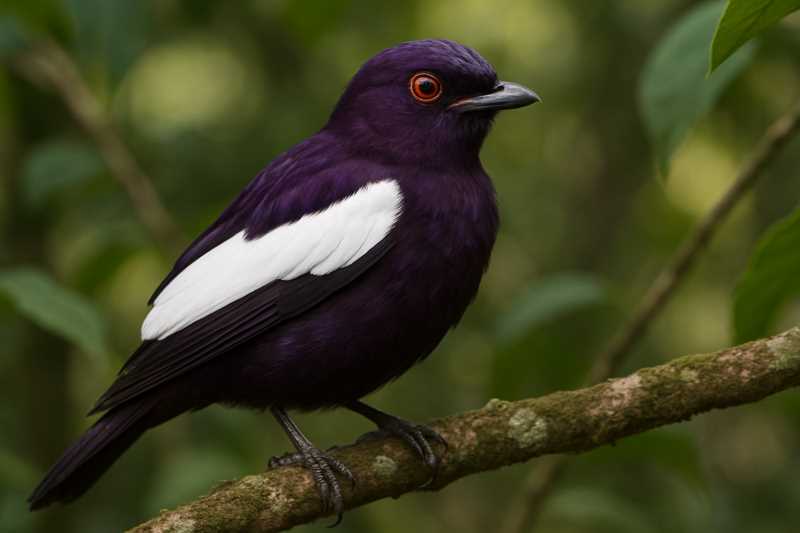
The White-winged Cotinga is a medium-sized passerine bird, with males and females exhibiting a marked sexual dimorphism. Males are particularly eye-catching, with their glossy, deep purple plumage contrasted by bright white wing patches. This striking coloration is not just for show; it plays a crucial role in courtship displays and territorial behavior. Females, on the other hand, have a more subdued appearance, with brownish-grey plumage that aids in camouflage, particularly when nesting.
Measuring about 19 to 21 centimeters in length, the White-winged Cotinga has a robust body and a slightly curved beak, adapted for its frugivorous diet. The species’ wings are relatively broad, allowing for quick and agile flight through the dense forest canopy, where it spends much of its time.
Habitat and Distribution
The White-winged Cotinga is endemic to the Atlantic Forest, a biodiversity hotspot that stretches along the eastern coast of Brazil. This forest is characterized by its high levels of species endemism and diversity, yet it is also one of the most threatened tropical forests in the world due to deforestation, urbanization, and agricultural expansion.
This cotinga species favors lowland and montane rainforests, typically residing at elevations ranging from sea level to about 1,200 meters. It prefers areas with dense foliage and abundant fruiting trees, which provide both food and cover. Despite its preference for undisturbed primary forests, the White-winged Cotinga has occasionally been observed in secondary growth areas, indicating some level of adaptability.
Behavior and Diet
White-winged Cotingas are primarily frugivorous, feeding on a variety of fruits and berries that are abundant in their forest habitats. They play a critical role in seed dispersal, contributing to the health and regeneration of their ecosystem. Occasionally, they may also consume insects and other small invertebrates, supplementing their diet with protein-rich resources.
These birds are known for their solitary and elusive nature, often remaining high in the canopy, which makes them challenging to observe. However, during the breeding season, males perform elaborate courtship displays to attract females. These displays involve a combination of visual signals, such as wing and tail flicking, and vocalizations, which serve to establish territory and entice potential mates.
Conservation Status
The White-winged Cotinga is currently listed as Near Threatened on the IUCN Red List of Threatened Species. The primary threat to its survival is habitat loss, driven by deforestation and fragmentation of the Atlantic Forest. This habitat destruction not only reduces the available living space for these birds but also disrupts their food sources and breeding sites.
Conservation efforts are crucial to ensure the survival of the White-winged Cotinga. Protecting and restoring the Atlantic Forest is a priority, with several initiatives focused on reforestation, creating protected areas, and promoting sustainable land-use practices. Educating local communities about the ecological importance of these birds and their habitats can also foster support for conservation measures.
Conclusion
The White-winged Cotinga stands as a symbol of the beauty and fragility of the Atlantic Forest. Its vibrant appearance and ecological role underscore the interconnectedness of species and ecosystems. By understanding and addressing the challenges faced by this species, we can take meaningful steps toward preserving the biodiversity of one of the world’s most vital and threatened ecosystems. Protecting the White-winged Cotinga is not just about saving a single species; it is about maintaining the intricate web of life that sustains our planet.
The future of the White-winged Cotinga, like that of many species in the Atlantic Forest, hinges on our ability to balance human activities with environmental stewardship. By prioritizing conservation and sustainable development, we can ensure that these magnificent birds continue to grace the forests of Brazil with their presence for generations to come.
Related posts