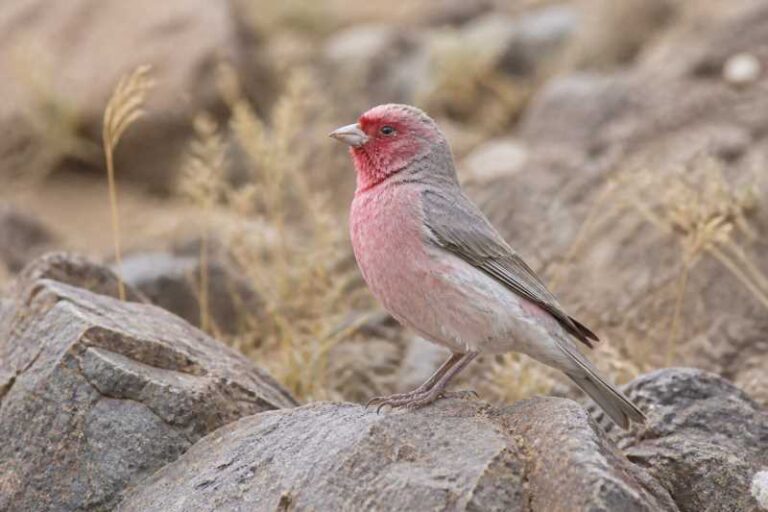
The White-tipped Dove: A Closer Look at Leptotila verreauxi
The White-tipped Dove, scientifically known as Leptotila verreauxi, is a bird species belonging to the Columbidae family. This family is commonly referred to as the pigeon and dove family, encompassing a wide range of avian species known for their robust bodies, short necks, and slender bills. The White-tipped Dove, in particular, is celebrated not only for its subtle elegance but also for its adaptability across various environments. This article delves into the characteristics, habitat, behavior, and conservation status of this remarkable bird.
Physical Characteristics
The White-tipped Dove is a medium-sized bird, measuring approximately 28 to 30 centimeters in length with a wingspan ranging from 45 to 48 centimeters. It typically weighs between 140 and 180 grams. The bird’s plumage is predominantly pale brown to grayish, with a more vibrant pinkish hue on the chest and belly. Its name is derived from the distinctive white tips on the outer tail feathers, which become particularly prominent during flight. The eyes of the White-tipped Dove are a striking deep red, providing a vivid contrast against its subtle plumage.
One of the notable features of the White-tipped Dove is its soft, cooing call, which is often described as a series of deep, mellow notes. This call is not only a means of communication but also plays a crucial role in territorial defense and mating rituals.
Habitat and Distribution
The White-tipped Dove is widely distributed across the Americas, from the southern United States through Central America and into South America, reaching as far south as Argentina. It thrives in a variety of habitats, including forests, woodlands, scrublands, and even urban areas. This adaptability is a testament to the bird’s resilience and its ability to coexist with human-altered landscapes.
In forested areas, the White-tipped Dove is often found in the understory, where it forages for seeds, fruits, and small invertebrates. Its diet is varied and opportunistic, allowing it to make the most of available resources. In urban environments, the dove is frequently observed in parks and gardens, where it benefits from the abundance of food and nesting sites.
Behavior and Reproduction
White-tipped Doves are generally solitary or found in pairs, especially during the breeding season. They are ground foragers, walking steadily as they search for food. Their flight is fast and direct, with occasional sharp wing flaps that create a distinctive whirring sound.
Breeding season varies depending on geographical location but generally occurs during the warmer months when food is plentiful. The male White-tipped Dove performs a courtship display that involves bowing and cooing to attract a mate. Once a pair bond is formed, they work together to build a nest, often a flimsy platform of twigs and leaves situated in a low shrub or tree.
The female typically lays two white eggs, which are incubated for about 14 days. Both parents share in the incubation duties and later feed the hatchlings with ‘pigeon milk,’ a nutrient-rich secretion produced in their crop. The young doves fledge after approximately two weeks but may remain dependent on their parents for food for a short period afterward.
Conservation Status
The White-tipped Dove is currently classified as a species of Least Concern by the International Union for Conservation of Nature (IUCN). This status reflects its wide distribution and stable population numbers. However, like many wildlife species, it faces threats from habitat destruction, particularly in regions undergoing rapid deforestation and urbanization.
Conservation efforts for the White-tipped Dove focus primarily on habitat preservation and sustainable land management practices. Ensuring the protection of forested areas and promoting biodiversity-friendly urban planning are key strategies in maintaining healthy populations of this and other bird species.
Conclusion
The White-tipped Dove is a fascinating bird that exemplifies the adaptability and resilience of the Columbidae family. Its widespread presence across diverse habitats, coupled with its distinctive appearance and behaviors, makes it a subject of interest for both ornithologists and bird enthusiasts. By continuing to monitor its populations and safeguard its habitats, we can ensure that the White-tipped Dove remains a common and cherished sight across the Americas for generations to come.
Related posts