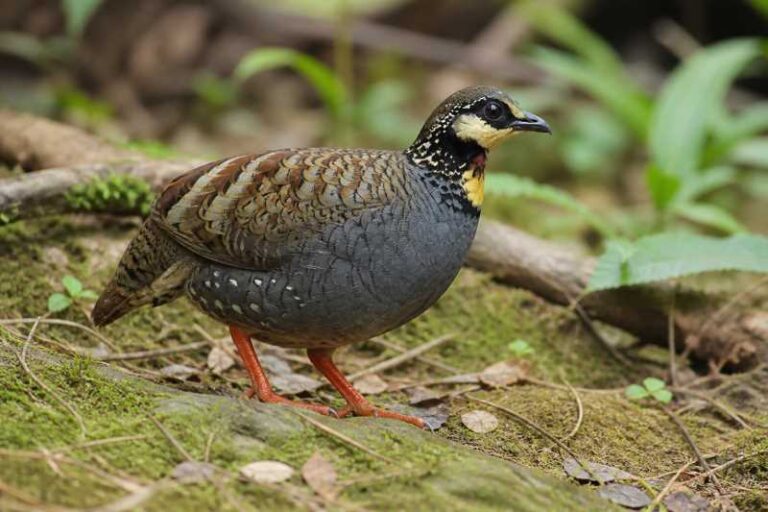
The White-rumped Monjita: A Comprehensive Overview
The White-rumped Monjita (Xolmis velatus) is a striking bird species known for its distinctive plumage and agile flight. Part of the Tyrannidae family, this bird is native to South America, where it inhabits a range of environments from grasslands to scrubby areas. Despite its relative obscurity in popular birdwatching circles compared to other South American birds, the White-rumped Monjita offers unique insights into avian adaptation and ecology.
Physical Characteristics
The White-rumped Monjita is easily identifiable by its striking black and white coloration. As its name suggests, this bird features a prominent white rump and black tail, a stark contrast that serves as a key identification marker in the field. The rest of its body is predominantly white, with subtle grey variations on the wings and back.
Measuring approximately 18 centimeters in length, the White-rumped Monjita is a medium-sized bird, with a wingspan that allows for agile and swift flight. Its beak is short and slightly hooked, adapted for its insectivorous diet.
Habitat and Distribution
The White-rumped Monjita is predominantly found across a broad stretch of South America. Its range extends through countries such as Brazil, Bolivia, Paraguay, Uruguay, and Argentina. This bird favors open habitats, including savannas, grasslands, and agricultural fields, where it can be observed perching on low shrubs or fences.
These environments provide abundant opportunities for foraging, as the White-rumped Monjita primarily feeds on insects. Its preference for open areas also means it is often seen in regions undergoing agricultural expansion, where it can adapt to modified landscapes.
Behavioral Traits
One of the most fascinating aspects of the White-rumped Monjita is its behavior. It is known for its territorial nature, often seen alone or in pairs. This bird is highly vigilant, frequently perching on elevated spots to scout for potential prey or threats.
Its feeding habits are primarily insectivorous, focusing on a diet of grasshoppers, beetles, and other small insects. The White-rumped Monjita employs a sit-and-wait strategy, whereby it watches for movement before launching quick, precise flights to capture its prey.
Reproduction and Lifespan
The breeding season of the White-rumped Monjita varies depending on its geographical location but generally occurs in the warmer months. The species is monogamous, with pairs often returning to the same nesting sites annually.
Nesting typically takes place in low shrubs or trees, where the birds build cup-shaped nests. The female lays a clutch of two to three eggs, which she incubates while the male provides food and protection. The incubation period lasts approximately two weeks, followed by a fledgling period of about 15 days.
Despite these established patterns, much remains to be studied about the reproductive habits and lifespan of the White-rumped Monjita, as detailed longitudinal studies are limited.
Conservation Status
Currently, the White-rumped Monjita is listed as Least Concern by the International Union for Conservation of Nature (IUCN). This status is due in part to its wide distribution and adaptability to various habitats, including altered landscapes.
However, ongoing deforestation and habitat conversion for agriculture pose potential threats to its populations. Conservation efforts focus on habitat preservation and monitoring population trends to ensure this species remains out of danger.
Importance in Ecosystems
The White-rumped Monjita plays a crucial role in its ecosystem as an insect predator. By controlling insect populations, it contributes to maintaining ecological balance. Its presence is also an indicator of healthy grassland and savanna ecosystems, making it a valuable species for environmental monitoring.
Conclusion
The White-rumped Monjita is a fascinating bird that embodies the adaptability and resilience of avian species in the face of environmental changes. Its striking appearance and ecological role make it a species worthy of attention from ornithologists and bird enthusiasts alike.
As we continue to study and appreciate the White-rumped Monjita, it serves as a reminder of the intricate connections within our ecosystems and the importance of preserving the natural habitats that support such remarkable wildlife.
References
1. BirdLife International. (2021). *Species factsheet: Xolmis velatus*. Retrieved from [BirdLife](http://www.birdlife.org)
2. Ridgely, R. S., & Tudor, G. (1994). *The Birds of South America: Vol. II: The Suboscine Passerines*. University of Texas Press.
3. del Hoyo, J., Elliott, A., & Christie, D. A. (Eds.). (2004). *Handbook of the Birds of the World*. Lynx Edicions.
Related posts