The White-crowned Shama: A Jewel of the Borneo Rainforest
The White-crowned Shama (Copsychus stricklandii) is a captivating bird species that enchants ornithologists and bird enthusiasts alike with its striking appearance and melodious song. Endemic to the lush rainforests of Borneo, this bird has garnered attention not only for its beauty but also for its ecological significance and the conservation challenges it faces.
Description and Classification
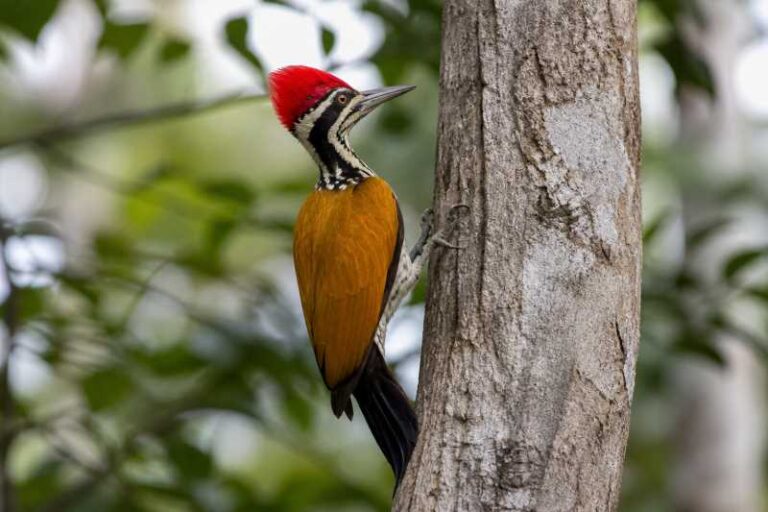
The White-crowned Shama is a medium-sized passerine bird belonging to the family Muscicapidae. It is closely related to the more widely known White-rumped Shama (Copsychus malabaricus), which shares a similar habitat. The most distinguishing feature of the White-crowned Shama is, as its name suggests, the white feathers adorning its crown. This white crown contrasts beautifully with its glossy black plumage and rufous underparts, making it a striking presence in its natural habitat.
Males and females are similar in appearance, although males tend to be slightly larger and possess longer tail feathers. The species is renowned for its vocal capabilities, producing a rich array of melodious notes and complex songs that are often used to establish territories and attract mates.
Habitat and Distribution
Copsychus stricklandii is predominantly found in the lowland and montane forests of Borneo, an island known for its rich biodiversity. The bird inhabits dense undergrowth in primary and secondary forests, often near watercourses. It is also occasionally spotted in plantations and other modified habitats, demonstrating a degree of adaptability.
Despite being relatively widespread across Borneo, the White-crowned Shama is subject to habitat fragmentation due to deforestation and land conversion for agriculture and palm oil plantations. This loss of habitat poses a significant threat to the species, as it relies heavily on forested environments for foraging and nesting.
Behavior and Ecology
The White-crowned Shama is primarily insectivorous, feeding on a diet of insects and other small invertebrates. It forages by hopping on the forest floor and gleaning prey from leaf litter or low vegetation. Occasionally, it supplements its diet with fruit, particularly during the breeding season when energy demands are higher.
These birds are known for their territorial nature, often engaging in elaborate displays to ward off intruders. Males are particularly vocal, using their songs not only to defend territory but also to court females. Breeding typically occurs during the dry season, with both parents participating in the construction of a cup-shaped nest. The nest is usually well-concealed in dense foliage, providing protection from predators.
Conservation Status
The International Union for Conservation of Nature (IUCN) currently lists the White-crowned Shama as a species of Least Concern. However, this status does not imply that the species is free from threats. Habitat loss remains the most pressing concern, as large swaths of Borneo’s forests continue to be cleared for agricultural purposes.
Conservation efforts are crucial to ensure the survival of this species. Protecting existing forest habitats and restoring degraded areas are vital steps that need to be taken. Additionally, raising awareness about the ecological importance of the White-crowned Shama and its role in the ecosystem can help garner support for conservation initiatives.
The Cultural Significance of the White-crowned Shama
Beyond its ecological role, the White-crowned Shama holds cultural significance for the indigenous communities of Borneo. In some cultures, the bird is considered a symbol of beauty and harmony, often featured in folklore and traditional songs. Its melodious calls are said to bring good fortune, making it a cherished presence in local traditions.
Conclusion
The White-crowned Shama is a remarkable species that embodies the rich biodiversity of Borneo. Its enchanting song and striking appearance make it a true gem of the rainforest. However, to ensure its continued existence, concerted efforts are needed to address the challenges of habitat loss and to promote sustainable practices in the region.
By fostering a deeper appreciation for the White-crowned Shama and its habitat, we can contribute to the preservation of not only this species but also the broader ecological landscape of Borneo. This bird, with its resonant calls and vibrant presence, serves as a reminder of the intricate web of life that thrives in the world’s rainforests.
Related posts