White-bibbed Fruit Dove: A Jewel of Avian Diversity
The lush canopies of Southeast Asia and the islands of the Pacific are home to a multitude of avian species, yet few are as captivating as the White-bibbed Fruit Dove (Ptilinopus rivoli). This bird, a member of the Columbidae family, is a testament to nature’s artistry and ecological significance. Known for their vibrant plumage and ecological role, White-bibbed Fruit Doves are an integral part of their ecosystems, contributing to seed dispersal and forest health.
Description and Habitat
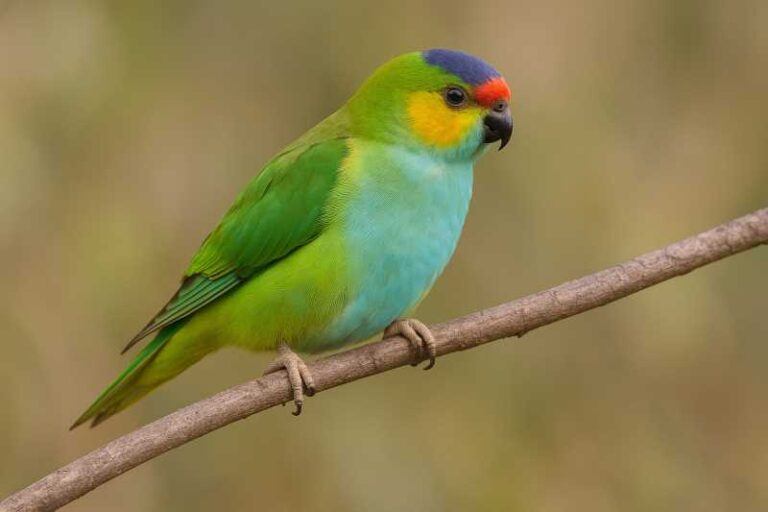
The White-bibbed Fruit Dove is a medium-sized bird, measuring approximately 27 cm in length. Its most striking feature is its vivid plumage, which serves both aesthetic and ecological purposes. The bird’s body is predominantly green, providing an excellent camouflage against the lush foliage of its habitat. The bib, a defining characteristic, is pure white, contrasting sharply with its overall green coloration, while its crown is tinged with a soft lavender.
These doves are native to regions ranging from the Philippines and Indonesia to the Solomon Islands. They thrive in primary and secondary forests, where fruiting trees abound. Their preference for dense forest habitats makes them an indicator species for the health of these ecosystems.
Behavior and Diet
As their name suggests, White-bibbed Fruit Doves are frugivorous, primarily feeding on a diverse array of fruits. This diet plays a crucial role in their ecosystem, as they help in seed dispersal. By consuming fruits and excreting the seeds at various locations, these doves facilitate plant propagation, contributing to forest regeneration.
Their feeding activity is often a solitary endeavor, although they can sometimes be seen in small groups. White-bibbed Fruit Doves are known for their calm demeanor and often remain perched quietly, blending with the foliage until they take flight, revealing their brilliant plumage.
Breeding and Lifespan
The breeding season of the White-bibbed Fruit Dove varies depending on its geographic location but generally aligns with periods of fruit abundance. These birds are monogamous, forming strong pair bonds that last throughout the breeding season. Their courtship displays are subtle, characterized by mutual preening and soft cooing calls.
Nests are typically constructed in the forks of trees, using twigs and leaves to form a simple platform. The female usually lays a single egg, which both parents incubate. Incubation lasts about 14-18 days, after which a chick emerges. The parents share feeding duties, regurgitating partially digested fruit to nourish their young.
Conservation Status
The conservation status of the White-bibbed Fruit Dove is currently classified as Least Concern by the IUCN. However, this does not mean the species is free from threats. Habitat loss due to deforestation, agricultural expansion, and urban development poses significant risks. Additionally, the illegal pet trade has, at times, impacted local populations.
Conservation efforts are essential to ensure the continued survival of this species. Protecting their natural habitats through the establishment of protected areas and sustainable land-use practices is critical. Furthermore, raising awareness about the ecological roles of frugivorous birds can foster greater appreciation and support for conservation initiatives.
The Role in Cultural and Ecological Context
Beyond their ecological significance, White-bibbed Fruit Doves hold cultural importance in various indigenous communities across their range. They are often featured in local folklore, symbolizing peace and harmony due to their gentle nature and melodic calls.
Ecologically, they serve as keystone species within their habitats. By aiding in seed dispersal, they help maintain the diversity and structure of tropical forests. This role is particularly crucial as forests face increasing pressure from human activities.
Conclusion
The White-bibbed Fruit Dove is more than just a bird with beautiful plumage; it is a vital component of its ecosystem, playing a significant role in the health and sustainability of tropical forests. While currently not endangered, proactive conservation measures are necessary to mitigate threats and preserve this species for future generations.
Efforts to protect the White-bibbed Fruit Dove will not only benefit the bird itself but also the myriad of other species and ecological processes that depend on healthy forest ecosystems. As global biodiversity faces unprecedented challenges, the White-bibbed Fruit Dove stands as a vibrant reminder of the intricate connections that sustain life on Earth.
Related posts