White-bellied Blue Flycatcher: A Jewel of the Western Ghats
The White-bellied Blue Flycatcher (Cyornis pallidipes) is a captivating bird species that enchants ornithologists and birdwatchers alike with its vivid plumage and melodious song. Nestled primarily in the verdant landscapes of the Western Ghats in India, this species is a testament to the rich biodiversity of the region. In this article, we delve into the unique characteristics, habitat, behavior, and conservation status of this remarkable avian gem.
Taxonomy and Identification
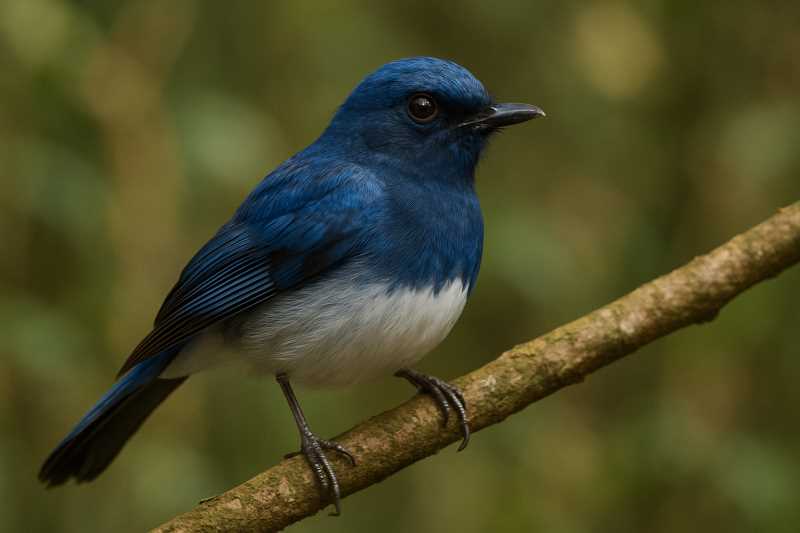
Belonging to the family Muscicapidae, the White-bellied Blue Flycatcher is a small passerine bird. It is distinct from other flycatchers due to its striking coloration and relatively smaller size. The male boasts a vibrant blue upper body with a contrasting white belly, which gives the bird its name. The female, while less vivid, is equally charming with a more subdued blue and brown hue. Both sexes possess a delicate build, with an average length of about 13-14 cm and a wingspan that complements their agile flight.
The species is closely related to other members of the Cyornis genus, yet it stands out due to its unique coloration and regional habitation. This differentiation is crucial for birdwatchers aiming to identify this particular flycatcher in the wild.
Habitat and Distribution
The White-bellied Blue Flycatcher is endemic to the Western Ghats, a biodiversity hotspot that stretches across several Indian states including Kerala, Karnataka, Tamil Nadu, and Goa. This mountain range offers the perfect ecosystem for the flycatcher, characterized by dense, humid forests with ample insect life to sustain their diet.
Within these forests, the flycatchers prefer the mid-canopy level, where they find both shelter and sustenance. They are often spotted flitting between branches, actively foraging for insects, which constitute the majority of their diet. The presence of this species is often an indicator of healthy, undisturbed forest environments.
Behavior and Ecology
The White-bellied Blue Flycatcher is primarily insectivorous, with a diet that includes a variety of insects and other small arthropods. Their feeding behavior is characterized by short sallies from a perch to catch prey mid-flight, a typical trait of flycatchers.
These birds are also known for their enchanting vocalizations. The male’s song is particularly notable, consisting of a series of melodious whistles and chirps that serve both to attract mates and to establish territory. During the breeding season, which typically spans from March to June, the male’s vocal displays are at their peak.
Nesting habits of the White-bellied Blue Flycatcher are equally intriguing. They construct cup-shaped nests using moss and twigs, usually placed in the fork of a tree or a concealed bush. The female lays a clutch of two to three eggs, and both parents share the responsibility of feeding the chicks once they hatch.
Conservation Status and Threats
Currently, the White-bellied Blue Flycatcher is listed as a species of Least Concern by the International Union for Conservation of Nature (IUCN). However, this status does not imply that the species faces no threats. Habitat destruction due to deforestation, agricultural expansion, and urbanization poses significant risks to their natural habitats.
Conservation efforts in the Western Ghats are crucial to ensure the survival of this species. Protecting large tracts of forest, implementing sustainable land use practices, and promoting biodiversity-friendly policies are essential strategies. Additionally, raising public awareness about the ecological importance of such species can foster community-driven conservation initiatives.
Conclusion
The White-bellied Blue Flycatcher is more than just a visually stunning bird. It is a vital component of the ecological tapestry of the Western Ghats, playing a role in insect population control and serving as an indicator of environmental health. Protecting their habitat ensures not only the preservation of this species but also the overall biodiversity of the region.
For bird enthusiasts and conservationists, the White-bellied Blue Flycatcher represents a call to action to cherish and protect the natural wonders of the Western Ghats. By supporting conservation efforts, we can ensure that future generations will continue to enjoy the sight and sound of this magnificent bird in its natural habitat.
Related posts