The Wallacean Cuckooshrike: A Comprehensive Study of Coracina personata
The Wallacean Cuckooshrike, scientifically known as Coracina personata, is a fascinating bird species that forms an integral part of the avian biodiversity found in the Wallacea region. This article explores the various aspects of the Wallacean Cuckooshrike, including its taxonomy, physical characteristics, habitat, behavior, diet, and conservation status. By understanding this species, we gain insight into the ecological complexity of the regions it inhabits and the broader implications for conservation efforts.
Taxonomy and Classification
The Coracina personata belongs to the family Campephagidae, commonly known as cuckooshrikes. This family includes small to medium-sized passerine birds characterized by their predominantly grey plumage and distinctive calls. The genus Coracina encompasses several species, but the Wallacean Cuckooshrike is unique due to its limited distribution and specific adaptations.
The species was first described by German ornithologist Hermann Schlegel in 1863. Its common name, Wallacean Cuckooshrike, pays homage to the renowned British naturalist Alfred Russel Wallace, who conducted extensive studies in the region that now bears his name.
Physical Characteristics
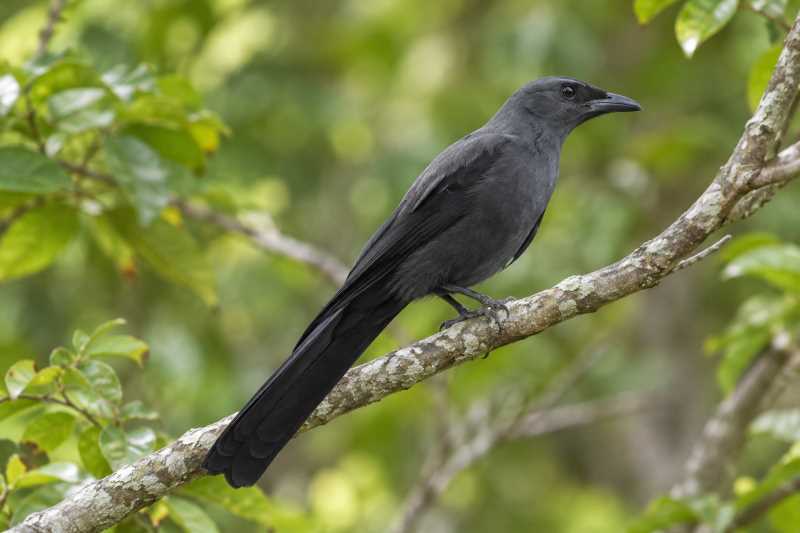
The Wallacean Cuckooshrike is a medium-sized bird, typically measuring around 25 to 28 centimeters in length. Its plumage is predominantly grey, with a darker mask-like marking around the eyes, which gives the species its name, ‘personata’, meaning masked in Latin. The wings and tail are slightly darker, providing a subtle contrast to the body.
Both males and females exhibit similar plumage, making sexual dimorphism less pronounced in this species. Juveniles may display slightly duller colors, which become more vivid as they mature. The beak is strong and slightly hooked, adapted for its insectivorous diet.
Habitat and Distribution
The Wallacean Cuckooshrike is endemic to the Wallacea region, which includes parts of Indonesia and East Timor. This area is known for its unique biodiversity, situated between the Asian and Australian biogeographical zones. The bird’s range primarily includes the islands of Sulawesi, the Moluccas, and surrounding smaller islands.
Preferring subtropical or tropical moist lowland forests, the Wallacean Cuckooshrike is highly dependent on well-preserved forest habitats. It can also be found in secondary growth forests and forest edges, though it shows a marked preference for undisturbed environments.
Behavior and Ecology
The Wallacean Cuckooshrike is known for its relatively solitary lifestyle, though it may sometimes be observed in pairs or small family groups. It is a diurnal bird, most active during the early morning and late afternoon.
Its vocalizations are soft and melodious, consisting of a series of whistles and chirps that serve as communication tools among individuals. The species is also known for its territorial behavior, defending feeding and breeding territories against intruders.
Diet and Feeding Habits
Primarily insectivorous, the Wallacean Cuckooshrike feeds on a variety of insects, including caterpillars, beetles, and grasshoppers. It employs a ‘sit-and-wait’ strategy, perching silently in the forest canopy before swooping down to capture prey.
In addition to insects, the species may also consume small fruits and berries, making it an opportunistic feeder. This varied diet aids in its survival, especially in areas where insect populations fluctuate seasonally.
Reproduction and Lifespan
The breeding season for the Wallacean Cuckooshrike typically coincides with the onset of the rainy season, ensuring an abundance of food for the growing chicks. Nesting usually occurs in tall trees, where the female lays two to three eggs.
Both parents participate in incubation and feeding the young, displaying strong parental care. The chicks fledge after approximately three weeks, though they may remain with the parents for an extended period as they learn to forage.
In terms of lifespan, the Wallacean Cuckooshrike can live up to 10 years in the wild, though this is largely dependent on environmental conditions and predation pressure.
Conservation Status and Threats
Currently, the Wallacean Cuckooshrike is listed as Least Concern by the International Union for Conservation of Nature (IUCN). However, like many forest-dependent species, it faces potential threats from habitat loss due to logging, agriculture, and urban development.
Conservation efforts in the region are crucial to ensuring the survival of this species. Protected areas and sustainable forestry practices can help preserve its natural habitat. Additionally, raising awareness about the importance of biodiversity in Wallacea is essential for garnering support for conservation initiatives.
Conclusion
The Wallacean Cuckooshrike is a remarkable example of the unique avian diversity found in the Wallacea region. Its specialized adaptations and ecological role highlight the importance of preserving tropical forest habitats. By understanding and protecting such species, we contribute to the conservation of global biodiversity and the health of our planet.
Efforts must continue to focus on sustainable habitat management and research to fully understand the Wallacean Cuckooshrike’s ecological needs and ensure its continued presence in the wild. As we deepen our knowledge of this and other species, we pave the way for more effective conservation strategies.
Through education, research, and conservation, we can ensure that the Wallacean Cuckooshrike remains an enduring symbol of Wallacea’s rich biological heritage.
Related posts