The Vulturine Parrot: A Unique Avian Marvel
The Vulturine Parrot, scientifically known as Pyrilia vulturina, is a captivating bird species that belongs to the Psittacidae family. Known for its striking appearance and intriguing behavioral traits, this species is a subject of fascination among ornithologists and bird enthusiasts alike. This article delves into the fascinating world of the Vulturine Parrot, exploring its habitat, physical characteristics, behavior, and conservation status.
Habitat and Distribution
The Vulturine Parrot is native to the northern regions of South America, with its range primarily concentrated in the Amazon Basin. It thrives in the tropical and subtropical forests of Brazil, particularly in the states of Pará and Maranhão. These lush, dense forests provide an ideal habitat for the Vulturine Parrot, offering ample food resources and nesting sites.
This parrot species is typically found in lowland rainforests and often inhabits areas near rivers and streams. The availability of fruiting trees and other vegetation is crucial for its survival, as these provide both food and shelter. The Vulturine Parrot’s preference for such specific habitats makes it particularly vulnerable to deforestation and habitat degradation.
Physical Characteristics
The Vulturine Parrot is strikingly unique in appearance, with several features that distinguish it from other parrot species. It measures approximately 23 to 25 centimeters in length, with a robust build and a wingspan that complements its size.
One of the most distinctive features of the Vulturine Parrot is its bald head, which resembles that of a vulture, hence its name. This baldness is not just for show; it serves a practical purpose. The lack of feathers on its head helps it stay clean when feeding on sticky or messy fruits, preventing feather matting and potential infections.
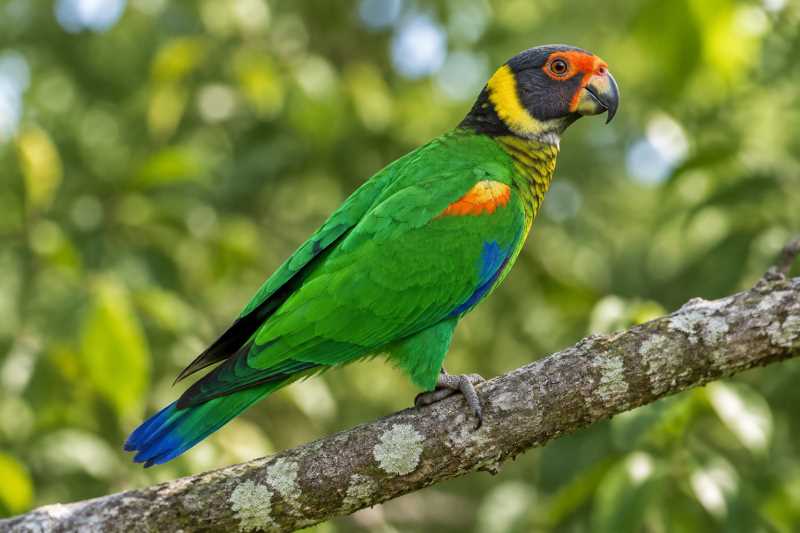
The plumage of the Vulturine Parrot is predominantly green, providing excellent camouflage in its forest environment. It boasts a vibrant yellow patch on its wings and a striking blue tinge on its tail feathers. The combination of these colors, along with its bare, pale-skinned head, makes the Vulturine Parrot a visually remarkable bird.
Behavior and Diet
Vulturine Parrots are social creatures, often seen in small flocks. They are known for their playful behavior and vocal communication, which includes a range of squawks and calls used for interaction within the group. This social nature is essential for their survival, as it helps in locating food and alerting others to potential threats.
The diet of the Vulturine Parrot primarily consists of fruits, seeds, and nuts. It is particularly fond of figs, which are abundant in its natural habitat. The parrot’s powerful beak is well-adapted for cracking open hard shells and accessing the nutritious contents within. Occasionally, it may also consume flowers and leaves, adding variety to its diet.
Reproduction and Lifespan
The breeding season of the Vulturine Parrot typically coincides with the abundance of food in its habitat, ensuring that chicks have a plentiful supply of nourishment. These parrots are cavity nesters, often laying their eggs in tree hollows to protect them from predators.
A typical clutch consists of two to four eggs, which are incubated by the female for about 24 to 28 days. During this period, the male plays a crucial role in providing food for the female. Once hatched, the chicks are cared for by both parents, who continue to feed and protect them until they fledge.
The Vulturine Parrot has a relatively long lifespan, often living up to 30 years in the wild. However, this longevity is contingent on various factors, including environmental conditions and threats from human activities.
Conservation Status
The Vulturine Parrot is currently listed as Near Threatened on the IUCN Red List. The primary threat to its survival is habitat loss due to deforestation and agricultural expansion in the Amazon Basin. Additionally, illegal wildlife trade poses a significant threat, as these parrots are often captured for the pet market due to their unique appearance.
Conservation efforts are crucial to safeguarding the future of the Vulturine Parrot. Protecting its natural habitat through sustainable land management practices and enforcing stricter regulations against illegal trade are vital steps in ensuring the survival of this remarkable species.
Conclusion
The Vulturine Parrot is a fascinating example of nature’s diversity, with its unique appearance and behaviors capturing the interest of many. Understanding and appreciating the ecological role of such species is essential in promoting their conservation. By taking steps to protect their habitats and curbing illegal trade, we can help ensure that future generations continue to marvel at the beauty and uniqueness of the Vulturine Parrot.
In conclusion, the Vulturine Parrot stands as a testament to the incredible adaptability and diversity of life on Earth. Its survival hinges on our collective efforts to preserve the natural world, highlighting the role each of us can play in conservation.
References
- BirdLife International. (2021). "Pyrilia vulturina." The IUCN Red List of Threatened Species 2021.
- Forshaw, J. M., & Knight, F. (2010). Parrots of the World. Princeton University Press.
- Juniper, T., & Parr, M. (1998). Parrots: A Guide to Parrots of the World. Yale University Press.
Related posts