The Dovekie: A Spectacle of the Northern Seas
The Dovekie, scientifically known as Alle alle, is an extraordinary seabird that captures the fascination of ornithologists and bird enthusiasts alike. Found predominantly in the cold waters of the North Atlantic, this small member of the auk family boasts a unique set of characteristics that make it a subject of extensive study and admiration.
Physical Characteristics
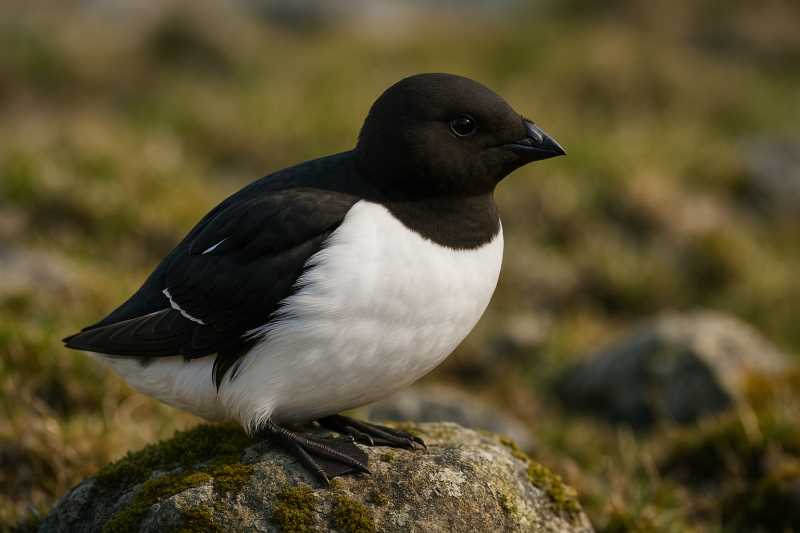
Dovekies are diminutive in size, typically measuring around 19 to 23 centimeters in length, with a wingspan ranging from 40 to 48 centimeters. Their compact bodies are covered in black and white plumage, which provides excellent camouflage against the icy Arctic waters. The stark contrast between their black back and white belly is a distinctive feature reminiscent of the tuxedoed appearance of penguins, though the two are not closely related.
Habitat and Distribution
The Dovekie thrives in the cold, nutrient-rich waters of the North Atlantic Ocean. They are primarily found along the coasts of Greenland, Iceland, and the eastern shores of Canada. During breeding season, these birds are known to nest on cliffs and rocky outcrops in northern Greenland and Svalbard, where they lay a single egg per season.
Adapted to extreme conditions, Dovekies are excellent swimmers and divers. They are known to dive up to 30 meters to forage for food, primarily feeding on small fish, crustaceans, and zooplankton. Their ability to store large amounts of food in their gular pouch allows them to efficiently transport nourishment back to their chicks.
Behavior and Social Structure
Dovekies are highly social birds, often seen in large flocks both during feeding and migration. Their social nature is especially evident during breeding season when they form densely packed colonies on steep cliffs. These colonies provide safety in numbers, deterring predators such as Arctic foxes and gulls.
Communication among Dovekies is primarily vocal. They produce a variety of calls, ranging from soft coos to more raucous sounds, which serve as a means of maintaining social bonds and coordinating group activities. These vocalizations are particularly important during breeding season when pairs communicate closely to ensure the successful rearing of their young.
Conservation Status
Although the Dovekie is currently listed as a species of Least Concern by the International Union for Conservation of Nature (IUCN), it faces several environmental challenges. Climate change poses a significant threat, as rising temperatures affect the availability of their prey and alter their natural habitat. Additionally, oil spills and increased shipping traffic in the Arctic regions pose risks to their populations.
Conservation efforts are being implemented to monitor the impacts of these threats and to develop strategies for mitigating them. Researchers are focusing on understanding the migration patterns and feeding ecology of Dovekies to better predict how environmental changes may affect their populations in the future.
The Dovekie in Culture and Research
The Dovekie holds cultural significance among indigenous communities in Greenland, where it is known as "Little Auk" and is traditionally hunted for food and clothing. In scientific research, the Dovekie serves as an important indicator species for studying the effects of climate change in the Arctic. Their population trends provide valuable insights into the health of marine ecosystems and the broader impacts of global warming.
In conclusion, the Dovekie is a remarkable bird that embodies the resilience and adaptability required to survive in some of the harshest environments on Earth. Its intriguing behaviors, coupled with its ecological significance, make it a subject of continued interest and study. As environmental challenges mount, understanding and protecting the Dovekie becomes ever more crucial, serving as a reminder of the intricate connections between wildlife and their habitats in our changing world.
Related posts