Understanding the Taiwan Hwamei: A Jewel of Avian Diversity
The Taiwan Hwamei (Garrulax taewanus) represents a fascinating chapter in the rich tapestry of avian biodiversity found on the island of Taiwan. Known for its melodious song and striking appearance, this bird holds a special place not only in the ecological landscape but also in the cultural heritage of Taiwan.
Taxonomy and Evolutionary Background
The Taiwan Hwamei belongs to the Leiothrichidae family, which encompasses a variety of laughingthrushes and babblers. It is a close relative to the Chinese Hwamei (Garrulax canorus), but the Taiwan Hwamei is distinct in its own right. This distinction is a result of the evolutionary processes that have taken place over eons, allowing the species to adapt to the unique environmental conditions of Taiwan.
The island of Taiwan, with its complex topography and varying climates, has been a crucible for speciation, and the Taiwan Hwamei is a notable product of these natural forces. The species’ divergence from its mainland relatives is believed to have occurred during the Pleistocene epoch, when rising sea levels and geological activities isolated populations, allowing for distinct evolutionary pathways.
Physical Characteristics
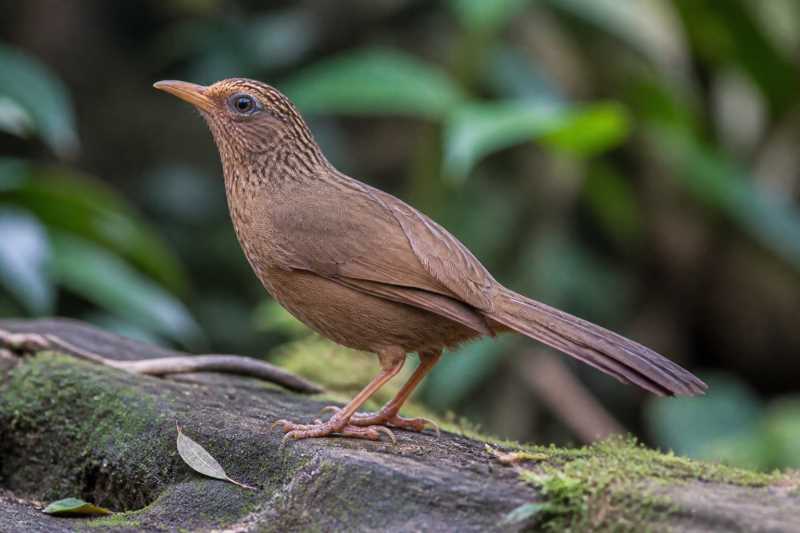
The Taiwan Hwamei is approximately 20 to 24 cm in length. It possesses a sleek body, adorned with a warm brown plumage that provides effective camouflage against the forest floor. One of the most distinguishing features of the Taiwan Hwamei is its striking white eye-ring, which gives the bird a distinctive appearance.
Its wings are strong and rounded, adapted for maneuvering through dense forest canopies. The bird’s tail is relatively long, aiding in balance and agility. These physical attributes are not only aesthetic but functional, allowing the Taiwan Hwamei to thrive in its natural habitat.
Habitat and Distribution
The Taiwan Hwamei is endemic to Taiwan, meaning it is found nowhere else in the world. This bird inhabits a range of forested environments, from lowland forests to mountainous regions. Its adaptability to different forest types has made it a resilient species despite habitat changes.
The bird’s preference for dense undergrowth and bamboo thickets is crucial for its survival, offering protection from predators and providing abundant food resources. Unfortunately, habitat destruction poses a significant threat to the Taiwan Hwamei, as deforestation and land conversion for agriculture encroach upon its natural habitat.
Behavior and Diet
The Taiwan Hwamei is a diurnal bird, typically active during daylight hours. It is known for its social behavior, often observed in pairs or small family groups. This social structure is beneficial for foraging and predator avoidance.
Its diet is primarily insectivorous, feeding on a variety of insects, spiders, and small invertebrates. The bird is also known to consume seeds and fruits, particularly during the non-breeding season when insect availability is lower. Foraging is usually conducted on the ground or in low vegetation, where the bird uses its robust bill to probe for food.
Vocalization
One of the most celebrated characteristics of the Taiwan Hwamei is its vocalization. The bird’s song is a complex and melodious series of notes that vary between individuals. This vocal prowess is not just a mating call but also a means of establishing territory and communicating with other birds.
The song of the Taiwan Hwamei is highly valued in aviculture, where it is appreciated for its beauty and variety. However, this has also led to issues with illegal trapping and trade, posing a conservation challenge.
Conservation Status
Currently, the Taiwan Hwamei is classified as a species of ‘Least Concern’ by the International Union for Conservation of Nature (IUCN). However, ongoing habitat loss and illegal trapping are significant threats that could impact its population in the future.
Conservation efforts are essential to ensure the survival of the Taiwan Hwamei. Protecting its natural habitat through the establishment of protected areas and enforcing laws against illegal trade are critical measures. Additionally, raising awareness about the ecological and cultural significance of the Taiwan Hwamei can foster community support for conservation initiatives.
Cultural Significance
In Taiwan, the Hwamei holds cultural resonance, often featured in folklore and traditional art. Its song is celebrated in music and poetry, symbolizing the beauty and harmony of the natural world.
The bird also plays a role in traditional bird-keeping practices, where it is prized for its singing ability. While this cultural aspect underscores the bird’s value, it also highlights the need for sustainable practices that do not threaten wild populations.
Conclusion
The Taiwan Hwamei is more than just a bird; it is a symbol of the island’s diverse biodiversity and cultural heritage. Understanding its ecological role and the challenges it faces is crucial for its conservation. By valuing and protecting the Taiwan Hwamei, we not only preserve a species but also the natural wealth of Taiwan itself.
Related posts