Introduction
The avian world is a vast tapestry of species, each contributing uniquely to the intricate web of biodiversity. Among these is Souza’s Shrike, scientifically known as *Lanius souzae*. Although not as widely recognized as some of its avian counterparts, this bird embodies fascinating characteristics worthy of study and admiration. This article delves into the distinctive features, habitat, behavior, and conservation status of Souza’s Shrike, offering a comprehensive overview for ornithologists, bird enthusiasts, and conservationists alike.
Taxonomy and Identification
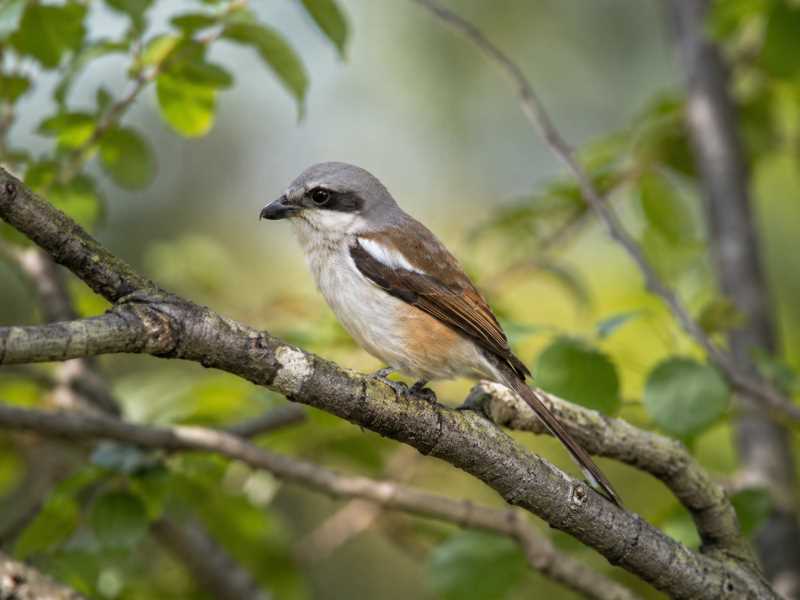
Souza’s Shrike belongs to the family Laniidae, a group of passerine birds known for their predatory habits. Named after the Portuguese naturalist José Alberto de Souza, this shrike is often distinguished by its robust build, hooked bill, and striking plumage. Adult Souza’s Shrikes typically exhibit a combination of grey hues across their back and wings, contrasted by a lighter underbelly. One of the most distinctive features is the black mask extending from the beak across the eyes, reminiscent of other shrike species.
Habitat and Distribution
Native to Africa, Souza’s Shrike predominantly inhabits regions in Angola, Botswana, Namibia, and Zambia. Its preferred habitats include savannas, shrublands, and sometimes open woodlands, where it can effectively hunt and nest. The bird’s adaptability to different environments allows it to thrive in areas with varying degrees of vegetation density, although it is most commonly found in regions where thorny bushes and acacia trees are prevalent.
Behavior and Diet
Souza’s Shrike is a solitary bird, often seen perching prominently on trees or shrubs as it surveys the surrounding area for prey. It exhibits typical shrike behavior by impaling its prey on thorns or barbed wire, a habit that not only aids in consumption but also serves as a method of food storage. The diet of Souza’s Shrike primarily consists of insects, small mammals, and occasionally smaller birds. This varied diet underscores its role as a versatile predator within its ecosystem.
Breeding and Nesting
The breeding season for Souza’s Shrike generally occurs during the rainy months, when food availability is at its peak. The species is monogamous, with pairs often returning to the same nesting sites year after year. Nests are typically constructed in thorny bushes or trees, providing protection from predators. Both parents partake in rearing the young, from incubating the eggs to feeding the fledglings. The typical clutch size ranges from three to five eggs, with an incubation period of approximately two weeks.
Conservation Status
Currently, Souza’s Shrike is classified as Least Concern by the International Union for Conservation of Nature (IUCN). However, like many avian species, it faces threats from habitat destruction and climate change. Ongoing deforestation and agricultural expansion pose significant risks to its natural habitats. Conservation efforts are focused on habitat preservation and monitoring population trends to ensure this species does not slip into more threatened categories.
Cultural Significance
In regions where Souza’s Shrike is found, it holds a place in local folklore and cultural narratives. Often admired for its tenacity and hunting prowess, it is sometimes seen as a symbol of resilience and adaptability. Although not as prominent as some other birds in local mythology, its presence is appreciated by bird watchers and local communities alike.
Research and Observation
For ornithologists and researchers, Souza’s Shrike offers intriguing opportunities for study. Its behavioral patterns, adaptability to different environments, and interactions with other species provide valuable insights into avian ecology and evolution. Continued research is essential to better understand its role within ecosystems and to devise strategies for its conservation.
Conclusion
Souza’s Shrike, while not as widely known as some of its avian relatives, is a remarkable species that exemplifies the beauty and complexity of the natural world. Its predatory habits, unique adaptations, and the ecological role it plays make it a subject of interest for scientific study and conservation. Protecting its habitats and ensuring its survival is crucial, not only for maintaining biodiversity but also for preserving the intricate balance of ecosystems where it resides.
Related posts