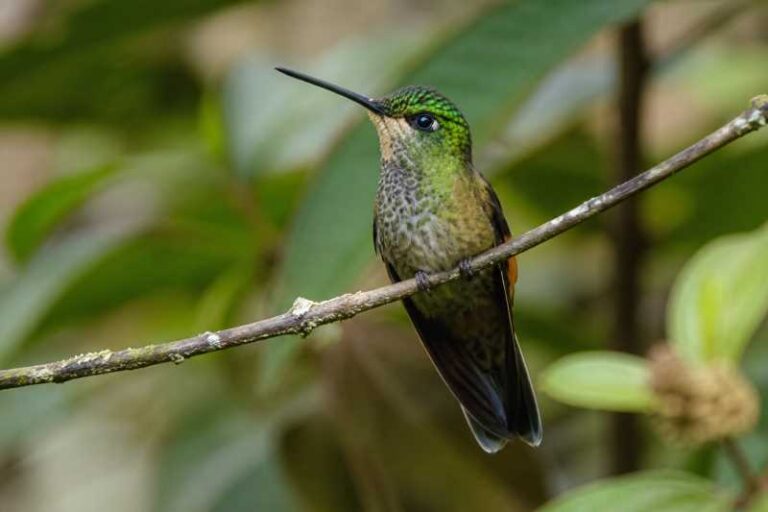
The Small Pratincole (Glareola lactea): A Master of Adaptation
The Small Pratincole, scientifically known as Glareola lactea, is a distinctive bird species belonging to the family Glareolidae. Recognized for its unique appearance and behavioral traits, this avian species is a fascinating subject for ornithologists and bird enthusiasts alike. Found primarily across South Asia, the Small Pratincole inhabits a variety of landscapes, showcasing remarkable adaptability that ensures its survival across diverse environments.
Physical Characteristics
The Small Pratincole is a small wader, measuring approximately 16 to 18 cm in length with a wingspan ranging from 38 to 41 cm. Its plumage is predominantly pale sandy-brown, which provides excellent camouflage against the sandy riverbanks and dry stony regions it frequents. The bird’s underparts are white, and it features a distinctive black patch in front of the eye, which is a key identifying feature. The wings are long and pointed, aiding in its agile flight, while the tail is forked, which is characteristic of the pratincole family. Its beak is short and slightly down-curved, adapted for its insectivorous diet.
Habitat and Distribution
The Small Pratincole is widely distributed across the Indian subcontinent, extending to parts of Southeast Asia. It thrives in habitats that include riverbanks, dry mudflats, open sandy areas, and occasionally, agricultural fields. These birds are often seen in flocks, particularly during non-breeding seasons. The choice of habitat is closely linked to the availability of bare ground and proximity to water bodies, as these environments provide both feeding grounds and nesting sites.
Diet and Feeding Behavior
Insectivorous by nature, the Small Pratincole feeds primarily on insects such as beetles, grasshoppers, and ants. It employs a unique feeding technique characterized by aerial foraging, where it captures insects in flight. This method is reminiscent of swallows and underscores the bird’s agility and speed. Additionally, the pratincole may also forage on the ground, picking insects from the sandy soil.
Breeding and Nesting Habits
Breeding typically occurs during the dry season when water levels are low, exposing large expanses of riverbed suitable for nesting. The Small Pratincole is a colonial breeder, with colonies ranging from a few pairs to several hundred individuals. Nests are simple scrapes on the ground, often lined with small stones or debris to provide some insulation from the heat.
The female generally lays two to four eggs, which are cryptically colored to blend with the surrounding environment, providing a degree of protection against predators. Both parents share incubation duties, which last approximately 18 to 21 days. After hatching, the chicks are precocial, meaning they are relatively mature and mobile shortly after birth. This characteristic is vital for survival, as it allows the chicks to quickly leave the nest and avoid potential threats.
Conservation Status and Threats
Currently, the Small Pratincole is listed as a species of Least Concern by the International Union for Conservation of Nature (IUCN). However, its population is subject to pressures from habitat destruction, human disturbance, and pesticide use. The alteration of riverine ecosystems through dam construction and water extraction poses significant threats to their natural habitats. Additionally, increased human activities along riverbanks can lead to nest disturbance, reducing breeding success.
Conservation efforts are necessary to ensure the long-term survival of the Small Pratincole. Protecting key habitats, regulating human activities during the breeding season, and promoting awareness about the species are essential strategies to mitigate the risks faced by these charming birds.
Conclusion
The Small Pratincole is a remarkable example of adaptability and resilience in the avian world. Its ability to thrive across varied landscapes, coupled with its unique feeding and breeding behaviors, makes it a captivating subject for study. While currently not at immediate risk, ongoing conservation efforts are crucial to preserve its habitats and ensure its continued presence in the South Asian ecosystem. By understanding and supporting the ecological needs of the Small Pratincole, we contribute to the broader goal of biodiversity conservation and the protection of our planet’s natural heritage.
Related posts