The Scaly-breasted Kingfisher: A Hidden Gem of the Indonesian Forests
The Scaly-breasted Kingfisher (Actenoides princeps), a captivating member of the Alcedinidae family, is a bird of vibrant colors and elusive habits. Found predominantly in the lush, dense forests of Indonesia, this bird is a testament to the rich biodiversity of the region. Despite its striking appearance, the Scaly-breasted Kingfisher remains relatively unknown to many, overshadowed by its more famous relatives. This article delves into the fascinating world of the Scaly-breasted Kingfisher, exploring its habitat, behavior, and conservation status.
Habitat and Distribution
The Scaly-breasted Kingfisher is native to the Indonesian islands, primarily residing in the Sulawesi region. Its preferred habitat includes subtropical or tropical moist lowland forests and montane forests. These environments provide the necessary cover and resources for feeding and nesting. The bird’s range is largely restricted to undisturbed, primary forests, although it can occasionally be found in secondary growth areas that are in proximity to these primary habitats.
The kingfisher’s habitat choices are driven by its dietary needs and nesting preferences. Dense canopies offer ample hunting opportunities and protection from predators, while also providing suitable sites for nesting. The bird’s presence in these areas is a marker of the ecological health of the forests, as it relies on a well-balanced ecosystem to thrive.
Physical Characteristics
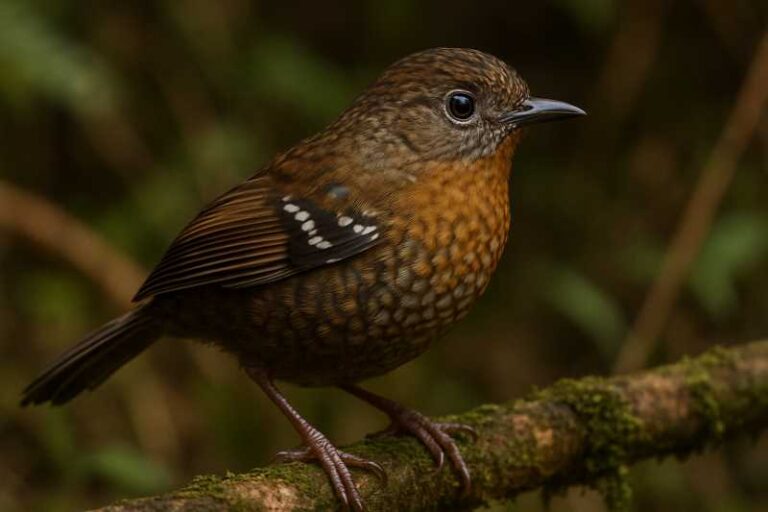
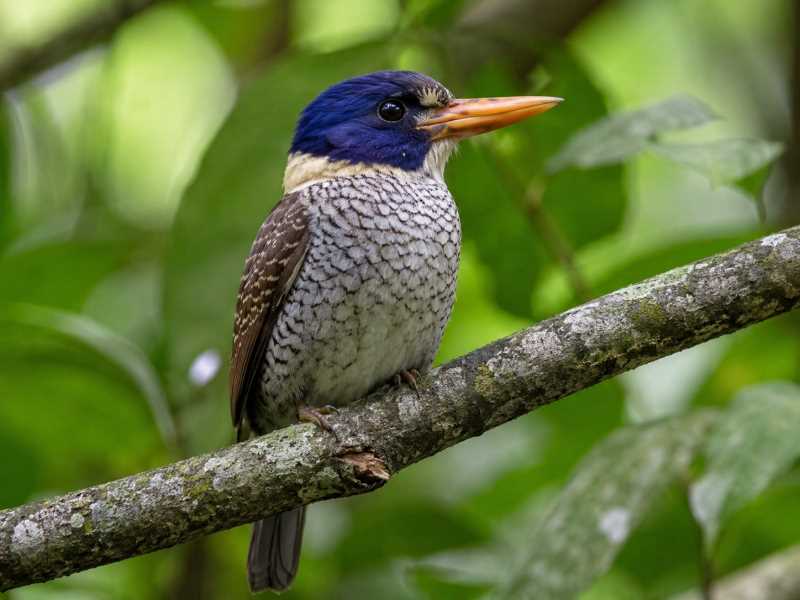
The Scaly-breasted Kingfisher is easily recognizable due to its distinctive plumage. It exhibits a vibrant mix of colors, with a predominant greenish-blue hue on its back and wings, contrasted by a rich chestnut brown on its head and breast. Its underparts are adorned with a scaly pattern, from which it derives its name. This intricate pattern not only adds to its aesthetic appeal but also serves as camouflage against the forest backdrop.
Measuring approximately 25 to 30 centimeters in length, the Scaly-breasted Kingfisher is a medium-sized bird. It possesses a robust body, with a large head and a stout bill, characteristic of the kingfisher family. This bill is an essential tool for hunting, allowing the bird to capture a variety of prey with precision.
Behavior and Diet
The Scaly-breasted Kingfisher is a solitary and secretive bird, often spotted alone or in pairs. Its elusive nature makes it a challenge for ornithologists and bird watchers to observe. The bird is primarily a sit-and-wait predator, relying on its excellent vision to spot prey from a perch before swooping down to catch it.
Its diet is diverse, including insects, small reptiles, and amphibians. The kingfisher’s hunting technique is both precise and efficient, utilizing its powerful bill to capture and subdue its prey. This dietary flexibility allows the bird to adapt to varying food availability within its habitat.
During the breeding season, the Scaly-breasted Kingfisher becomes more vocal, using its calls to establish territory and attract mates. The breeding cycle is closely tied to the availability of food and suitable nesting sites. Nests are typically constructed in earthen banks or termite mounds, providing secure environments for raising young.
Conservation Status
The Scaly-breasted Kingfisher is currently classified as Near Threatened on the IUCN Red List. The primary threat to its survival is habitat destruction, largely driven by logging, agriculture, and urban expansion. The loss of primary forests in Indonesia has a significant impact on the kingfisher’s population, as it depends on these environments for survival.
Conservation efforts are crucial to ensure the survival of this remarkable bird. Initiatives aimed at preserving and restoring forest habitats are essential, along with raising awareness about the ecological importance of the Scaly-breasted Kingfisher. Local and international conservation organizations are working to implement measures that protect the bird’s natural habitat and promote sustainable land-use practices.
Conclusion
The Scaly-breasted Kingfisher is a remarkable bird, embodying the beauty and complexity of Indonesia’s forest ecosystems. Despite facing threats from habitat destruction, it remains a symbol of resilience and adaptation. Increased awareness and targeted conservation efforts are vital to safeguarding its future, ensuring that this hidden gem continues to thrive in its natural habitat. By understanding and protecting the Scaly-breasted Kingfisher, we contribute to the broader goal of conserving biodiversity and maintaining ecological balance.
In summary, the Scaly-breasted Kingfisher is not just a bird; it is a vital part of a delicate ecosystem. Its survival is intertwined with the health of the forests it inhabits, making it an indicator species for environmental conservation. The challenge lies in balancing human development with ecological preservation, ensuring that future generations can witness the splendor of this extraordinary bird.
Related posts