The Samoan Triller: An Endemic Avian Jewel of Samoa
The Samoan Triller, scientifically known as *Lalage sharpei*, is a captivating bird species that holds a special place in the rich biodiversity of the Samoan archipelago. This avian jewel, endemic to the islands, is a testament to the unique ecological tapestry of the Pacific region. In this article, we delve into the intriguing characteristics, habitat, behavior, and conservation efforts surrounding this remarkable bird.
Taxonomy and Physical Characteristics
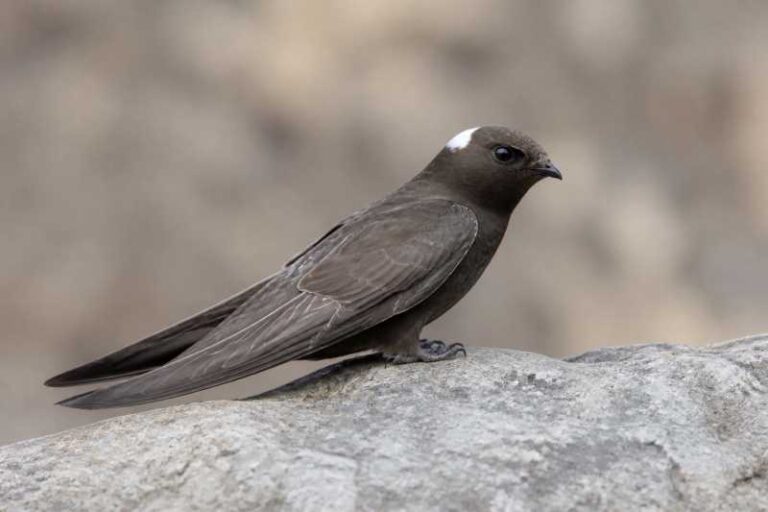
The Samoan Triller belongs to the family Campephagidae, a group commonly referred to as cuckoo-shrikes. *Lalage sharpei* is a relatively small bird, measuring about 18-20 cm in length. The species is characterized by its striking plumage, which is predominantly dark with a glossy black head and upperparts. The underparts are contrastingly white, providing a sharp visual distinction that aids in identification. The eyes of the Samoan Triller are a piercing brown, adding to its charismatic appearance.
Sexual dimorphism is not pronounced in this species, with males and females exhibiting similar plumage. Juveniles, however, display a more muted coloration compared to adults, which gradually transitions to the vivid adult plumage as they mature.
Habitat and Distribution
*Lalage sharpei* is endemic to Samoa, meaning it is found nowhere else in the world. Its distribution is primarily concentrated on the islands of Upolu and Savai’i, where it inhabits a range of forested environments. The bird thrives in lowland and montane forests, often favoring areas with dense canopy cover that provide ample foraging opportunities and protection from predators.
The Samoan Triller is an arboreal species, spending most of its time in the mid to upper canopy layers. Its presence is often noted by its distinctive calls, which echo through the verdant forests of Samoa.
Behavior and Diet
The Samoan Triller is an active and agile bird, known for its acrobatic foraging techniques. It primarily feeds on insects and other arthropods, which it gleans from foliage and tree bark. The bird’s sharp eyesight and quick reflexes make it an adept hunter, capable of capturing prey in mid-flight.
In addition to insects, the Samoan Triller also consumes small fruits and berries. This dietary flexibility is beneficial, particularly during periods when insect availability is low. The bird’s role as both a predator and seed disperser underscores its ecological importance within its habitat.
Breeding behavior in the Samoan Triller is not extensively documented, but it is presumed to follow patterns typical of the Campephagidae family. These birds are likely monogamous, forming pair bonds that persist through the breeding season. Nests are constructed in the canopy, where females lay clutches of 2-3 eggs.
Conservation Status and Threats
The International Union for Conservation of Nature (IUCN) currently lists the Samoan Triller as Near Threatened. While it is not immediately at risk of extinction, the species faces several challenges that could impact its population in the future.
Habitat loss is a significant threat, driven by deforestation and land conversion for agriculture and development. The introduction of invasive species, such as rats and cats, poses additional risks by preying on eggs and juvenile birds. Climate change also looms as a potential threat, with shifts in weather patterns potentially altering the delicate balance of the Samoan Triller’s habitat.
Conservation Efforts and Future Directions
Efforts to conserve the Samoan Triller focus on habitat preservation and restoration. Protected areas and national parks on Upolu and Savai’i play a crucial role in safeguarding the bird’s habitat. Conservation organizations are working to mitigate the impact of invasive species through targeted control measures.
Community engagement is another vital component of conservation strategies. By involving local communities in conservation efforts, there is potential to foster a sense of ownership and stewardship for the natural environment. Educational programs that highlight the ecological importance of endemic species like the Samoan Triller can inspire collective action to protect these birds and their habitats.
In conclusion, the Samoan Triller is a fascinating species that embodies the unique biodiversity of Samoa. Its presence in the avian community is a reminder of the intricate connections between species and their environments. Continued conservation efforts are essential to ensure that this remarkable bird continues to thrive in its island home, contributing to the vibrant tapestry of life in the Pacific.
By understanding and appreciating the Samoan Triller, we take a step towards preserving the natural heritage of Samoa for future generations to cherish and enjoy.
Related posts