Introduction
The Rufous-winged Sparrow (Peucaea carpalis) is a small but captivating bird species that inhabits the arid regions of the American Southwest. Known for its distinctive rufous-colored wings and melodious song, this sparrow is a fascinating subject for ornithologists and bird enthusiasts alike. This article aims to provide a comprehensive overview of the Rufous-winged Sparrow, covering its taxonomy, physical characteristics, habitat, behavior, diet, breeding patterns, conservation status, and its role in the ecosystem.
Taxonomy and Classification
The Rufous-winged Sparrow belongs to the family Passerellidae, which includes the New World sparrows, a diverse group of small passerine birds. Its scientific name, Peucaea carpalis, reflects its unique characteristics. The genus Peucaea was established to classify a group of sparrows that share similar morphological traits, distinguishing them from other genera within the family. This classification underscores the distinctiveness of the Rufous-winged Sparrow within the avian world.
Physical Characteristics
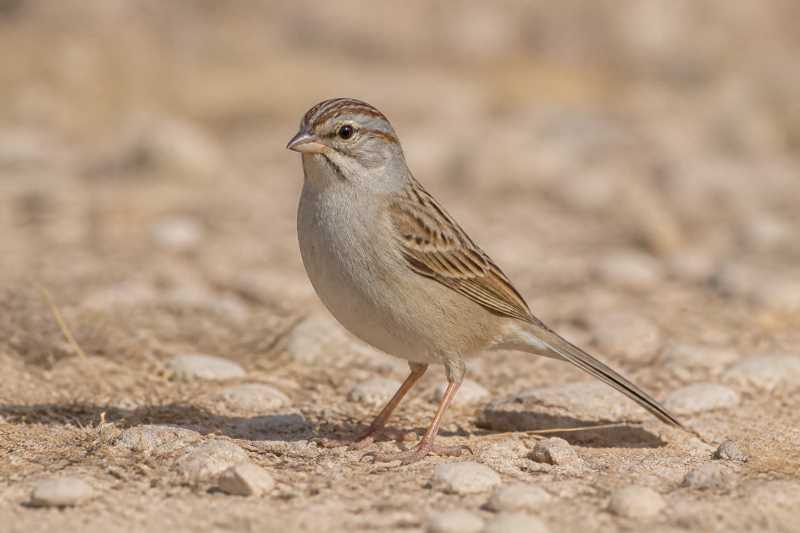
The Rufous-winged Sparrow is easily identified by its distinct plumage. It measures approximately 14 centimeters in length, with a wingspan of around 20 centimeters and a weight ranging between 15-20 grams. Its most striking feature is the rufous, or reddish-brown, coloration on its wings, which contrasts with its otherwise grayish-brown body. The sparrow also sports a distinctive facial pattern, with a gray crown, a white supercilium (eyebrow), and a black line extending from the bill through the eye.
Habitat and Distribution
This sparrow species is primarily found in the Sonoran Desert, spanning parts of southern Arizona, New Mexico, and northern Mexico. It prefers semi-arid environments with abundant thorn scrub, mesquite, and cacti, which provide both food and shelter. The Rufous-winged Sparrow is a non-migratory bird, remaining in its habitat year-round. Its range is limited to these warm desert regions, highlighting the species’ adaptation to arid conditions.
Behavior and Vocalizations
Rufous-winged Sparrows are known for their distinctive vocalizations, which play a crucial role in their communication and mating rituals. The male’s song is a melodious series of clear notes, often delivered from a prominent perch to establish territory and attract a mate. These sparrows are typically solitary or found in pairs, particularly during the breeding season. They exhibit territorial behavior, with males actively defending their nesting sites from intruders.
Diet and Foraging
The diet of the Rufous-winged Sparrow primarily consists of seeds and insects. During the breeding season, they rely heavily on insects, providing essential protein for their developing young. At other times of the year, seeds from grasses and forbs constitute the bulk of their diet. Their foraging behavior involves searching the ground and low vegetation, using their beaks to pick food items.
Breeding and Reproduction
Breeding for the Rufous-winged Sparrow typically occurs during the monsoon season, from July to September, when conditions are optimal for raising young. The increased rainfall leads to a proliferation of insect life, providing ample food resources. Nests are usually built low in shrubs or cacti, constructed from grasses and lined with softer materials. The female typically lays 2-4 eggs, which she incubates for about two weeks. Both parents participate in feeding the nestlings until they fledge, which occurs approximately 10 days after hatching.
Conservation Status
Currently, the Rufous-winged Sparrow is listed as a species of Least Concern by the International Union for Conservation of Nature (IUCN). However, its limited range and specific habitat requirements make it vulnerable to habitat loss and environmental changes. Urban development, agriculture, and climate change pose potential threats to its habitat. Conservation efforts focus on preserving desert ecosystems and mitigating human impacts to ensure the species’ long-term survival.
Role in the Ecosystem
The Rufous-winged Sparrow plays a vital role in its ecosystem, contributing to the control of insect populations and the dispersal of seeds. As a prey species, it also supports a variety of predators, including larger birds and mammals. Its presence indicates a healthy, functioning desert ecosystem, making it an important species for monitoring environmental changes.
Conclusion
The Rufous-winged Sparrow is a remarkable example of adaptation to a challenging environment. Its unique characteristics, coupled with its role in the ecosystem, make it an important species for study and conservation. Continued efforts to protect its habitat are crucial for maintaining the biodiversity of the American Southwest. As we continue to learn more about this fascinating sparrow, we gain valuable insights into the intricate web of life that sustains our planet.
Related posts