The Rufous-tailed Tyrant: A Comprehensive Overview
The Rufous-tailed Tyrant (Knipolegus poecilurus) is a remarkable bird species that captivates both amateur birdwatchers and professional ornithologists alike. Its unique characteristics and behaviors make it an intriguing subject of study, and its presence in various ecosystems highlights the biodiversity of the regions it inhabits.
Taxonomy and Classification
The Rufous-tailed Tyrant belongs to the family Tyrannidae, which is the largest family of birds and includes around 400 species commonly known as tyrant flycatchers. The genus **Knipolegus** comprises roughly 12 species, with **Knipolegus poecilurus** being a distinctive member due to its striking appearance and behavior.
Physical Description
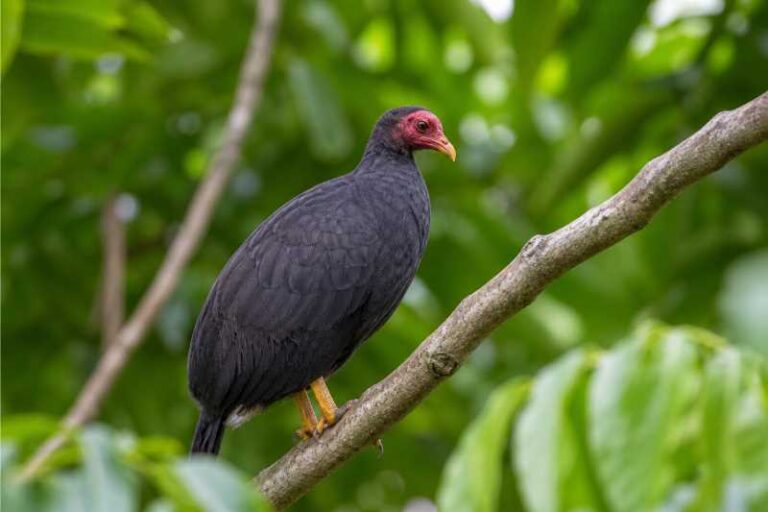
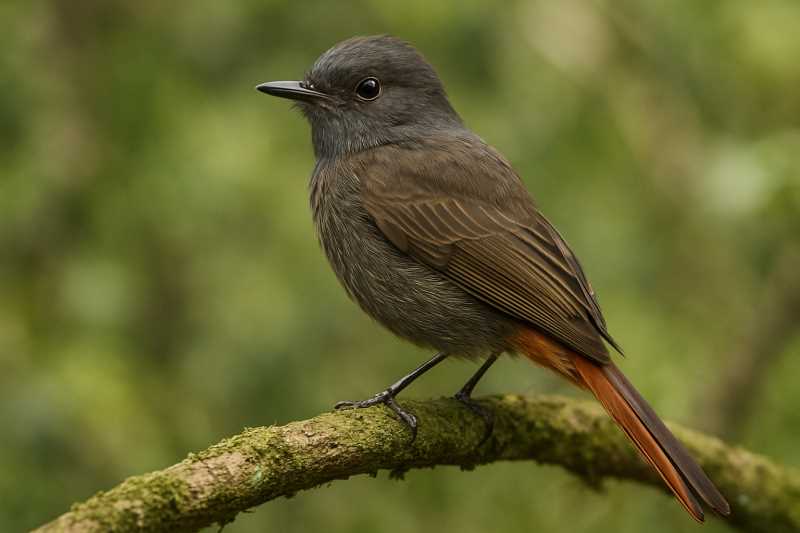
The Rufous-tailed Tyrant measures approximately 15 centimeters in length. It is characterized by its rufous tail, which contrasts with its otherwise dark plumage. Males typically have a more pronounced rufous coloration compared to females, which are generally more subdued in color. This sexual dimorphism is common among bird species and plays a role in mating displays and territorial behavior.
The bird’s beak is relatively short, adapted for its diet primarily consisting of insects. The Rufous-tailed Tyrant’s wings are broad, aiding in its agile flight through dense foliage and open areas alike.
Distribution and Habitat
The Rufous-tailed Tyrant is primarily found in South America, with its range extending across countries such as Colombia, Venezuela, Ecuador, Peru, and Bolivia. It is typically found in subtropical or tropical moist montane forests, favoring altitudes between 1,000 and 3,000 meters.
This bird’s presence in these regions underscores the ecological richness and diversity of the Andean landscapes. The Rufous-tailed Tyrant thrives in both primary and secondary forests, adapting well to different levels of forest disturbance, although it is more commonly associated with undisturbed habitats.
Behavior and Ecology
The Rufous-tailed Tyrant is primarily insectivorous, feeding on a wide variety of insects which it catches in flight. This feeding behavior is characteristic of the tyrant flycatchers and is facilitated by their keen eyesight and agile flight patterns. During foraging, these birds often perch quietly, scanning their surroundings before launching into brief aerial sallies to capture prey.
This species is also known for its territorial behavior, with males often seen engaging in displays to ward off intruders. These displays can include vocalizations, which are relatively simple compared to those of other bird species, and physical posturing using their distinctive tail feathers.
Breeding and Reproduction
Breeding season for the Rufous-tailed Tyrant typically coincides with the rainy season, which ensures a plentiful supply of food for the growing chicks. Nests are usually built in tree branches or clefts in rock faces, constructed from twigs, grass, and other available plant material.
Clutch sizes are generally small, with usually two to three eggs being laid. Both parents participate in incubating the eggs and feeding the chicks, showcasing a cooperative approach to rearing their young.
Conservation Status
Currently, the Rufous-tailed Tyrant is not listed as threatened or endangered. It is classified as Least Concern by the International Union for Conservation of Nature (IUCN). Despite this, habitat destruction due to deforestation and agricultural expansion poses potential threats to its populations, particularly in areas where forest cover is rapidly being lost.
Conservation efforts aimed at preserving montane forest habitats indirectly benefit this species, highlighting the importance of ecosystem-level conservation strategies.
Cultural Significance
In regions where the Rufous-tailed Tyrant is commonly found, it holds cultural significance among indigenous communities. The bird’s presence is often associated with local folklore and is sometimes considered an indicator of environmental health due to its sensitivity to habitat changes.
Conclusion
The Rufous-tailed Tyrant is a testament to the rich avian diversity of the Neotropics. Its adaptability and resilience in various habitats make it an important species for studying the ecological dynamics of montane forests. Continued research and conservation efforts are essential to ensure that this remarkable bird continues to thrive in its natural habitat.
As we deepen our understanding of the Rufous-tailed Tyrant, we gain valuable insights into the complex web of life that sustains our planet’s biodiversity. Protecting such species enriches not only our scientific knowledge but also our cultural and natural heritage.
References
– BirdLife International. “Knipolegus poecilurus.” IUCN Red List of Threatened Species.
– Ridgely, R. S., & Tudor, G. “The Birds of South America: Volume II, The Suboscine Passerines.”
– Stotz, D. F., et al. “Neotropical Birds: Ecology and Conservation.”
Related posts