The Rockrunner: A Hidden Gem of the African Avian World
The Rockrunner (Achaetops pycnopygius), also known as the Damara Rockjumper, is a remarkable bird species endemic to the rocky landscapes of southwestern Africa. This elusive bird, characterized by its unique appearance and intriguing behaviors, is a subject of fascination for ornithologists and bird enthusiasts alike. In this article, we delve into the life of the Rockrunner, exploring its habitat, behaviors, and the conservation efforts dedicated to preserving its population.
Habitat and Distribution
Native to the rugged terrains of Namibia and parts of Angola, the Rockrunner is a master of adaptation, thriving in arid environments that offer little in terms of resources. These birds favor rocky hillsides, outcrops, and dry riverbeds, where they can use their agility to navigate the challenging landscape. The specific habitat preferences of the Rockrunner make it a unique species, as it relies heavily on the availability of rocky terrains peppered with sparse vegetation for nesting and foraging.
The distribution of the Rockrunner is relatively limited, primarily found within the borders of Namibia, with some populations reported in southern Angola. This limited range contributes to its status as a species of interest among conservationists and researchers who aim to ensure its continued survival in the face of environmental changes.
Physical Characteristics
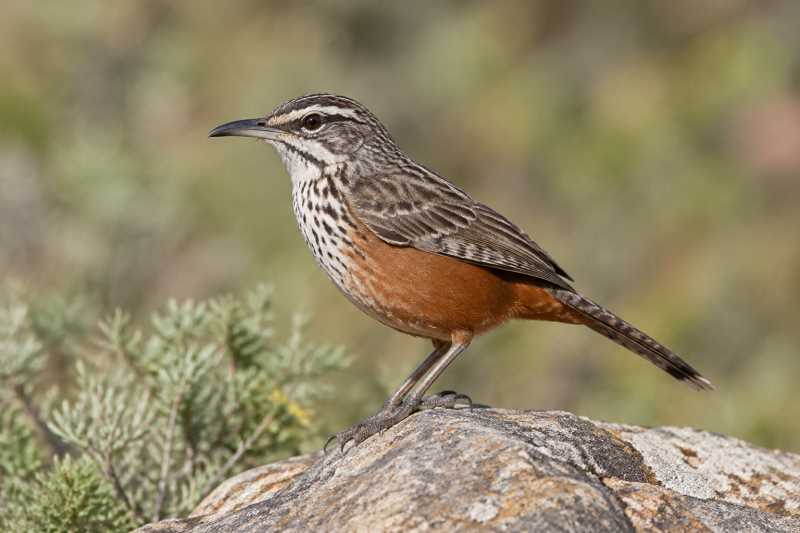
The Rockrunner is a medium-sized bird, measuring approximately 16 centimeters in length. Its plumage is a blend of warm earth tones, allowing it to blend seamlessly into its rocky surroundings. The upper parts are a mix of brown and grey, while its underparts display a gentle buff color. A distinctive feature of the Rockrunner is its long, expressive tail, which it uses adeptly for balance as it maneuvers through its rocky habitat.
Both male and female Rockrunners share similar plumage, making it difficult to distinguish between the sexes in the wild. However, during the breeding season, subtle differences in behavior can be observed, particularly in the males, who become more vocal and territorial.
Behavior and Diet
Rockrunners are known for their energetic and agile movements, darting swiftly among rocks and shrubs in search of food. Their diet primarily consists of insects, spiders, and small invertebrates, which they skillfully extract from crevices and under stones. This insectivorous diet is supplemented occasionally with seeds and small fruits, particularly during times when insect abundance is low.
One of the most fascinating aspects of the Rockrunner’s behavior is its communication. These birds are vocal creatures, often heard before they are seen. Their calls are a series of melodious whistles and chirps, which serve multiple purposes, from attracting mates to establishing territory. During the breeding season, males are particularly vocal, using their calls to ward off potential rivals and to court females.
Breeding and Nesting
The breeding season for Rockrunners typically coincides with the rainy season, when food is more abundant. Pairs are monogamous, with both parents involved in the construction of the nest and the rearing of the young. Nests are usually built in concealed locations, such as crevices between rocks or dense shrubbery, providing protection from predators and harsh weather conditions.
Clutch sizes are generally small, with two to three eggs being the norm. The eggs are incubated for about two weeks, with both parents sharing the responsibility. Once the chicks hatch, they are cared for by both parents until they are ready to fledge, which occurs approximately three weeks after hatching.
Conservation Status and Efforts
Currently, the Rockrunner is classified as a species of "Least Concern" by the International Union for Conservation of Nature (IUCN). However, its restricted range and specialized habitat requirements make it vulnerable to habitat destruction and climate change. The rocky landscapes it inhabits are increasingly threatened by human activities, such as mining and agriculture, which can lead to habitat fragmentation and degradation.
Conservation efforts for the Rockrunner focus on habitat preservation and environmental education. Organizations working in Namibia and Angola emphasize the importance of protecting the rocky outcrops and dry riverbeds that are crucial for the survival of this species. Additionally, birdwatching tourism has been promoted as a sustainable way to generate income for local communities while raising awareness about the importance of avian conservation.
Conclusion
The Rockrunner is a testament to nature’s ability to adapt and thrive in challenging environments. Its unique characteristics and behaviors make it a fascinating subject for study and observation. As conservation efforts continue, it is crucial to ensure that the habitats of the Rockrunner are preserved, allowing future generations to appreciate this remarkable bird and the role it plays in the biodiversity of southwestern Africa.
By understanding and protecting the Rockrunner, we contribute to the broader effort of conserving the rich avian diversity that makes our world so vibrant and dynamic.
Related posts