The Benguela Long-billed Lark: A Beacon of Biodiversity in African Deserts
The Benguela Long-billed Lark (Certhilauda benguelensis) is an extraordinary avian species that thrives in some of the most unforgiving landscapes across Southern Africa. As a member of the Alaudidae family, this bird is notable for its distinctive features and behaviors that make it a subject of interest for ornithologists and nature enthusiasts alike.
Physical Description and Identification
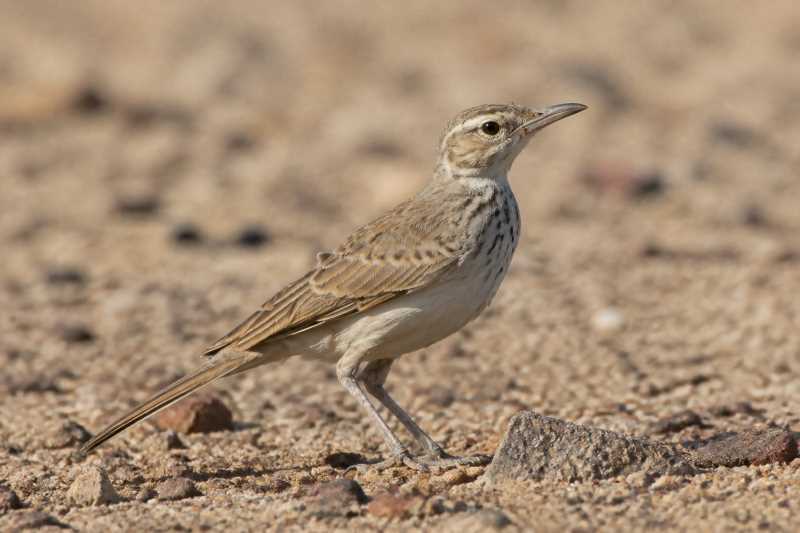
The Benguela Long-billed Lark is characterized by its relatively large size compared to other lark species, with an average length ranging from 16 to 19 cm. Its most striking feature is its long, decurved bill, adapted to forage in its arid habitat. The plumage is predominantly sandy brown, which provides excellent camouflage against the desert landscape. Dark streaks adorn its back and wings, while the underparts are generally paler, with some streaking on the breast.
This lark’s coloration serves a dual purpose: it not only aids in camouflage but also reflects the intense heat of its environment, thus assisting in thermoregulation. The Benguela Long-billed Lark’s legs are sturdy and well-suited for walking on the uneven terrain of its habitat, where it spends most of its time searching for food.
Habitat and Distribution
Endemic to the arid regions of southwestern Africa, the Benguela Long-billed Lark primarily inhabits the coastal and inland deserts of Namibia and southern Angola. It favors open areas with sparse vegetation, including gravel plains, sand dunes, and rocky outcrops. This particular preference for desolate landscapes is a testament to its highly specialized ecological niche.
The species’ range is closely tied to the Benguela Current, an oceanic current that influences the climate and vegetation of the region. The current brings cold, nutrient-rich waters to the surface, impacting the coastal desert ecosystem. The lark’s reliance on this specific habitat underscores its vulnerability to environmental changes.
Behavior and Ecology
The Benguela Long-billed Lark is predominantly terrestrial, spending much of its time on the ground. It is an opportunistic feeder, with a diet consisting mainly of insects, seeds, and small invertebrates. The long bill is a crucial adaptation for probing into the soil and under rocks to extract hidden prey.
Vocalization plays a significant role in the social behavior of this species. The lark is known for its melodious song, which it uses to establish territory and attract mates. Males typically sing from a perch or in flight, showcasing their vocal prowess to potential partners and rivals.
Breeding occurs during the rainy season, which varies depending on the region. Nests are constructed on the ground, often hidden under a bush or among rocks to protect from predators and the harsh sun. The female lays two to three eggs, which are incubated for about two weeks. Both parents participate in feeding the chicks, which fledge approximately two weeks after hatching.
Conservation Status and Threats
Currently, the Benguela Long-billed Lark is classified as Least Concern by the International Union for Conservation of Nature (IUCN). However, its specialized habitat and limited range make it susceptible to threats such as climate change, habitat degradation, and human encroachment.
One of the primary concerns is the impact of climate change on the Benguela Current and the associated ecosystems. Changes in temperature and precipitation patterns could alter the habitat, affecting the availability of food and nesting sites. Additionally, mining activities in the region pose a significant threat by destroying and fragmenting habitats.
Conservation efforts are crucial to ensure the survival of this unique species. Protecting its habitat through the establishment of conservation areas and promoting sustainable land use practices are essential steps. Further research is needed to understand the full impact of environmental changes on the Benguela Long-billed Lark and to develop effective conservation strategies.
Conclusion
The Benguela Long-billed Lark is a remarkable example of nature’s adaptability and resilience. Its existence in the harsh environments of southwestern Africa highlights the intricate balance of ecosystems and the need for vigilant conservation efforts. By understanding and protecting this species, we contribute to preserving the biodiversity of a region that plays a crucial role in the planet’s ecological tapestry.
In conclusion, the Benguela Long-billed Lark serves as a reminder of the delicate interplay between species and their environment. As we continue to study and safeguard this unique bird, we not only protect a single species but also the broader ecological systems that sustain life across the globe.
Related posts