The Rapa Fruit Dove: A Jewel in Avian Biodiversity
In the heart of the Pacific Ocean lies the remote island of Rapa, part of the Austral Islands in French Polynesia. This small, rugged island is not just a picturesque spot; it is the exclusive home to a rare and vibrant bird species known as the Rapa Fruit Dove (Ptilinopus huttoni). This bird, with its striking plumage and unique ecological niche, plays a crucial role in the biodiversity of its limited habitat.
A Glimpse into the Rapa Fruit Dove
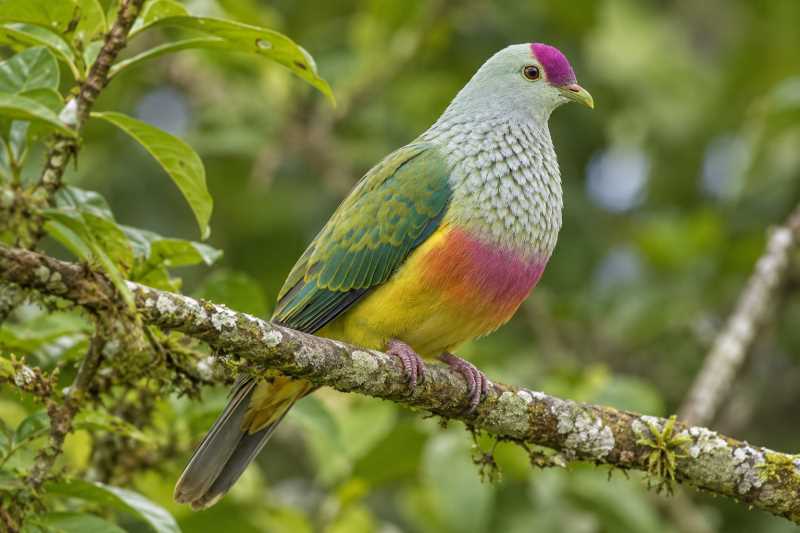
The Rapa Fruit Dove is a medium-sized bird, measuring about 20-22 centimeters in length. It is celebrated for its dazzling appearance—its plumage is primarily a bright green, which offers excellent camouflage among the dense foliage of its habitat. The bird’s head and chest are tinged with a lovely shade of purple, transitioning to a soft gray on the abdomen. Its eyes are a fiery red, adding to its exotic allure.
This bird species is critically endangered, with a population estimate of fewer than 500 individuals. Its current status highlights the importance of conservation efforts to ensure its survival. The Rapa Fruit Dove is not just a symbol of natural beauty but also an indicator of the health of its ecosystem.
Habitat and Ecological Role
The Rapa Fruit Dove exclusively inhabits the island of Rapa, preferring the humid, subtropical forests that cover the island’s steep hillsides and valleys. These forests provide the fruit doves with an abundance of food, primarily consisting of native fruits. The doves play a significant role in the ecosystem as seed dispersers, facilitating the growth of various plant species and maintaining the forest’s health and diversity.
Their foraging behavior is integral to the ecological balance of their habitat. By consuming and subsequently excreting seeds at different locations, they contribute to the regeneration of the forest, ensuring the continuation of the plant species that other animals depend on for survival.
Conservation Challenges
The Rapa Fruit Dove faces numerous threats, primarily from habitat destruction and the introduction of non-native species. Human activities, such as agriculture and the development of infrastructure, have led to significant deforestation on the island. The introduction of invasive species like rats and the Common Myna bird has further exacerbated the decline in the fruit dove population, as these species compete for resources and prey on the doves’ eggs and young.
Conservation efforts are critical to safeguarding the future of the Rapa Fruit Dove. Initiatives focus on habitat restoration, controlling invasive species, and implementing breeding programs to increase the population. Local and international conservation organizations are working together to raise awareness about the plight of this unique bird and the importance of preserving its habitat.
The Importance of Local Engagement
Efforts to protect the Rapa Fruit Dove have underscored the importance of engaging local communities in conservation initiatives. The residents of Rapa play a pivotal role in the success of these programs. By involving local people in habitat restoration projects and educating them about the ecological significance of the fruit dove, conservationists are fostering a sense of stewardship among the island’s inhabitants.
Community-based conservation approaches have proven effective in other regions and offer hope for the Rapa Fruit Dove. By empowering locals and providing them with the resources needed to protect their natural heritage, the chances of long-term success in conserving the Rapa Fruit Dove increase substantially.
Looking Ahead
The future of the Rapa Fruit Dove depends on continued conservation efforts and global awareness. Protecting this bird is not just about saving a single species; it is about preserving an entire ecosystem and the biodiversity it supports. The Rapa Fruit Dove serves as a flagship species for conservation, drawing attention to the broader environmental challenges faced by island ecosystems worldwide.
In conclusion, the Rapa Fruit Dove is a remarkable bird that embodies the beauty and fragility of island ecosystems. Its conservation is a shared responsibility that requires collaboration between local communities, governments, and international organizations. By working together, we can ensure that this vibrant bird continues to grace the forests of Rapa for generations to come.
Related posts