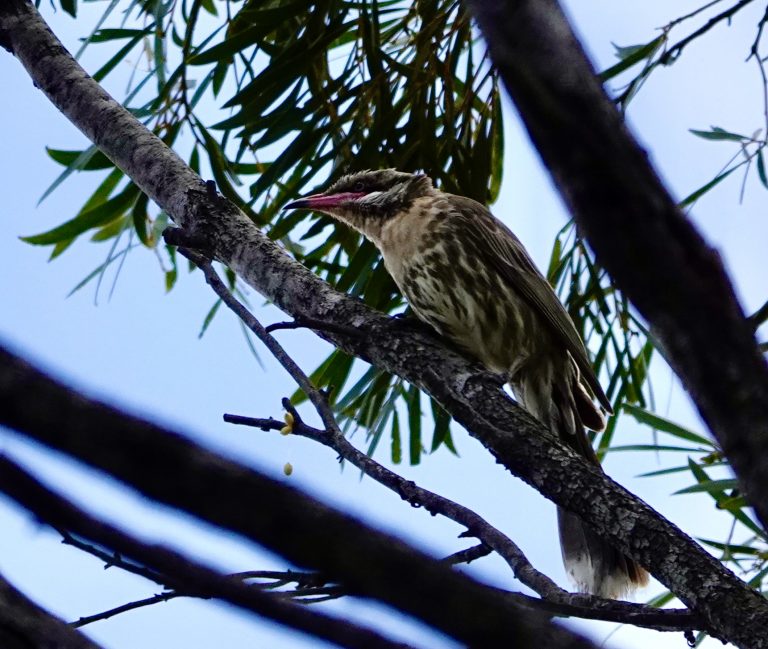
The Enigmatic Pechora Pipit: A Closer Look at an Elusive Songbird
The Pechora Pipit (Anthus gustavi) is a small, yet captivating bird species that belongs to the family Motacillidae. Known for its elusive nature, the Pechora Pipit is primarily found in the remote and expansive peat bogs and tundra regions of northeastern Europe and northern Asia. This article delves into the intriguing characteristics, habitat preferences, migration patterns, and conservation status of this lesser-known avian species.
Characteristics and Identification
The Pechora Pipit is a small passerine bird, measuring about 14-15 cm in length with a wingspan of approximately 22-26 cm. It exhibits a predominantly brown plumage, with distinctive streaks of dark brown and a slightly paler underbelly. This coloration provides excellent camouflage against the earthy tones of its preferred habitats. The Pechora Pipit is often confused with other pipit species due to its similar appearance. However, it can be distinguished by its more prominent supercilium (eyebrow stripe) and the subtle, yet definitive, streaking on its back and flanks.
Vocally, the Pechora Pipit is known for its soft, high-pitched calls, which often go unnoticed against the backdrop of more vociferous bird species. During the breeding season, males exhibit a slightly more animated display flight, accompanied by a series of melodious notes, intended to attract potential mates and defend their territory.
Habitat and Distribution
The Pechora Pipit has a breeding range that extends from the Pechora River basin in northeastern Russia to parts of Siberia and the Russian Far East. It favors damp, open habitats such as peat bogs, marshes, and tundra regions, which provide ample food resources and nesting sites. During the non-breeding season, the Pechora Pipit undertakes an impressive migratory journey, traveling south to wintering grounds in Southeast Asia, including countries such as Thailand, Malaysia, and Indonesia.
Due to its preference for remote and inaccessible habitats, the Pechora Pipit remains one of the least studied pipits, with much of its life history and behavioral ecology still shrouded in mystery. This elusiveness, combined with its impressive migratory capabilities, makes it a fascinating subject for ornithologists and birdwatchers alike.
Migration Patterns
The migration of the Pechora Pipit is a remarkable feat, involving long-distance travel over several thousand kilometers. Typically, these birds depart their breeding grounds in late summer, embarking on a southward journey that takes them across diverse landscapes and climatic zones. Along the way, they rely on a network of stopover sites, where they rest and refuel before continuing their journey to the tropics.
The return migration occurs in spring, with birds arriving back at their breeding sites in May. The exact routes and timings of these migrations are still being studied, with recent advancements in tracking technology providing new insights into the migratory behavior and stopover ecology of this species.
Conservation Status and Threats
The Pechora Pipit is currently classified as a species of Least Concern by the International Union for Conservation of Nature (IUCN). However, like many migratory birds, it faces potential threats from habitat loss and degradation, particularly in its wintering grounds, where deforestation and land conversion continue to reduce available habitat.
Conservation efforts for the Pechora Pipit focus on protecting critical habitats along its migratory route and in its wintering range. International cooperation is essential to ensure the preservation of these habitats, which support not only the Pechora Pipit but also a myriad of other migratory and resident bird species.
Conclusion
The Pechora Pipit stands as a testament to the wonders of avian migration and the intricacies of global ecosystems. While much remains to be learned about this elusive species, ongoing research and conservation efforts offer hope for a future where the Pechora Pipit and its habitats are safeguarded for generations to come. As we deepen our understanding of this remarkable bird, we gain valuable insights into the broader challenges faced by migratory species in our rapidly changing world.
For bird enthusiasts and researchers alike, the Pechora Pipit represents both a challenge and an opportunity to explore the complexities of avian life, migration, and conservation.
Related posts