The Palm-nut Vulture: Nature’s Unique Frugivore Raptor
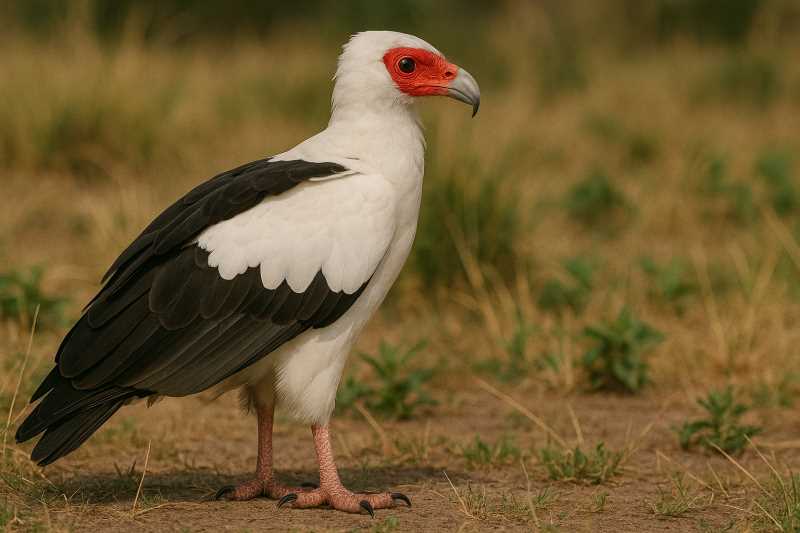
In the lush, tropical landscapes of Africa, where verdant forests stretch endlessly towards the horizon, resides a bird of prey that defies conventional avian norms. This is the Palm-nut Vulture (Gypohierax angolensis), a striking species whose dietary habits and lifestyle set it apart from its more carnivorous relatives. Known for its distinctive white and black plumage, red facial skin, and its penchant for palm nuts, this vulture offers a fascinating glimpse into the diversity of avian adaptation.
Physical Characteristics
The Palm-nut Vulture stands out with its medium size, measuring about 60 cm in length, with a wingspan that can reach up to 150 cm. Both genders are similar in appearance, though females tend to be slightly larger. Its plumage is predominantly white with striking black wings and tail, a contrast that becomes more pronounced during flight. The bare, red facial skin surrounding its eyes lends an almost regal appearance to this bird.
Juveniles, however, sport a brownish hue, gradually transitioning to the striking adult coloration over several years. This transformation reflects their gradual transition from dependence to full maturity, a process that mirrors the vulture’s unique ecological role.
Habitat and Distribution
Palm-nut Vultures are primarily found in the coastal and riverine forests of sub-Saharan Africa, extending from The Gambia and Senegal in the west to Kenya and Tanzania in the east. They thrive in habitats rich with oil palms (Elaeis guineensis), their primary food source. These birds are also adept at living in mangroves, forest edges, and even urban areas, showcasing their adaptability.
Their presence in diverse habitats highlights their role as both scavenger and, uniquely among vultures, a frugivore. The ability to thrive in varied environments underscores the species’ resilience in the face of habitat changes and deforestation.
Dietary Habits and Feeding Behavior
Perhaps the most intriguing aspect of the Palm-nut Vulture is its diet. Unlike other vultures, which primarily feed on carrion, this species has a vegetarian streak. The fruit of the oil palm constitutes a significant part of its diet, a rarity in the raptor world. This preference for palm nuts is complemented by a diet that includes crabs, small mammals, fish, and occasionally carrion.
Palm-nut Vultures are known for their patience and skill in accessing palm nuts. They use their strong beaks to crack open the hard shells, demonstrating both intelligence and dexterity. This dietary flexibility allows them to exploit seasonal abundance, ensuring survival even when other food sources are scarce.
Breeding and Lifecycle
Breeding season for the Palm-nut Vulture typically aligns with the dry season when food resources are more predictable. They are monogamous and often return to the same nesting site year after year. Nests are constructed high in trees or on cliff ledges, providing safety from predators.
The female usually lays a single egg, which both parents incubate for about six weeks. Post-hatching, the chick remains dependent on its parents for several months, a period during which it learns essential survival skills. This extended parental care is crucial for juvenile development, ensuring they can independently forage and thrive in their complex ecosystems.
Conservation Status and Challenges
Currently, the Palm-nut Vulture is classified as Least Concern by the International Union for Conservation of Nature (IUCN). However, like many species, it faces threats from habitat destruction, particularly from deforestation and agricultural expansion. The loss of oil palm trees, crucial to their diet, poses a significant threat to their populations.
Conservation efforts are essential in preserving their habitats and ensuring sustainable palm harvesting practices. Protecting wetland areas and promoting agroforestry practices can provide alternative solutions that benefit both local communities and wildlife.
The Palm-nut Vulture’s Ecological Role
The Palm-nut Vulture plays a vital role in its ecosystem, serving as both a scavenger that helps control animal populations and a seed disperser through its frugivorous habits. This dual role highlights the interconnectedness of species within their habitats and the importance of maintaining biodiversity.
As a living testament to nature’s adaptability, the Palm-nut Vulture stands as a symbol of the delicate balance within ecosystems. Its unique lifestyle and adaptability offer valuable insights into ecological resilience and the intricate dance of survival in the natural world.
In conclusion, the Palm-nut Vulture is not just a fascinating bird of prey but a reminder of the diversity of life and the need to preserve the natural environments that support such unique species. Its continued existence depends on our ability to balance human activities with the needs of the natural world.
This is one of the species covered in our book Vultures and Condors Of The World which is part of our Kings Birds of the world series, and one of the Kings Guides.

Related posts