The Enigmatic Pacific Screech Owl: A Detailed Exploration of Megascops cooperi
Among the myriad of fascinating creatures inhabiting the diverse ecosystems of Central America, the Pacific Screech Owl (Megascops cooperi) holds a special place. With its distinct appearance and captivating behaviors, this small owl has piqued the interest of bird enthusiasts and ornithologists alike. This article delves into the unique characteristics, habitat, and conservation status of this intriguing bird.
Appearance and Identification
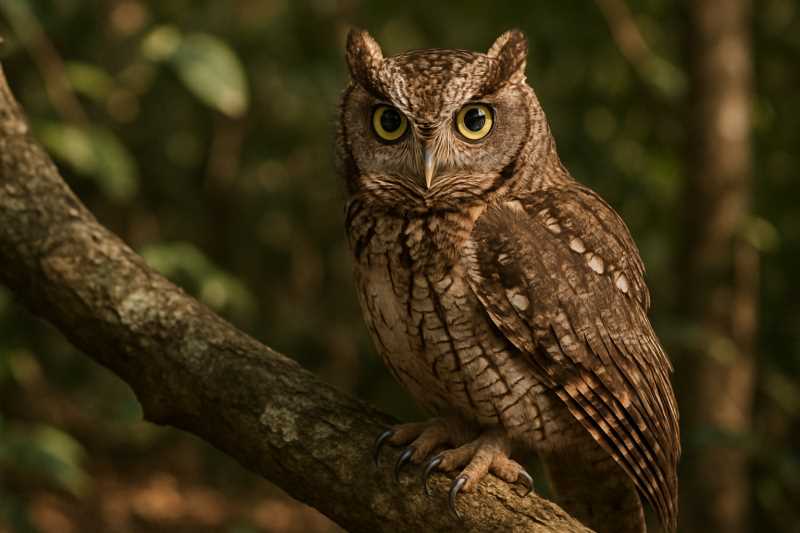
The Pacific Screech Owl is a small to medium-sized owl, typically measuring between 21 to 26 centimeters in length. Its plumage is predominantly mottled gray-brown, providing excellent camouflage against the bark of trees. This cryptic coloration is complemented by striking yellow eyes and prominent ear tufts, which give the owl a perpetually alert expression.
One of the distinguishing features of the Pacific Screech Owl is its facial disk, which is outlined in black and helps in focusing sound towards its ears. This adaptation is crucial for its nocturnal hunting habits. The owl’s wings are broad and rounded, allowing for silent flight, an essential trait for stealthily approaching prey.
Habitat and Distribution
The range of the Pacific Screech Owl extends along the Pacific lowlands from southern Mexico through Central America, including countries like Costa Rica, Nicaragua, and Panama. It thrives in a variety of habitats, from dry deciduous forests and mangroves to urban parks and gardens. This adaptability to different environments is one reason for its relatively stable population.
Despite its adaptability, the Pacific Screech Owl prefers areas with dense foliage, which provide ample cover during the day. These owls are primarily nocturnal, roosting in tree cavities or dense vegetation during daylight hours. At night, they become active hunters, preying on a diverse diet that includes insects, small mammals, and occasionally birds.
Behavior and Breeding
The Pacific Screech Owl is known for its distinctive vocalizations, which include a series of soft, short hoots and trills. These calls are most often heard during the breeding season, which typically occurs from January to June. During this time, males can be observed engaging in elaborate courtship displays, including bowing and wing-flapping, to attract mates.
Nesting typically takes place in tree cavities, often those created by woodpeckers or natural decay. The female lays a clutch of 2 to 4 eggs, which she incubates for about 26 to 30 days. During this period, the male is responsible for hunting and providing food for both the female and the young. Once hatched, the chicks grow rapidly and fledge approximately 4 to 5 weeks later, although they remain dependent on their parents for food for several months.
Conservation Status and Threats
Currently, the Pacific Screech Owl is classified as a species of Least Concern by the International Union for Conservation of Nature (IUCN). This status reflects its broad range and stable population numbers. However, like many wildlife species, it faces threats from habitat destruction, primarily due to deforestation and urban expansion.
Conservation efforts are crucial to ensuring the long-term survival of the Pacific Screech Owl. Protecting natural habitats and promoting sustainable land use practices are vital strategies. Additionally, raising awareness about the ecological importance of owls can help garner public support for conservation initiatives.
Importance in the Ecosystem
The Pacific Screech Owl plays a significant role in its ecosystem as both predator and prey. By controlling populations of insects and small mammals, it helps maintain a balanced ecosystem. Furthermore, as a prey species for larger predators, it contributes to the food web dynamics within its habitat.
The owl’s presence also serves as an indicator of environmental health. Healthy owl populations often reflect a well-functioning ecosystem, highlighting the interconnectedness of biodiversity.
Conclusion
The Pacific Screech Owl, with its captivating presence and ecological importance, is a testament to the rich biodiversity found within the forests of Central America. While currently not at risk, continued efforts in habitat conservation and public education are essential to safeguard its future. For bird enthusiasts and conservationists alike, the Pacific Screech Owl stands as a reminder of the delicate balance within nature and the ongoing responsibility to protect it.
As we strive to understand and preserve such unique species, the Pacific Screech Owl remains a symbol of the natural world’s complexity and beauty, deserving of admiration and protection.
Related posts