Introduction
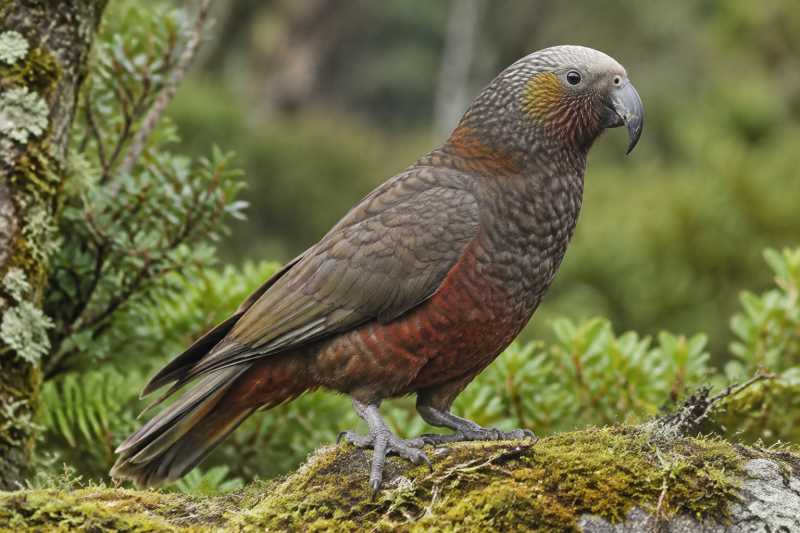
The New Zealand Kaka (Nestor meridionalis) is a fascinating parrot species native to the beautiful landscapes of New Zealand. Known for its vibrant plumage and distinctive calls, the Kaka plays a crucial role in the ecosystem of its native habitats. This article delves into the intriguing world of the Kaka, exploring its habitat, behavior, conservation status, and the efforts being made to ensure its survival.
Taxonomy and Physical Description
Belonging to the family Strigopidae, the Kaka is a medium-sized parrot with two recognized subspecies: the North Island Kaka (Nestor meridionalis septentrionalis) and the South Island Kaka (Nestor meridionalis meridionalis). The Kaka is characterized by its olive-brown plumage, with flashes of crimson and orange under its wings and around its cheeks. Adults typically weigh between 400 to 700 grams and have a length of about 45 centimeters.
Habitat and Distribution
The New Zealand Kaka is primarily found in native forests, where it inhabits dense canopies from lowland to montane regions. The North Island Kaka is more commonly found in the northern and central parts of the North Island, whereas the South Island Kaka resides in the forests of the South Island. These parrots prefer podocarp-broadleaf forests but can also be found in beech forests.
Behavior and Diet
Kakas are diurnal birds, often seen foraging during the day. They are highly sociable and intelligent, exhibiting complex social behaviors. Their diet is diverse, including nectar, fruits, seeds, and invertebrates. Kakas have a unique feeding technique known as ‘bark-stripping,’ where they strip bark from trees to access sap and insects.
Breeding and Lifecycle
Breeding season for the Kaka typically begins in late winter to early spring. They nest in tree cavities, where the female incubates the eggs while the male provides food. Clutch size usually ranges from 4 to 5 eggs, with an incubation period of about 3 weeks. Kaka chicks fledge approximately 10 weeks after hatching, but they remain dependent on their parents for several months.
Conservation Status and Threats
The New Zealand Kaka is currently classified as "At Risk – Recovering" under the New Zealand Threat Classification System. The primary threats to their survival include habitat loss due to deforestation, predation by introduced species such as stoats, possums, and rats, and competition for food resources. Conservation efforts are underway to address these threats, including habitat restoration and predator control programs.
Conservation Efforts
Various organizations and government agencies are actively involved in Kaka conservation. Predator control initiatives, such as trapping and poisoning, have been implemented to protect nesting sites. Additionally, habitat restoration projects aim to improve and expand the natural environment of the Kaka. Community engagement and education programs are also crucial, raising awareness about the importance of preserving the Kaka and its habitat.
The Role of the Kaka in the Ecosystem
Kakas play a vital role in their ecosystem as pollinators and seed dispersers. Their feeding habits help in the pollination of native plants, and their movement through the forest aids in the distribution of seeds, contributing to the regeneration of the forest. The presence of Kaka is often an indicator of a healthy ecosystem.
Cultural Significance
The Kaka holds cultural significance for the indigenous Maori people of New Zealand. It is featured in various myths and legends, symbolizing life and vitality. The Maori name for the Kaka reflects its distinctive call, and the bird is often associated with the forest and nature.
Future Outlook and Research
Ongoing research is essential to better understand the ecology and behavior of the Kaka, informing future conservation strategies. Studies on their breeding patterns, genetic diversity, and population dynamics are critical for their long-term survival. Collaboration between scientists, conservationists, and local communities is vital in ensuring the Kaka thrives in its natural habitat.
Conclusion
The New Zealand Kaka is a remarkable bird that embodies the unique biodiversity of New Zealand. Through dedicated conservation efforts and increased awareness, there is hope that future generations will continue to witness the beauty and brilliance of the Kaka in the wild. Protecting the Kaka is not only about preserving a species but also about maintaining the health and balance of New Zealand’s ecosystems.
Related posts