The Medium Egret: A Graceful Presence in Wetlands
Wetlands around the world are home to a plethora of diverse and captivating wildlife, but few are as striking and emblematic as the medium egret. Known for their elegant stature and pristine white plumage, medium egrets are a vital part of wetland ecosystems. This article explores the characteristics, habitat, behavior, and conservation status of this beautiful bird, highlighting its role in nature and the importance of protecting its environment.
Characteristics and Identification
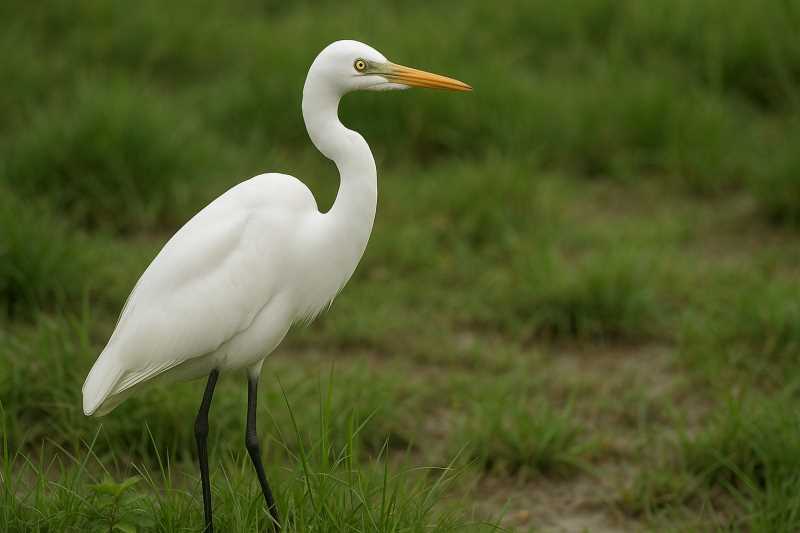
The medium egret, also known as the intermediate egret or Ardea intermedia, is a member of the Ardeidae family, which includes herons, bitterns, and other egrets. This bird is aptly named for its size, which is between that of the larger great egret and the smaller little egret. Medium egrets typically measure around 65–72 cm in length and have a wingspan of approximately 105–115 cm.
Their plumage is entirely white, providing a striking contrast against the lush green and blue hues of their wetland habitats. During the breeding season, medium egrets develop elegant plumes on their back, which are used in mating displays. They possess a long, yellow bill that turns black when they are breeding, along with yellowish-green legs and feet.
Habitat and Distribution
Medium egrets are widely distributed across Africa, Asia, and parts of Australia. They inhabit a range of wetland environments, including freshwater marshes, lakes, rivers, rice paddies, and coastal lagoons. These birds prefer shallow waters where they can wade and forage for food, often seen standing still or stalking slowly through the water as they hunt.
Wetlands are crucial for the medium egret’s survival, providing both feeding grounds and nesting sites. They often nest in colonies alongside other species of herons and egrets, typically building their nests in trees or dense vegetation near water bodies.
Behavior and Diet
Medium egrets are primarily carnivorous and have a diet consisting mainly of fish, amphibians, crustaceans, insects, and small reptiles. Their hunting technique is a testament to their patience and precision; they stand motionless, waiting for prey to come within striking distance, then swiftly spear it with their sharp bill.
Socially, medium egrets are known to be both solitary and gregarious. While they often forage alone or in small groups, they are highly social during the breeding season and can be seen nesting in large colonies. Their courtship displays are a fascinating sight, involving elaborate dances and calls to attract mates.
Conservation and Threats
While the medium egret is currently listed as a species of Least Concern by the IUCN, it faces several threats that could impact its population in the future. Habitat loss due to wetland drainage, pollution, and agricultural expansion poses a significant risk to their habitats. Additionally, climate change and human disturbances can disrupt their breeding and feeding patterns.
Conservation efforts are essential to safeguard the future of the medium egret and other wetland species. Protecting and restoring wetland habitats, enforcing anti-pollution regulations, and raising awareness about the importance of these ecosystems are crucial steps toward ensuring the survival of these graceful birds.
Conclusion
The medium egret is more than just a beautiful creature; it is an integral part of the wetland ecosystems it inhabits. By understanding and appreciating its role in nature, we can better appreciate the delicate balance of these environments and the need to protect them. As we continue to face environmental challenges, fostering a connection with and responsibility for our natural world becomes ever more critical.
In conclusion, the medium egret serves as a reminder of the intricate beauty of nature and the interconnectedness of ecosystems. By safeguarding its habitat and addressing the threats it faces, we can ensure that future generations will continue to witness the elegance and grace of this magnificent bird.
Related posts