Maroon-fronted Parrot (Rhynchopsitta terrisi): A Conservation Priority
The Maroon-fronted Parrot (Rhynchopsitta terrisi) is a spectacular bird species endemic to the Sierra Madre Oriental mountain range in northeastern Mexico. This vibrant parrot is renowned for its striking maroon-colored forehead and unique ecological niche, making it a subject of great interest among ornithologists and conservationists. Despite its beauty and ecological importance, the Maroon-fronted Parrot faces significant threats that have led to its classification as an endangered species. This article delves into the biology, habitat, threats, and conservation efforts surrounding this remarkable bird.
Distinctive Features and Biology
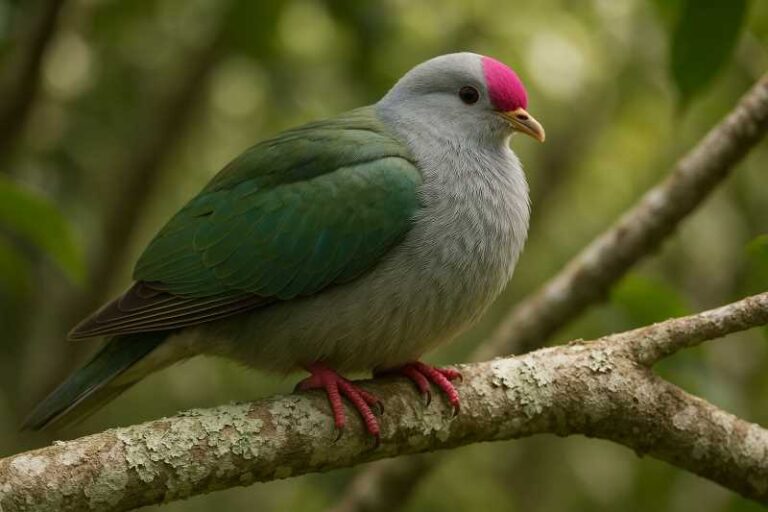
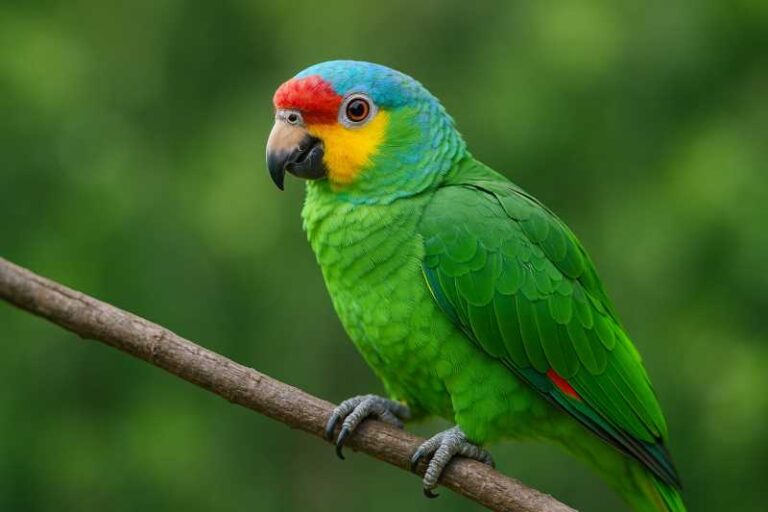
The Maroon-fronted Parrot is a medium-sized parrot, measuring approximately 40-45 cm in length. Its most distinguishing feature is the deep maroon patch on its forehead, which contrasts beautifully with its predominantly green plumage. The wings and tail are adorned with darker green and blue hues, while the bird’s beak is robust and adapted for feeding on its primary diet of pine seeds.
These parrots are highly social creatures, often seen in flocks that can number in the hundreds. They are known for their loud calls, which echo through the mountainous forests they inhabit. The Maroon-fronted Parrot is a cavity nester, typically breeding in colonies located in cliff faces. This nesting behavior is crucial for the species, as it provides protection against many ground-based predators.
Habitat and Distribution
The Maroon-fronted Parrot is endemic to the Sierra Madre Oriental, specifically within the states of Coahuila, Nuevo León, and Tamaulipas in Mexico. It inhabits high-altitude coniferous forests, primarily composed of pine and oak trees. These forests provide not only food but also nesting sites that are essential for the parrot’s reproduction.
The species is highly dependent on mature pine forests, where it feeds predominantly on the seeds of the Mexican pine (Pinus cembroides). The availability of these seeds is critical, as they form the bulk of the parrot’s diet. In addition to pine seeds, the Maroon-fronted Parrot also consumes various fruits, berries, and occasionally insects, allowing it to maintain a balanced diet throughout the year.
Threats to Survival
The Maroon-fronted Parrot faces several threats that have significantly impacted its population. Habitat loss due to deforestation and land-use changes is perhaps the most pressing threat. Logging, agricultural expansion, and urban development have led to the fragmentation and degradation of the parrot’s natural habitat, reducing the availability of both food sources and suitable nesting sites.
Climate change further exacerbates these challenges by altering the distribution of pine forests and affecting the availability of food. Additionally, increased frequency and intensity of wildfires pose a significant risk to both the habitat and the parrots themselves.
Illegal poaching and the pet trade also contribute to the decline of Maroon-fronted Parrot populations. Although protected by law, these birds are sometimes captured and sold illegally, driven by the demand for exotic pets.
Conservation Efforts
Conservation efforts for the Maroon-fronted Parrot have been ongoing for several decades, with various organizations and government agencies working to protect and restore its habitat. The species is listed as endangered on the IUCN Red List, highlighting the urgency of these efforts.
Protected areas have been established within the parrot’s range to safeguard critical habitats. Organizations such as Pronatura Noreste and the Mexican government have collaborated to implement reforestation projects, aiming to restore degraded landscapes and increase the availability of nesting sites.
Community involvement has also been a key component of conservation strategies. Local communities are engaged in sustainable land-use practices and are educated about the importance of conserving the Maroon-fronted Parrot and its habitat. Ecotourism initiatives have been developed to provide economic incentives for conservation, encouraging locals to protect the parrot’s natural environment.
Research and monitoring programs are vital for understanding the population dynamics and ecological needs of the Maroon-fronted Parrot. By tracking changes in population size and distribution, conservationists can develop more effective strategies to mitigate threats and ensure the species’ survival.
Conclusion
The Maroon-fronted Parrot is a symbol of the rich biodiversity found within the Sierra Madre Oriental. Its vibrant plumage and social behavior make it a captivating subject for bird enthusiasts and researchers alike. However, the challenges it faces are a stark reminder of the fragility of our natural world.
Conserving the Maroon-fronted Parrot requires a multifaceted approach that addresses habitat protection, climate resilience, and community engagement. By fostering collaboration among governments, NGOs, local communities, and researchers, we can hope to secure a future for this magnificent species and the ecosystems it inhabits.
Related posts