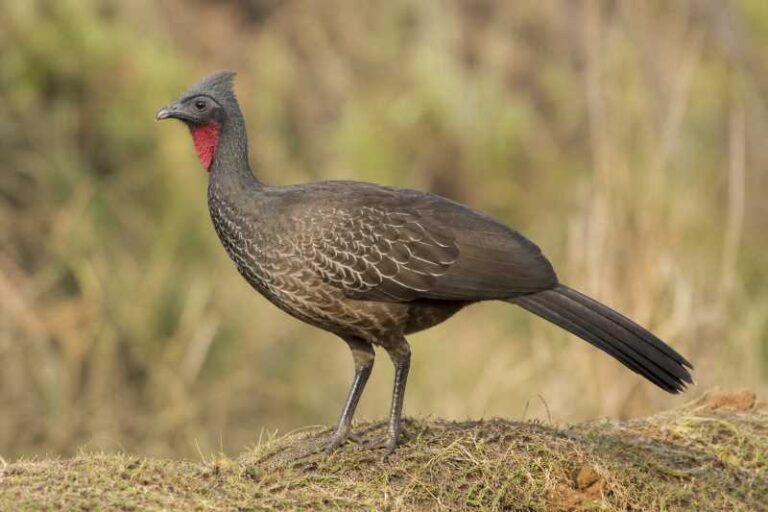
The Fascinating World of the Long-Eared Owl: A Closer Look at Asio otus
The Long-eared Owl (Asio otus) is a captivating species belonging to the Strigidae family, which is renowned for its distinctive features and widespread distribution across North America, Europe, and Asia. This medium-sized owl is characterized by its striking facial disk, long ear tufts, and mottled plumage that provides excellent camouflage in its woodland habitat.
Physical Characteristics
The Long-eared Owl is named for its prominent ear tufts, which are not actually ears but feather tufts that enhance its silhouette. These tufts can be adjusted to communicate mood or to blend into its surroundings. The owl typically measures between 31 to 40 cm in length, with a wingspan ranging from 86 to 100 cm. Its plumage is primarily a mix of brown, grey, and black, with a pale underside marked by streaks, which aids in its stealthy presence among tree branches.
Habitat and Distribution
This species inhabits a variety of environments, primarily favoring open woodlands, coniferous forests, and the edges of forests near open fields. Long-eared Owls are highly adaptable and can also be found in suburban areas and parks. Their range extends across temperate regions of the Northern Hemisphere, from Europe and Asia to North America.
Behavior and Diet
Long-eared Owls are primarily nocturnal hunters, relying on their acute sense of hearing and sharp vision to locate prey in low-light conditions. Their diet mainly consists of small mammals, particularly voles and mice, although they will also consume small birds and insects when available. Silent flight, enabled by specialized feather structure, allows them to approach prey undetected.
These owls are known for their patience and efficiency as hunters. They often perch quietly, waiting to detect the slightest sound of a potential meal, before swooping silently onto their prey.
Breeding and Nesting
Breeding season for the Long-eared Owl typically begins in late winter to early spring. Unlike many other owl species, Long-eared Owls do not build their own nests. Instead, they occupy abandoned nests of other birds, such as crows or magpies. The female lays a clutch of 4 to 6 eggs, which she incubates for about 25 to 30 days, during which time the male provides food.
After hatching, the young owls, known as owlets, remain in the nest for about three to four weeks before they fledge. Even after leaving the nest, the juveniles stay with their parents for several weeks, learning essential survival skills.
Conservation Status
Currently, the Long-eared Owl is classified as Least Concern by the International Union for Conservation of Nature (IUCN). However, like many wildlife species, they face challenges from habitat loss, environmental changes, and human interference. Conservation efforts focus on preserving natural habitats and monitoring population trends to ensure the species remains stable.
Conclusion
The Long-eared Owl is a remarkable bird of prey, with unique adaptations that make it an efficient nocturnal hunter. Its presence in diverse habitats across the globe highlights its adaptability and ecological significance. By understanding and protecting this species, we contribute to the broader efforts of conserving biodiversity and maintaining ecological balance.
As urbanization and environmental changes continue to impact natural habitats, the need for awareness and conservation efforts becomes increasingly vital. The Long-eared Owl serves as a reminder of the intricate beauty and complexity of our natural world, deserving of our respect and protection.
For those interested in observing these enigmatic creatures, maintaining a respectful distance and supporting conservation initiatives are essential steps in ensuring their continued presence in our forests and fields.
The Long-eared Owl not only captivates with its mysterious allure but also plays a crucial role in controlling rodent populations, underscoring its importance within the ecosystem. As we strive to live harmoniously with nature, the Long-eared Owl stands as a symbol of the wild beauty that enriches our planet.
Related posts