Understanding the Long-billed Crombec (Sylvietta rufescens): A Master of Adaptation
The Long-billed Crombec (Sylvietta rufescens) is a small, yet fascinating bird that has captivated the interest of ornithologists and bird watchers alike. This bird belongs to the family Macrosphenidae and is commonly found in sub-Saharan Africa. Its unique physical characteristics and remarkable adaptability to various habitats make it a subject of significant interest in avian studies.
Physical Characteristics and Identification
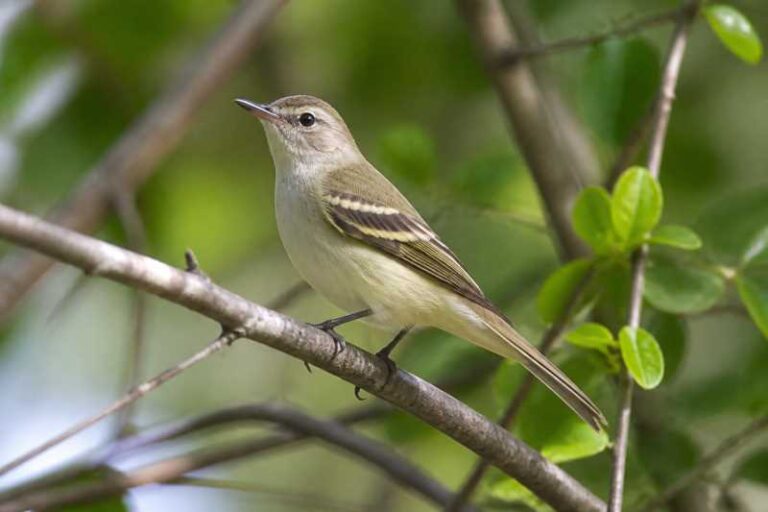
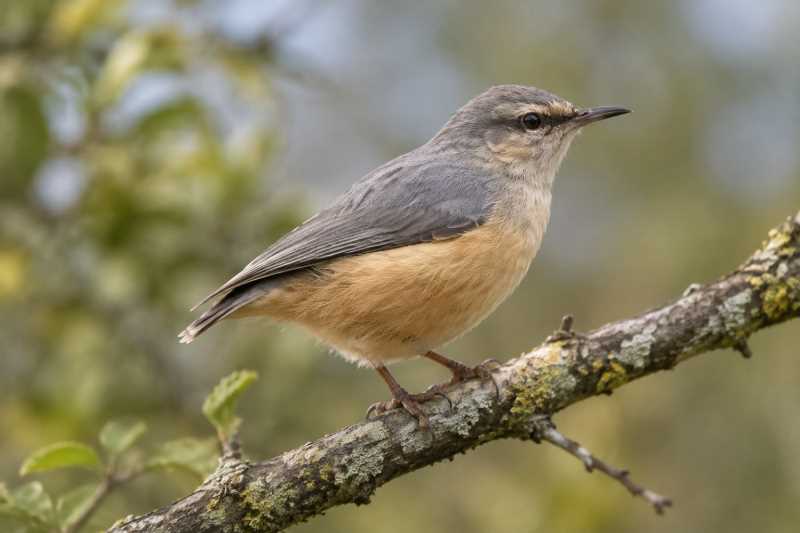
The Long-billed Crombec is a small bird, typically measuring about 10 cm in length. Its body structure is compact, and it lacks a tail, which is quite unusual among birds. This feature contributes to its distinctive silhouette. The plumage of the Long-billed Crombec is predominantly warm brown on the upper parts, while the underparts are a lighter buff or rufous color. A notable feature is its long, slender bill, which is slightly curved downwards, aiding in its foraging habits.
The bird’s legs and feet are also adapted for its arboreal lifestyle, with strong claws that allow it to cling to branches and navigate through dense foliage. The Long-billed Crombec’s eyes are dark, adding to the subtlety of its plumage, which provides excellent camouflage within its natural habitat.
Habitat and Distribution
The Long-billed Crombec is widely distributed across sub-Saharan Africa, from the southern parts of the continent up to the Sahel region. It thrives in a variety of habitats, including savannas, woodlands, thickets, and occasionally in gardens and urban areas. This adaptability to different environments is one of the key factors behind its widespread presence.
The bird prefers areas with dense shrubbery and low trees, where it can forage for insects and other small invertebrates. The Crombec is known for its ability to adapt to changes in its environment, which is crucial for its survival, especially in regions where habitat loss is a concern.
Diet and Foraging Behavior
Primarily insectivorous, the Long-billed Crombec feeds on a variety of insects and arthropods, including beetles, caterpillars, and spiders. Its long, curved bill is perfectly adapted to probing into crevices and among leaves to extract its prey. The Crombec often forages alone or in pairs, but it can also be seen joining mixed-species flocks, which is a common strategy among small birds to increase foraging efficiency and reduce predation risks.
The bird’s foraging technique is characterized by its energetic movement through vegetation. It hops from branch to branch, frequently flicking its wings and tail (or lack thereof) to maintain balance and agility. This method of foraging not only aids in locating prey but also dislodges insects, making them easier to catch.
Breeding and Reproduction
The breeding season of the Long-billed Crombec varies depending on the geographical location and environmental conditions. In general, breeding coincides with the rainy season, when food resources are abundant. The Crombec is known for its unique nesting habits, constructing small, dome-shaped nests from grass, leaves, and spider webs, which are strategically placed in dense foliage to avoid detection by predators.
Typically, the female lays between two to four eggs, which are incubated for about two weeks. Both parents share the responsibility of feeding and caring for the chicks, which fledge approximately two weeks after hatching. The cooperative breeding behavior observed in Crombecs is essential for the survival of the young, as it ensures a steady supply of food and protection.
Conservation Status and Threats
Currently, the Long-billed Crombec is listed as Least Concern by the International Union for Conservation of Nature (IUCN). Its wide distribution and adaptability to different habitats contribute to its stable population. However, like many other bird species, the Crombec faces threats from habitat destruction and climate change.
Deforestation, agricultural expansion, and urbanization are significant factors contributing to habitat loss. While the Crombec has shown resilience to such changes by adapting to altered landscapes, continuous loss of natural habitats could potentially impact its population in the long term. Conservation efforts aimed at preserving natural habitats and promoting sustainable land use practices are vital to ensuring the continued survival of this species.
Conclusion
The Long-billed Crombec is a remarkable example of adaptation and resilience within the avian world. Its unique physical attributes, coupled with its ability to thrive in diverse habitats, make it an intriguing subject for further study. As with many other species, ongoing conservation efforts are crucial to safeguard its future. By understanding and appreciating the ecological role of the Long-billed Crombec, we can contribute to the preservation of biodiversity and the health of ecosystems in which this fascinating bird resides.
Related posts