Lava Heron: A Unique Denizen of the Galápagos Islands
The Galápagos Islands, a UNESCO World Heritage site, are renowned for their unique and diverse wildlife. Among the archipelago’s most fascinating inhabitants is the Lava Heron (Butorides sundevalli), a bird that captivates both ornithologists and nature enthusiasts alike. Endemic to these islands, the Lava Heron is a remarkable example of adaptation and evolution, offering insights into the complex ecosystems of the Galápagos.
Taxonomy and Classification
The Lava Heron belongs to the family Ardeidae, which includes herons, egrets, and bitterns. It is closely related to the Green Heron (Butorides virescens) and the Striated Heron (Butorides striata). However, the Lava Heron is distinct enough to be classified as its own species, Butorides sundevalli. This distinction highlights its unique evolutionary path, shaped by the isolated environment of the Galápagos.
Physical Description
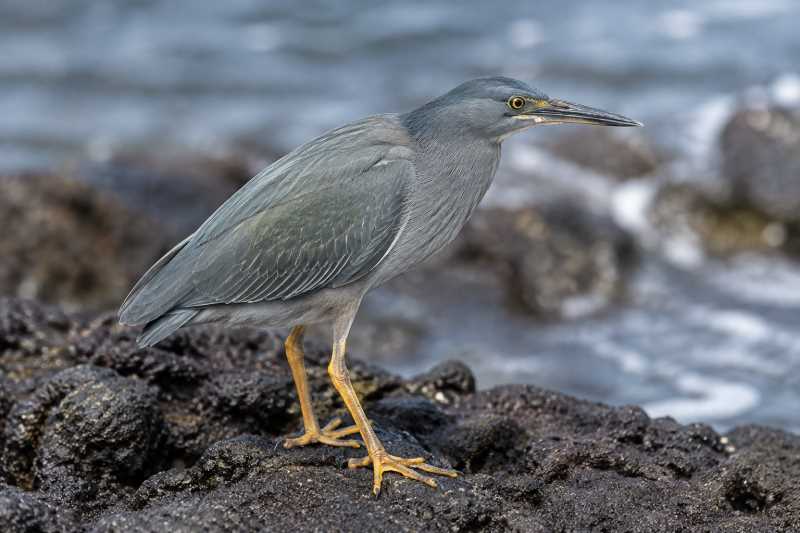
The Lava Heron is a medium-sized bird, typically measuring around 35 to 38 cm in length. It boasts a striking appearance, characterized by its slate-grey plumage, which offers effective camouflage against the rocky, volcanic landscapes of the islands. This coloration not only aids in predator avoidance but also enhances its stealth while hunting. The bird’s yellow eyes and legs provide a stark contrast to its dark feathers, adding to its distinctive look.
Habitat and Distribution
Exclusively found in the Galápagos Islands, the Lava Heron is well-adapted to the archipelago’s varied habitats. It predominantly inhabits coastal areas, mangroves, and rocky shorelines, where it can blend effortlessly with the dark volcanic rocks. This habitat preference is a testament to the heron’s adaptability and its evolutionary integration into the Galápagos environment.
Behavior and Diet
The Lava Heron is a solitary and territorial bird, often seen patrolling its chosen stretch of coastline. It is known for its patience and precision when hunting. Primarily a carnivore, its diet consists mainly of small fish, crabs, and other crustaceans. The heron employs a sit-and-wait strategy, remaining motionless for extended periods before striking with lightning speed to catch its prey.
One of the heron’s most fascinating behaviors is its use of tools, a rare trait among birds. Observations have documented Lava Herons using twigs and other debris to lure fish, showcasing their intelligence and problem-solving capabilities.
Reproduction and Lifespan
Lava Herons are monogamous, with pairs often establishing territories that they defend aggressively against intruders. The breeding season varies depending on food availability but generally occurs when resources are abundant. Nests are constructed from twigs and are typically situated in mangroves or other sheltered areas.
The female lays 2 to 3 eggs, which both parents help incubate over a period of about 21 to 25 days. Once hatched, the chicks are fed by both parents and fledge approximately 30 to 35 days after hatching. The Lava Heron has an average lifespan of about 10 to 15 years in the wild, although this can vary based on environmental conditions and predation pressures.
Conservation Status
Currently, the Lava Heron is classified as Least Concern by the International Union for Conservation of Nature (IUCN). However, like many species in the Galápagos, it faces potential threats from human activity, climate change, and invasive species. Conservation efforts in the region focus on preserving the delicate ecosystems of the islands, which in turn supports the continued survival of the Lava Heron.
Importance to Ecosystem and Human Interest
The Lava Heron plays a crucial role in the ecological balance of its habitat. As a predator of fish and crustaceans, it helps regulate these populations, contributing to the health of the coastal ecosystems. Furthermore, the heron serves as an important subject for scientific research, providing insights into adaptation, behavior, and evolution.
For tourists and wildlife enthusiasts, the Lava Heron is a symbol of the Galápagos’ unique biodiversity. Its presence enhances the allure of the islands, drawing visitors from around the world who are eager to witness its remarkable behavior and stunning habitat.
Conclusion
The Lava Heron is a testament to the extraordinary adaptability and resilience of life on the Galápagos Islands. Its unique characteristics and behaviors underscore the importance of preserving these natural habitats. As we continue to study and protect the Lava Heron, we gain valuable knowledge that can aid in the conservation of other species worldwide. The Lava Heron is not just a bird; it is a vital part of the intricate tapestry that makes the Galápagos Islands a natural wonder.
Ensuring the continued survival of the Lava Heron and its habitat is a shared responsibility, one that requires global awareness and action. As ambassadors of the natural world, it is incumbent upon us to safeguard these remarkable creatures for future generations to appreciate and learn from.
Related posts