The Enigmatic Javan Scops Owl: A Glimpse into the Life of Otus angelinae
In the lush, verdant landscapes of Java, an island rich in biodiversity and cultural history, resides a fascinating and elusive species known as the Javan Scops Owl (Otus angelinae). This small, nocturnal bird of prey, with its distinct appearance and critical ecological role, captures the interest of ornithologists and nature enthusiasts alike. As we delve into the life of the Javan Scops Owl, we uncover its unique characteristics, habitat, behavior, and the pressing conservation challenges it faces.
Physical Characteristics
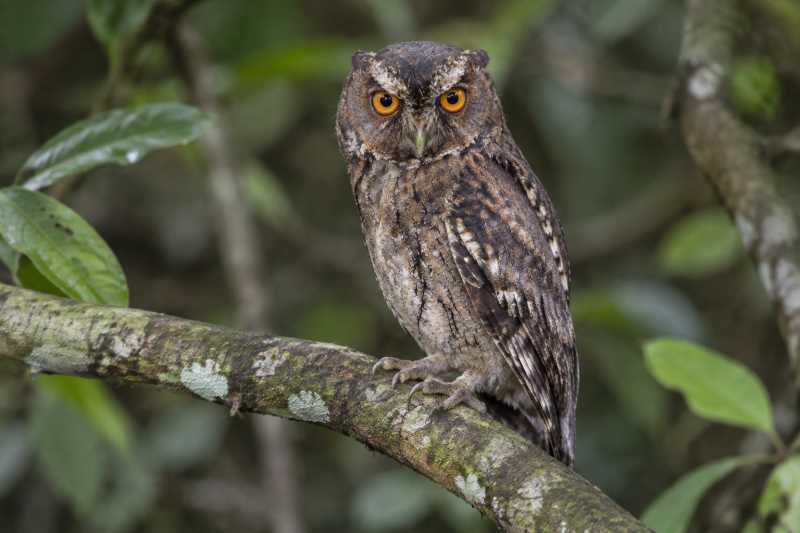
The Javan Scops Owl is a small-sized owl, typically measuring between 19 to 21 centimeters in length and weighing around 100 grams. Its plumage is a blend of earthy tones, primarily mottled browns and grays, which provide excellent camouflage against the bark of trees and forest foliage. One of the most striking features of this owl is its prominent ear tufts, which can be raised or lowered depending on its mood or level of alertness. The owl’s large, forward-facing eyes are adapted for nocturnal hunting, allowing it to spot prey with remarkable precision even in low light conditions.
Habitat and Distribution
Endemic to the Indonesian island of Java, Otus angelinae is predominantly found in subtropical or tropical moist lowland and montane forests. These environments provide the ideal habitat for the Javan Scops Owl, offering abundant prey and ample roosting sites. Unfortunately, the forests of Java are rapidly declining due to deforestation, agricultural expansion, and urban development, which poses a significant threat to the owl’s habitat and survival.
Behavioral Traits
The Javan Scops Owl is primarily nocturnal and solitary, emerging from its daytime roost at dusk to hunt. Its diet mainly consists of insects, small mammals, and occasionally other small birds. With its silent flight and acute sense of hearing, it effectively ambushes prey in the dense undergrowth of its forest home. During the breeding season, males engage in a series of hooting calls to attract females and establish territory. Nesting usually occurs in tree cavities, where the female lays a clutch of 1-2 eggs, and both parents share in the responsibilities of incubation and rearing the young.
Conservation Status
The International Union for Conservation of Nature (IUCN) currently lists the Javan Scops Owl as Near Threatened. The primary threats to its survival are habitat loss and degradation, which are driven by logging activities and the conversion of forested areas into farmland and urban spaces. Conservation efforts are critical in ensuring the survival of this species. Preservation of its natural habitat through sustainable land-use practices and the establishment of protected areas is vital. Additionally, raising public awareness and involving local communities in conservation efforts can help mitigate the adverse impacts of human activities on the Javan Scops Owl’s habitat.
The Role of Javan Scops Owl in Ecosystems
As a predator, the Javan Scops Owl plays a crucial role in controlling the populations of small mammals and insects, thereby maintaining a balanced ecosystem. It indirectly influences the health of vegetation by regulating the population of herbivorous insects and rodents. This balance helps prevent overgrazing and supports the regeneration of plant life, which is essential for the overall health of the forest ecosystem.
Conclusion
The Javan Scops Owl is a remarkable species that embodies the rich biodiversity and ecological complexity of Java’s forests. Despite the challenges it faces, there is hope for its conservation if decisive actions are taken to protect its habitat and engage local communities in sustainable practices. By appreciating and understanding the importance of species like Otus angelinae, we take a step towards preserving the intricate tapestry of life that sustains our planet.
As we continue to explore and document the wonders of our natural world, the story of the Javan Scops Owl serves as a poignant reminder of the delicate balance that exists between humans and nature, urging us to act as stewards of the environment for the benefit of all living beings.
Related posts