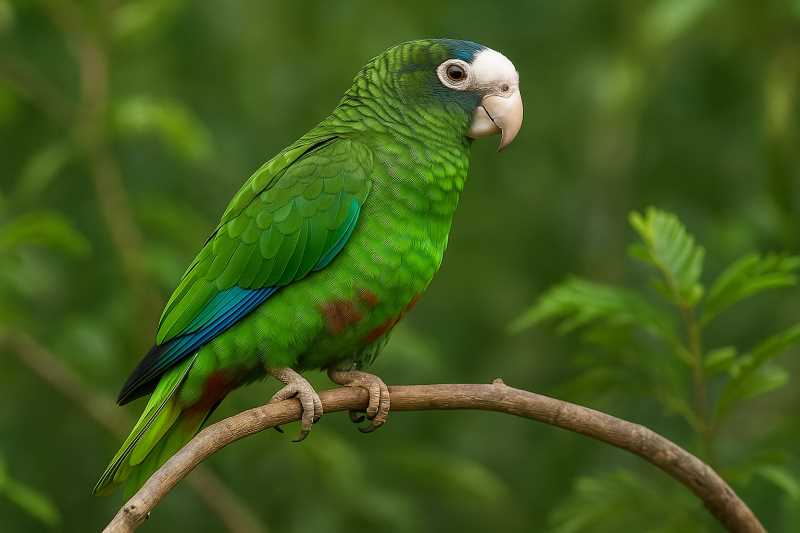
The Hispaniolan Amazon, also known as the Hispaniolan Parrot or Amazona ventralis, is a captivating bird species native to the island of Hispaniola, which is shared by the Dominican Republic and Haiti. Known for its vibrant plumage and engaging personality, this parrot is a beloved symbol of the Caribbean’s rich biodiversity and a vital component of the island’s natural heritage.
Physical Characteristics
The Hispaniolan Amazon is a medium-sized parrot, measuring approximately 28 centimeters in length. Its striking plumage is predominantly green, with a distinctive white forehead and cheeks, contrasting beautifully with the red patches on its throat and belly. The wings showcase a splash of blue and red, adding to its colorful appearance. The bird’s tail is short and square, featuring a mix of green and blue hues.
Habitat and Distribution
The Hispaniolan Amazon’s natural habitat includes lowland forests, subtropical or tropical dry forests, and moist montane forests. They are typically found at altitudes ranging from sea level to 3,000 meters. These parrots are highly adaptable and can also be spotted in secondary forests, plantations, and agricultural lands. Despite their adaptability, habitat loss due to deforestation and land conversion for agriculture poses a significant threat to their population.
Behavior and Diet
Hispaniolan Amazons are social birds, often seen in pairs or small flocks. They are known for their loud, raucous calls, which serve as a means of communication among flock members. These parrots are highly intelligent and exhibit playful behavior, often engaging in acrobatic feats among the tree canopies.
Their diet primarily consists of seeds, fruits, nuts, berries, and flowers. They play a crucial role in their ecosystem by dispersing seeds, thus contributing to the health and regeneration of their habitat. During the breeding season, which typically occurs from March to July, these parrots nest in tree cavities. The female lays two to four eggs, which she incubates for around 26 days while the male provides food.
Conservation Status
The Hispaniolan Amazon is currently classified as Vulnerable by the International Union for Conservation of Nature (IUCN). The primary threats to their survival include habitat destruction, illegal pet trade, and hunting. Conservation efforts are underway to protect these birds, including habitat restoration, legal protection, and captive breeding programs. Organizations such as the Hispaniolan Ornithological Society are actively involved in conservation initiatives, aiming to raise awareness and support for the preservation of this species.
Cultural Significance
In addition to their ecological importance, Hispaniolan Amazons hold cultural significance in the regions they inhabit. They are often depicted in local art and folklore, symbolizing freedom and the vibrant life of the Caribbean. The parrot’s striking appearance and charismatic behavior make it a popular subject in ecotourism, drawing birdwatchers and nature enthusiasts from around the world.
Conclusion
The Hispaniolan Amazon is a remarkable species that embodies the rich biodiversity of the Caribbean. While they face significant challenges, ongoing conservation efforts provide hope for their future. By promoting sustainable practices and raising awareness, we can contribute to the preservation of these beautiful birds and the ecosystems they inhabit. Protecting the Hispaniolan Amazon is not only crucial for maintaining ecological balance but also for preserving the cultural heritage of the Caribbean region.
Related posts