The Grey-cheeked Parakeet: A Comprehensive Overview
Introduction
The Grey-cheeked Parakeet, scientifically known as Brotogeris pyrrhoptera, is a captivating bird species found primarily in the tropical regions of South America. Known for its vibrant plumage and engaging behavior, this parakeet is of significant interest to ornithologists and bird enthusiasts alike. Despite their charming appearance, these birds face various environmental challenges that threaten their survival. This article will delve into the taxonomy, habitat, behavior, conservation status, and the role of the Grey-cheeked Parakeet in ecosystems.
Taxonomy and Classification
The Grey-cheeked Parakeet belongs to the Psittacidae family, which encompasses a diverse range of parrot species. As a member of the Brotogeris genus, it shares common characteristics with other small parakeets, including a streamlined body and a relatively short tail. The species was first described in the early 19th century, and its classification has been refined over the years as more information about its genetics and behavior has become available.
Physical Description
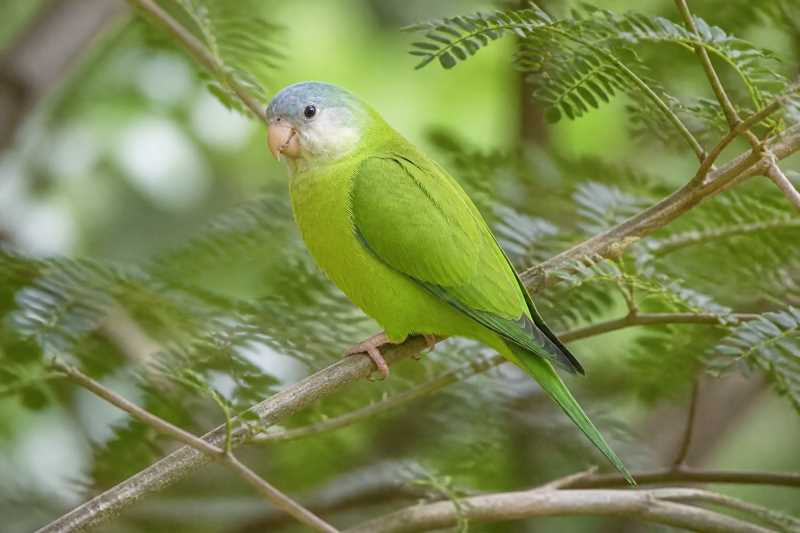
The Grey-cheeked Parakeet is a small bird, measuring approximately 22 centimeters in length. Its plumage is predominantly green, with a distinctive grey patch on the cheeks, which gives the bird its common name. The wings exhibit a striking blue hue, and the tail feathers are tinged with a subtle yellow. The parakeet’s beak is robust and slightly curved, adapted for cracking seeds and nuts, which comprise the bulk of its diet.
Natural Habitat
Grey-cheeked Parakeets are primarily found in the lowland forests of western Ecuador and northwestern Peru. They inhabit both primary and secondary forests, demonstrating a degree of adaptability to different forest types. These birds prefer areas with abundant food resources and are often observed in small flocks. Their habitat selection is influenced by the availability of nesting sites and the presence of fruit-bearing trees.
Behavior and Social Structure
These parakeets are highly social birds, often seen in flocks ranging from small family groups to larger congregations. Their social structure is characterized by complex interactions, including vocal communication and mutual preening. Grey-cheeked Parakeets are known for their playful behavior, often engaging in acrobatic displays both in the wild and in captivity. Their vocalizations are varied and include a range of chirps and squawks, used to communicate with flock members and signal alarm.
Diet and Foraging
The diet of the Grey-cheeked Parakeet is primarily composed of seeds, fruits, and nuts. These birds are opportunistic feeders, taking advantage of seasonal variations in food availability. In the wild, they have been observed foraging on the forest floor as well as in the canopy, demonstrating a high level of adaptability in their feeding habits. In captivity, their diet can be supplemented with vegetables and commercially available parrot food to ensure adequate nutrition.
Reproduction and Lifespan
Grey-cheeked Parakeets typically breed once a year, with the breeding season coinciding with periods of food abundance. They are cavity nesters, often utilizing natural tree hollows or abandoned woodpecker nests. The female lays between three to five eggs, which she incubates for about 24 days. Both parents are involved in feeding and caring for the chicks, which fledge approximately six weeks after hatching. In the wild, the average lifespan of these parakeets is around 10 to 15 years, although they can live longer in captivity with proper care.
Conservation Status and Threats
The Grey-cheeked Parakeet is currently classified as Near Threatened by the International Union for Conservation of Nature (IUCN). The primary threats to their survival include habitat loss due to deforestation and agricultural expansion, as well as capture for the illegal pet trade. Conservation efforts are focused on habitat preservation and the enforcement of laws to curb illegal trade practices. Public awareness campaigns are also crucial in reducing demand for wild-caught parakeets.
Role in Ecosystems
As seed dispersers, Grey-cheeked Parakeets play an essential role in maintaining the health of their forest habitats. By consuming and subsequently dispersing seeds, they contribute to the regeneration of plant species and the overall biodiversity of the ecosystem. Their presence is an indicator of a healthy forest environment, and their decline can signal broader ecological issues.
Conclusion
The Grey-cheeked Parakeet is a remarkable species that highlights the beauty and complexity of avian life in South America. While they face significant challenges, ongoing conservation efforts offer hope for their future. By understanding their ecological importance and the threats they face, we can work towards ensuring the survival of this vibrant parakeet species for generations to come.
References
- BirdLife International. (2023). Grey-cheeked Parakeet (Brotogeris pyrrhoptera). Retrieved from BirdLife International
- Forshaw, J. M. (2010). Parrots of the World. Princeton University Press.
- Juniper, T., & Parr, M. (1998). Parrots: A Guide to Parrots of the World. Yale University Press.
Related posts