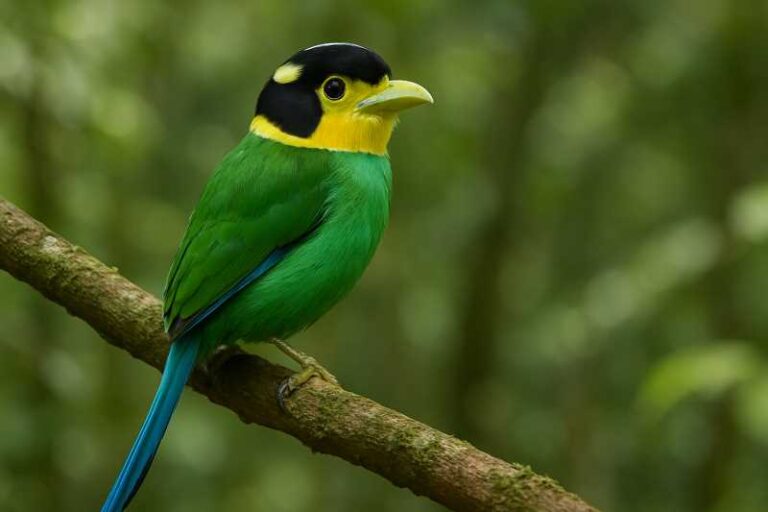
The African Pipit (Anthus cinnamomeus), a modestly plumaged but vocally rich bird, is a widespread and often underappreciated species of open grasslands and savannas across sub-Saharan Africa. Though it may appear inconspicuous at first glance, its delicate song, fluttering flight displays, and adaptability to diverse habitats make it an essential part of the African birdscape. For ornithologists and birdwatchers alike, the African Pipit offers a rewarding challenge in identification and observation, especially among its many closely related cousins.
Description and Identification
The African Pipit is a small, slender bird measuring about 15–17 cm in length, with long legs and a long tail often wagged up and down. Its plumage is cryptically coloured in shades of brown and buff, helping it blend seamlessly with the grassy environments it favours. The upperparts are streaked dark brown, while the underparts are pale with variable amounts of streaking on the breast and flanks.
A key identification feature is its fine bill, pale supercilium (eyebrow stripe), and relatively plain face compared to some other pipit species. The legs are usually pinkish to pale brown. Due to its subtle coloration and similarity to other pipits—such as the Long-billed, Plain-backed, and Mountain Pipit—careful attention to structure, habitat, and vocalisations is often required for accurate identification.
Taxonomy and Subspecies
The taxonomy of the African Pipit has undergone revisions, and it was previously considered conspecific with the Richard’s Pipit (Anthus richardi) of Asia. Today, Anthus cinnamomeus is recognised as a distinct species, and further genetic studies suggest that it may represent a species complex with several subspecies or potentially cryptic species within its range.
Across Africa, multiple subspecies have been described, differing slightly in size, plumage tone, and the amount of streaking. This geographic variation further challenges identification and makes the African Pipit a subject of ongoing ornithological study.
Distribution and Habitat
The African Pipit is found throughout sub-Saharan Africa, from Senegal in the west to Ethiopia in the east, and as far south as South Africa and Namibia. It occupies a wide range of open-country habitats, including:
- Grasslands and savannas
- Cultivated lands and pastures
- Burned or fallow fields
- Airstrips and roadsides
It favours areas with short to medium-height grasses and avoids densely vegetated or forested regions. Its ability to adapt to both natural and human-modified landscapes has helped maintain its widespread distribution.
Behaviour and Song
African Pipits are typically seen singly or in pairs, walking briskly on the ground in search of insects. Their movements are purposeful, often accompanied by tail wagging and occasional short flights. When disturbed, they fly low and directly before settling again, sometimes using a nearby perch like a rock or fence post.
A notable behavioural trait is their aerial display flight, particularly during the breeding season. Males ascend steeply with fluttering wings, singing as they rise, and then parachute down slowly while continuing their song. This display flight, combined with the bird’s distinctive vocalisations, is one of the best ways to identify the species.
The song is a musical and varied series of whistles and trills, often described as sweet and fluid. It may include mimicry of other species and is delivered from the air or a raised perch.
Diet and Foraging
African Pipits primarily feed on insects and other invertebrates, such as beetles, grasshoppers, ants, and caterpillars. They forage by walking along the ground, picking prey items from the surface or probing into the soil. In cultivated areas, they may benefit from disturbed ground and access to a wide range of prey species.
Breeding and Nesting
Breeding occurs during the wet season, which varies depending on location. The nest is a neat cup of grass and plant material, usually placed in a shallow depression on the ground, often well hidden among tufts of grass.
The female typically lays 2 to 4 eggs, which are incubated for about 12–14 days. Both parents feed the chicks, which fledge in approximately 2 weeks. The species may raise more than one brood per season in areas with extended periods of rainfall.
Conservation Status
The African Pipit is listed as Least Concern by the IUCN Red List. It has a broad range and is considered common to locally abundant in suitable habitats. Though localized threats such as overgrazing, pesticide use, and habitat conversion can impact populations, the species’ adaptability and resilience have helped maintain its numbers across much of its range.
Conservation efforts focused on maintaining healthy grassland ecosystems will benefit African Pipits, along with numerous other ground-dwelling bird species.
Conclusion
Though it may lack the flamboyant colours of Africa’s more famous birds, the African Pipit is a marvel of subtle beauty, behaviour, and song. With its far-reaching range, understated charm, and melodic voice, this pipit continues to enrich the soundscape and ecological balance of African grasslands. For birders and researchers alike, its presence offers both a delight and a challenge—quiet, but never dull.
Related posts