Grey-backed Tachuri: A Comprehensive Overview
The Grey-backed Tachuri (Polystictus superciliaris) is a captivating species of bird that has intrigued ornithologists and birdwatchers alike. Found primarily in South America, this small passerine bird is a member of the Tyrannidae family, which encompasses a vast range of tyrant flycatchers. Despite its modest size, the Grey-backed Tachuri plays a significant role in the ecosystems it inhabits, and its unique behaviors and characteristics make it a fascinating subject for study.
Distribution and Habitat
The Grey-backed Tachuri is predominantly found in the grasslands and savannas of South America. Its range extends across countries such as Argentina, Brazil, Paraguay, and Uruguay. The species thrives in open areas, often near water bodies, where it can easily hunt for insects. The preference for such habitats underscores the bird’s adaptability and its reliance on specific ecological conditions that support its feeding and nesting requirements.
Physical Characteristics
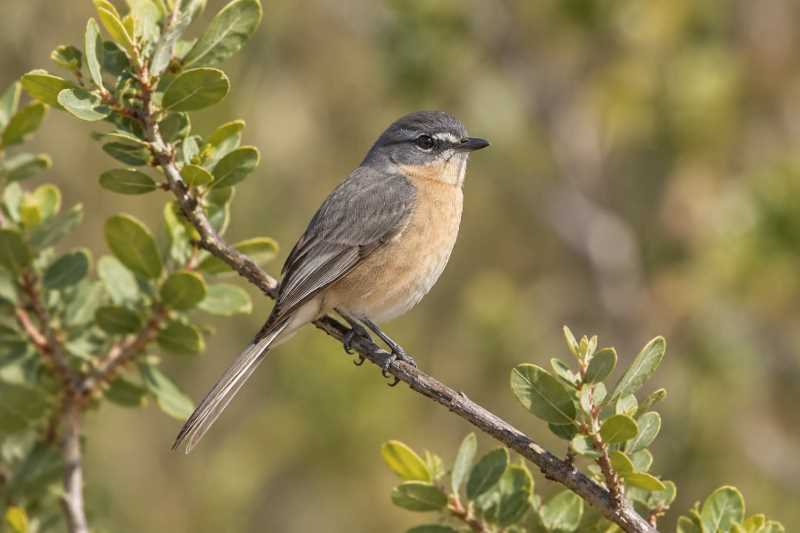
This diminutive bird measures approximately 10 centimeters in length and weighs between 6 to 8 grams. The Grey-backed Tachuri is characterized by its grey upperparts and distinctive white supercilium – a stripe that extends from the base of the bill above the eye, giving it a distinctive appearance. Its underparts are generally a pale yellow, providing a subtle contrast to its darker back. The delicate structure and coloration of the Grey-backed Tachuri make it well-suited to its environment, offering both camouflage and a charming aesthetic.
Behavior and Diet
The Grey-backed Tachuri is an insectivorous bird, primarily feeding on a variety of small insects. It employs a ‘sallying’ technique, where it perches on a vantage point and darts out to catch prey mid-air. This method of foraging is typical among flycatchers and highlights the bird’s agility and keen eyesight. Additionally, the Tachuri may also glean insects from foliage or the ground, showcasing its adaptability in feeding strategies.
Socially, the Grey-backed Tachuri is often seen alone or in pairs. During the breeding season, which varies geographically, these birds engage in intricate courtship displays. Males are known for their distinctive songs, which play a crucial role in attracting mates and defending territory. The nesting process involves building a small cup-shaped nest, often placed low in vegetation, where the female lays a clutch of two to three eggs.
Conservation Status
As of the latest assessments, the Grey-backed Tachuri is classified as Least Concern by the International Union for Conservation of Nature (IUCN). However, habitat loss due to agricultural expansion and land conversion poses a potential threat to its populations. Conservation efforts focus on habitat preservation and promoting sustainable land-use practices. Organizations working in the region aim to balance human activities with the preservation of these vital ecosystems, ensuring a stable future for the Grey-backed Tachuri and other endemic species.
Importance in Ecosystem
The ecological role of the Grey-backed Tachuri extends beyond its immediate environment. As an insectivore, it helps control insect populations, contributing to the ecological balance within its habitat. Moreover, as prey for larger birds and mammals, it forms an integral part of the food web. Understanding the Grey-backed Tachuri’s role in these processes is essential for appreciating the interconnectedness of species within an ecosystem.
Research and Observation
Ongoing research into the behavior and ecology of the Grey-backed Tachuri provides valuable insights into the adaptive strategies of small passerine birds. Birdwatchers and ornithologists continue to study this species to better understand its migratory patterns, breeding behaviors, and habitat preferences. Technological advancements, such as GPS tracking and bioacoustic monitoring, have facilitated more detailed observations, enhancing our knowledge and informing conservation strategies.
Conclusion
The Grey-backed Tachuri, with its subtle beauty and ecological significance, remains an important subject for both scientific inquiry and conservation efforts. Protecting its habitat ensures the survival of not only this species but also the broader ecological communities that depend on the delicate balance of grassland and savanna ecosystems. As research continues to unfold, the Grey-backed Tachuri will undoubtedly offer further revelations about the complexities of avian life in South America.
By fostering awareness and promoting sustainable practices, we can contribute to the preservation of this remarkable bird, securing its place in the rich tapestry of our natural world.
Related posts