The Green-throated Mountaingem: A Jewel of the Highlands
The Green-throated Mountaingem (Lampornis viridipallens) is a captivating species of hummingbird that enchants bird enthusiasts and ornithologists alike. Renowned for its vibrant plumage and vital role in the ecosystem, this bird is predominantly found in the mountainous regions of Central America. This article explores the Green-throated Mountaingem’s unique characteristics, habitat, and its importance in biodiversity conservation.
Physical Characteristics
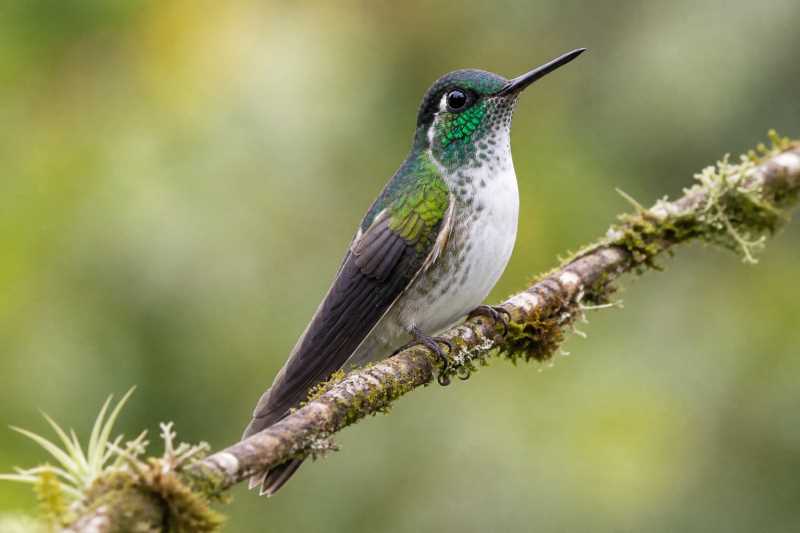
The Green-throated Mountaingem is a medium-sized hummingbird, measuring approximately 10 to 12 centimeters in length. Its most striking feature is the iridescent green throat patch, which shimmers in sunlight, lending the bird its name. The rest of its plumage is equally impressive, with a combination of bright greens and whites that provide effective camouflage amidst forest foliage. Males and females can be distinguished by their plumage: males display a more vivid green throat and crown, whereas females tend to have a more subdued color palette.
The bird’s slender, slightly curved bill is perfectly adapted for nectar-feeding, allowing it to access the deep tubes of flowers. Its wings beat rapidly, enabling agile flight and hovering capabilities that are characteristic of hummingbirds.
Habitat and Distribution
The Green-throated Mountaingem is primarily found in the cloud forests and montane regions of countries like Honduras, Nicaragua, and Costa Rica. These environments, characterized by high humidity and dense vegetation, provide abundant food sources and shelter for the species. The bird typically resides at altitudes ranging from 1,000 to 2,500 meters, where the climate is cooler and precipitation is frequent.
These mountainous regions are not only critical for the survival of the Green-throated Mountaingem but also for countless other species that rely on such habitats. The cloud forests are incredibly biodiverse, hosting a wide array of flora and fauna, many of which are endemic and threatened by habitat destruction.
Feeding and Behavior
The Green-throated Mountaingem has a diet primarily composed of nectar, which it sources from a variety of flowering plants. It plays a crucial role in pollination, as it moves from flower to flower, inadvertently transferring pollen. This ecological service is vital for the reproduction of many plant species and helps maintain the health and diversity of its ecosystem.
In addition to nectar, the bird supplements its diet with small insects and spiders, which provide essential proteins. This opportunistic feeding behavior is important for its survival, especially during periods when nectar is scarce.
Green-throated Mountaingems are territorial creatures, often defending their feeding grounds aggressively from other hummingbirds and insects. Their territories are strategically established around rich nectar sources, ensuring a steady food supply.
Reproduction and Life Cycle
Breeding for the Green-throated Mountaingem typically occurs during the wet season when food is plentiful. The female is responsible for constructing the nest, which is often built in a sheltered area using moss, lichen, and spider silk. These nests are small but sturdy, providing a safe environment for the eggs.
A typical clutch consists of two eggs, which the female incubates for about 15 to 19 days. After hatching, the chicks are altricial, meaning they are born blind and featherless, requiring significant parental care. The female solely tends to the young, feeding them regurgitated food until they fledge after approximately three weeks.
Conservation Status and Challenges
Currently, the Green-throated Mountaingem is not listed as threatened, but it faces several challenges that could impact its population in the future. Habitat destruction due to deforestation for agriculture, logging, and urban expansion poses a significant threat to its natural environment.
Climate change also presents a looming challenge, as alterations in temperature and precipitation patterns can affect the availability of food resources and suitable habitats. Conservation efforts aimed at protecting cloud forests are crucial for the survival of this species and the biodiversity they support.
Importance in Biodiversity Conservation
Preserving the Green-throated Mountaingem is integral to maintaining the ecological balance within its habitat. As a pollinator, it contributes to the reproductive success of various plant species, which in turn support other wildlife. Protecting this bird helps safeguard the broader ecosystem, highlighting the interconnectedness of species and the importance of biodiversity.
In conclusion, the Green-throated Mountaingem is not only a stunning example of avian beauty but also an essential player in its ecosystem. Conservation efforts to protect its habitat are paramount, ensuring that future generations can continue to admire this remarkable bird in its natural setting.
Related posts