The Enigmatic Grass Wren: An In-Depth Exploration
The Grass Wren, a member of the family Troglodytidae, is a small passerine bird that captures the interest of ornithologists and bird watchers alike. Known for its elusive nature and melodious song, the Grass Wren thrives in a variety of grassland and marsh environments across different continents. This article delves into the unique characteristics, habitat preferences, and conservation status of this fascinating avian species.
Physical Characteristics and Behavior
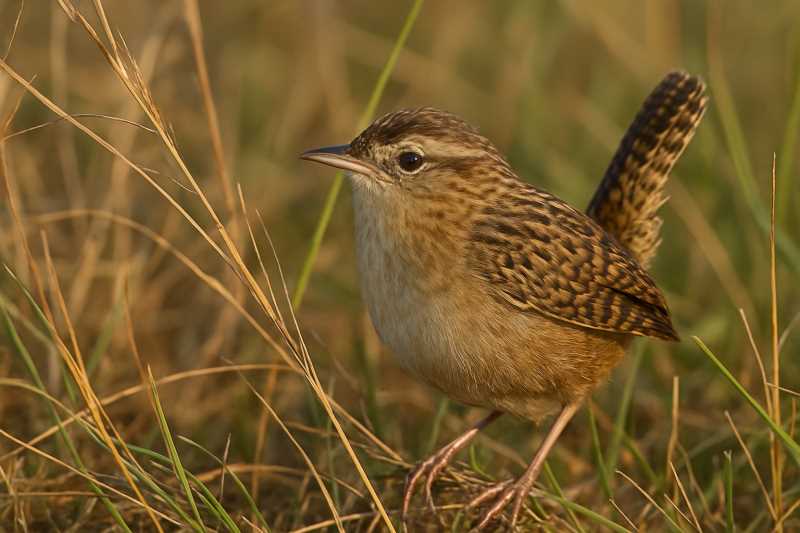
The Grass Wren is characterized by its diminutive size, typically measuring between 10 to 12 cm in length. It sports a subtle yet intricate plumage that blends seamlessly with its habitat. The upperparts are generally brown with distinctive streaks, while the underparts are lighter, often displaying a buff or whitish hue. This cryptic coloration is essential for camouflage, aiding in its survival by evading predators.
One of the most captivating aspects of the Grass Wren is its vocalization. Despite its small size, it produces a powerful and melodious song, often described as a series of trills and whistles. These vocalizations play a crucial role in territory establishment and mate attraction, often echoing across the open landscapes they inhabit.
Habitat and Distribution
Grass Wrens are widely distributed, inhabiting regions across South America, particularly in countries like Argentina, Chile, and Uruguay. They prefer open landscapes, thriving in grasslands, marshes, and shrubby areas where they can forage on the ground for insects and other small invertebrates.
Their choice of habitat is closely tied to the availability of cover and food resources. Dense grass and shrubs provide essential nesting sites and protection from predators. This habitat preference underscores the importance of maintaining natural grasslands and wetlands, which are increasingly threatened by human activities such as agriculture and urban development.
Breeding and Nesting
The breeding season for Grass Wrens typically aligns with the onset of spring and summer when food resources are abundant. During this period, males engage in elaborate singing displays to attract females and establish territories. The nests are intricately woven structures, often concealed within dense vegetation to protect against predators and harsh weather conditions.
Females lay clutches of three to five eggs, which they incubate for about two weeks. Both parents are involved in feeding the fledglings, showcasing a cooperative breeding strategy that enhances the survival rates of their offspring.
Conservation Status and Threats
Currently, the Grass Wren is not considered globally threatened, with a stable population trend reported across its range. However, localized threats do exist, primarily stemming from habitat destruction and fragmentation. Agricultural expansion, overgrazing, and urbanization pose significant risks to their natural habitats, leading to population declines in some regions.
Conservation efforts are essential to ensure the long-term survival of the Grass Wren. Protecting natural grasslands and implementing sustainable land-use practices are crucial steps in preserving their habitats. Additionally, raising public awareness about the ecological importance of grasslands and the species that inhabit them can foster a greater appreciation and commitment to conservation initiatives.
Conclusion
The Grass Wren, with its enchanting song and adaptability, serves as a vital component of the ecosystems it inhabits. Its presence is indicative of healthy grassland environments, making it a valuable species for ecological monitoring. As we continue to face environmental challenges, the conservation of species like the Grass Wren becomes increasingly important. By safeguarding their habitats and promoting sustainable practices, we can ensure that future generations will continue to marvel at the beauty and song of the Grass Wren.
Related posts