The Ethiopian White-eye: A Jewel of the Highlands
The Ethiopian White-eye, scientifically known as *Zosterops poliogastrus*, is an enchanting bird species that thrives in the highland regions of Ethiopia. Known for its striking appearance and distinctive behaviors, this avian species plays an essential role in the ecosystem and adds a vibrant splash of color to the Ethiopian landscapes. This article delves into the fascinating world of the Ethiopian White-eye, exploring its habitat, physical characteristics, behavior, and conservation status.
Habitat and Distribution
The Ethiopian White-eye is predominantly found in the highland areas of Ethiopia, often at altitudes ranging from 1,800 to over 3,000 meters above sea level. These birds are well-adapted to the temperate climates of these regions, preferring to inhabit montane forests, bamboo thickets, and gardens in rural and urban areas. The highland forests provide ample food resources and nesting sites, making them ideal for the Ethiopian White-eye.
Physical Characteristics
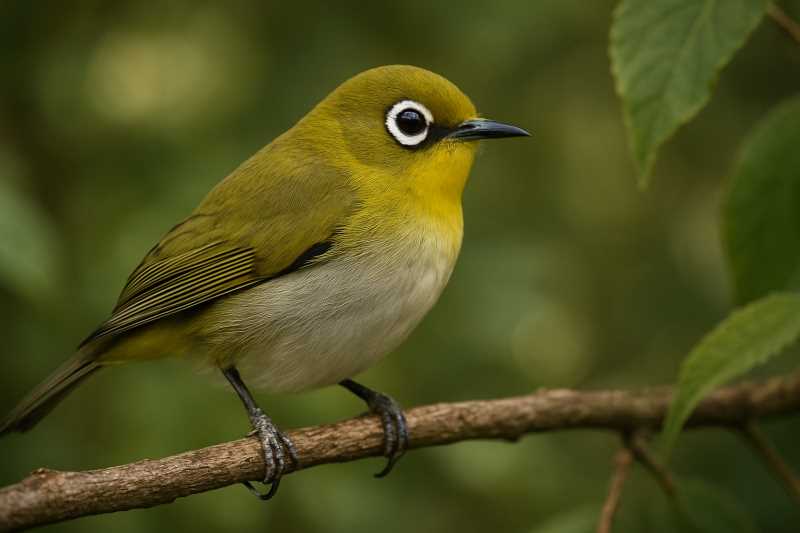
One of the most striking features of the Ethiopian White-eye is its vivid plumage. The bird is characterized by its olive-green upperparts, contrasting with a lighter greyish belly. The most distinctive feature, however, is the conspicuous white eye-ring that encircles its eyes, which gives the species its common name. The Ethiopian White-eye is a small bird, typically measuring around 11 to 12 centimeters in length, with a relatively short tail and a slender, pointed bill.
Behavior and Diet
The Ethiopian White-eye is a highly social bird, often seen in small flocks that engage in constant chatter and interaction. These flocks can be observed foraging for food in the forest canopy, displaying remarkable agility as they flit between branches. The diet of the Ethiopian White-eye primarily consists of insects and small invertebrates, which they skillfully extract from foliage. Additionally, they consume nectar and fruits, playing an important role in pollination and seed dispersal within their ecosystem.
The vocalizations of the Ethiopian White-eye are another notable aspect of its behavior. The bird produces a variety of calls, ranging from high-pitched whistles to melodic warbles, which are used for communication within flocks and during mating rituals. These vocalizations add a lively soundtrack to the highland forests, enhancing the auditory experience of birdwatchers and nature enthusiasts.
Breeding and Nesting
The breeding season for the Ethiopian White-eye typically coincides with the rainy seasons, when food resources are abundant. During this time, males engage in elaborate courtship displays to attract females. Once a pair has formed, they work together to construct a small, cup-shaped nest, often hidden among dense foliage to protect against predators.
The female usually lays two to three eggs, which both parents incubate for about 11 to 13 days. After hatching, the chicks are cared for by both parents until they fledge, typically within three weeks. This cooperative breeding strategy contributes to the success and survival of the species in its natural habitat.
Conservation Status
Currently, the Ethiopian White-eye is not considered globally threatened and is classified as a species of ‘Least Concern’ by the International Union for Conservation of Nature (IUCN). However, like many highland species, it faces potential threats from habitat degradation due to deforestation, agricultural expansion, and urbanization.
Conservation efforts are crucial to preserving the delicate ecosystems of the Ethiopian highlands, where the Ethiopian White-eye is an integral component. Initiatives focused on habitat restoration, sustainable land management, and environmental education can help ensure the continued survival of this and other endemic species.
Conclusion
The Ethiopian White-eye is a captivating bird that embodies the rich biodiversity of Ethiopia’s highlands. Its striking appearance, social behavior, and ecological importance make it a fascinating subject for ornithologists and bird enthusiasts alike. By understanding and appreciating the unique attributes of the Ethiopian White-eye, we can contribute to the conservation of its habitat and the preservation of Ethiopia’s natural heritage.
As we continue to explore and learn about the Ethiopian White-eye, it serves as a reminder of the intricate connections within ecosystems and the importance of protecting biodiversity for future generations to enjoy.
—
Related posts