The Eastern Bronze-naped Pigeon: A Jewel of the African Forests
The rich biodiversity of Africa is home to a plethora of unique and vibrant species, each contributing to the intricate tapestry of the continent’s ecosystems. Among these is the Eastern Bronze-naped Pigeon (Columba delegorguei), a bird that, while not as famous as the iconic African elephant or the majestic lion, plays a vital role in its habitat. This article delves into the life and characteristics of this remarkable avian species, exploring its habitat, behavior, and the conservation challenges it faces.
Habitat and Distribution
The Eastern Bronze-naped Pigeon is primarily found in the subtropical and tropical forests of eastern Africa. Its range extends through countries such as Kenya, Tanzania, Mozambique, and Malawi. These regions provide the dense forest cover that this species favors, often thriving in both lowland and montane forests up to altitudes of 2,400 meters.
The pigeon’s preferred habitat is characterized by a rich diversity of fruiting trees and shrubs, which are crucial for its diet. The forests of the Eastern Arc Mountains, for instance, offer a perfect sanctuary with their lush vegetation and relatively stable climate conditions. Despite this, habitat loss due to deforestation and agricultural expansion poses a significant threat to these birds, pushing them into more fragmented and isolated forest patches.
Physical Characteristics
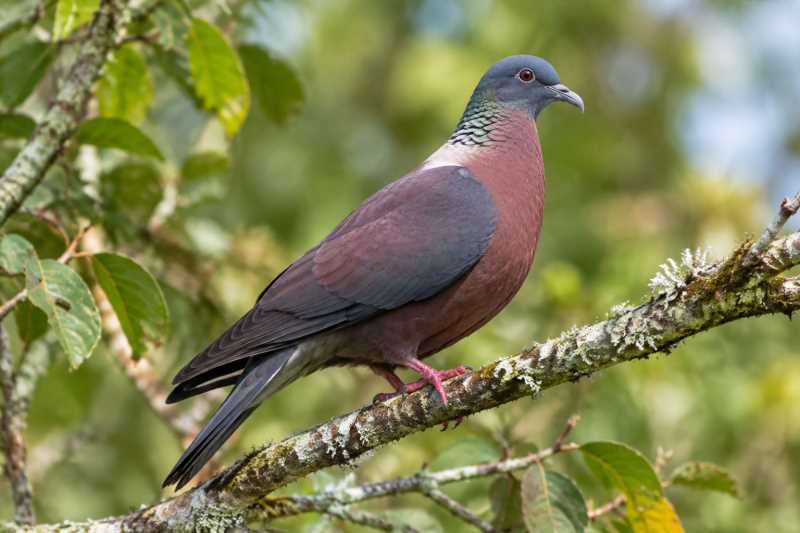
The Eastern Bronze-naped Pigeon is a medium-sized bird, measuring approximately 28 to 30 centimeters in length. Its plumage is a testament to the beauty of avian life, featuring a blend of metallic bronze and green hues on its nape, which gives the bird its distinctive name. The rest of its body is predominantly gray, with subtle variations in tone that add to its elegance.
One of the most striking features of this pigeon is its iridescent nape, which can vary in intensity depending on the angle of light and the bird’s posture. This iridescence is due to the microstructure of the feathers, which refracts light in a way similar to that seen in other iridescent birds like peacocks and hummingbirds.
Behavior and Diet
Eastern Bronze-naped Pigeons are primarily frugivorous, relying heavily on a diet of fruits and berries. They play a crucial ecological role as seed dispersers, aiding in the propagation of various plant species within their habitat. By consuming fruits and excreting the seeds at different locations, they help maintain the health and diversity of the forest ecosystem.
These pigeons are generally shy and elusive, often staying hidden within the dense foliage. They are known for their soft cooing calls, which can be heard echoing through the forests, especially during the early morning and late afternoon. The breeding season typically corresponds with periods of fruit abundance, ensuring that ample food is available for feeding their young.
Reproduction
Little is known about the specific breeding habits of the Eastern Bronze-naped Pigeon due to its secretive nature. However, like many pigeons and doves, they likely build simple nests made of twigs and leaves. These nests are usually constructed in the fork of a tree branch, providing safety and camouflage from predators.
The pigeons typically lay one or two eggs, which are incubated by both parents. The young hatchlings are altricial, meaning they are born relatively undeveloped and require significant parental care before they are ready to fledge.
Conservation Status and Threats
Currently, the Eastern Bronze-naped Pigeon is listed as Least Concern by the International Union for Conservation of Nature (IUCN). However, this status can be misleading as it does not account for the localized threats that can significantly impact specific populations.
The primary threat facing these pigeons is habitat destruction. The expansion of agriculture, logging, and human settlements has led to the fragmentation and degradation of their native forests. This not only reduces available habitat but also makes it more difficult for the birds to find food and suitable nesting sites.
Conservation efforts are crucial to ensuring the survival of the Eastern Bronze-naped Pigeon. Protecting large tracts of forest habitats, promoting sustainable land-use practices, and raising awareness about the species’ ecological importance are vital steps in mitigating the threats they face.
Conclusion
The Eastern Bronze-naped Pigeon is a captivating species that embodies the beauty and complexity of Africa’s avian fauna. While not immediately threatened, proactive conservation measures are essential to safeguard its future. By understanding and appreciating the role these pigeons play in their ecosystem, we can ensure that they continue to thrive in the wild, enriching the biodiversity of our planet for generations to come.
Related posts