The Chilean Flicker: An Insight into Colaptes pitius
Introduction
The Chilean Flicker (Colaptes pitius) is a remarkable species of woodpecker endemic to the southern regions of South America. Known for its distinctive appearance and unique behaviors, the Chilean Flicker plays a crucial role in its ecosystem, contributing to the health and diversity of the habitats it occupies. This article delves into the habitat, behavior, and conservation status of this fascinating bird, highlighting its significance in the natural world.
Physical Characteristics
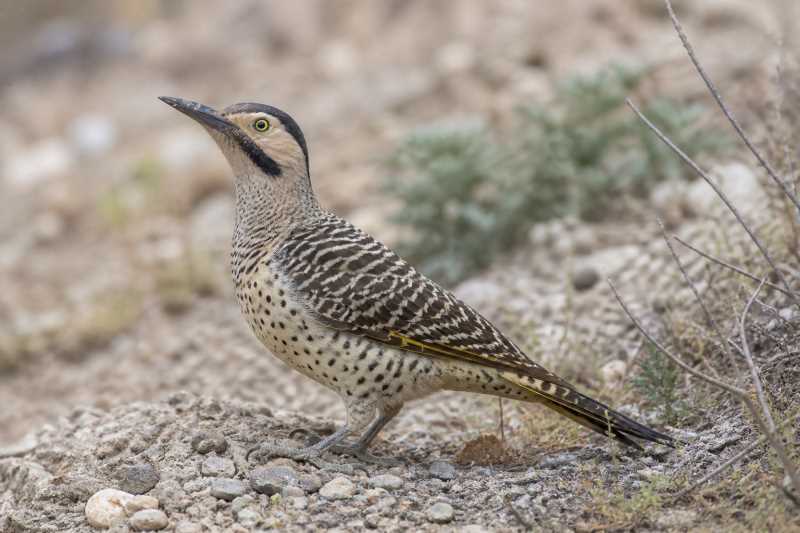
The Chilean Flicker is a medium-sized bird, typically measuring between 30 to 34 centimeters in length. It is characterized by its olive-brown plumage with a distinctive barred pattern of black and white on its wings and tail. One of the most striking features of the Chilean Flicker is its bright red crown, which is more pronounced in males. This vibrant coloration serves as a key identifier among the species.
The bird’s strong, chisel-like bill is perfectly adapted for its primary feeding habit—drumming and pecking at tree bark to uncover insects. Its zygodactyl feet, with two toes pointing forward and two backward, provide an excellent grip for climbing tree trunks.
Habitat and Distribution
Colaptes pitius is primarily found in the temperate forests of Chile and Argentina, with a preference for open woodlands, forest edges, and areas with scattered trees. This preference for diverse habitats makes it a versatile species, capable of thriving in both natural and semi-urban environments.
The Chilean Flicker’s range extends from the southern parts of Chile and Argentina, including areas such as the Biobío and Araucanía regions, reaching as far south as Tierra del Fuego. The bird’s adaptability to various habitats ensures its widespread presence in these regions, although its density can vary depending on the availability of suitable nesting sites and food resources.
Diet and Feeding Behavior
The Chilean Flicker primarily feeds on insects, particularly ants and beetles, which it extracts from beneath the bark of trees. This diet not only sustains the bird but also helps control the population of forest insects, contributing to the ecological balance.
In addition to insects, the Chilean Flicker occasionally consumes fruits and seeds, which adds variety to its diet. This opportunistic feeding behavior allows the species to adapt to seasonal changes in food availability, ensuring its survival even in less favorable conditions.
Reproduction and Nesting
Breeding season for the Chilean Flicker typically occurs between September and January. During this time, males engage in elaborate courtship displays, which include drumming on resonant surfaces to attract females. Once a pair bonds, they select a nesting site, often in a tree cavity or a hole excavated in soft wood.
The female typically lays between three to five eggs, which are incubated by both parents. After about two weeks, the eggs hatch, and the chicks are fed regurgitated food by the adults. Both parents play an active role in raising the young, ensuring their survival through constant feeding and protection from predators.
Conservation Status
Currently, the Chilean Flicker is classified as a species of Least Concern by the International Union for Conservation of Nature (IUCN). Despite this status, the bird faces threats from habitat destruction due to logging and land conversion for agriculture and urban development. Conservation efforts are essential to maintain the natural habitats that support the Chilean Flicker and other native wildlife.
Protected areas in southern Chile and Argentina provide crucial sanctuaries for the species, allowing them to thrive in their natural environment. Continued monitoring and research are necessary to understand the population dynamics and address potential threats to their habitats.
Conclusion
The Chilean Flicker is a vital component of its ecosystem, contributing to the ecological balance through its feeding habits and role as a prey species for larger predators. Understanding and preserving this unique bird is crucial to maintaining the biodiversity of the southern South American region.
By raising awareness and supporting conservation initiatives, we can ensure that the Chilean Flicker continues to thrive in its natural habitat, enriching the vibrant tapestry of life with its presence.
References
- BirdLife International. (2021). Colaptes pitius. The IUCN Red List of Threatened Species.
- Short, L. L. (1982). Woodpeckers of the World. Delaware Museum of Natural History.
- Goodall, J. D., et al. (1957). Birds of Chile.
Author
[Your Name], an ornithologist and writer with a passion for avian ecology and conservation.
Related posts