Discovering the Rufous-bellied Heron: A Jewel of African Wetlands
The Rufous-bellied Heron (Ardeola rufiventris) stands as one of Africa’s avian treasures, gracing the continent’s wetlands with its striking plumage and elusive nature. This article delves into the unique characteristics, behaviors, and conservation status of this captivating bird, providing insights into its habitat, diet, and role within the ecosystem.
Taxonomy and Description
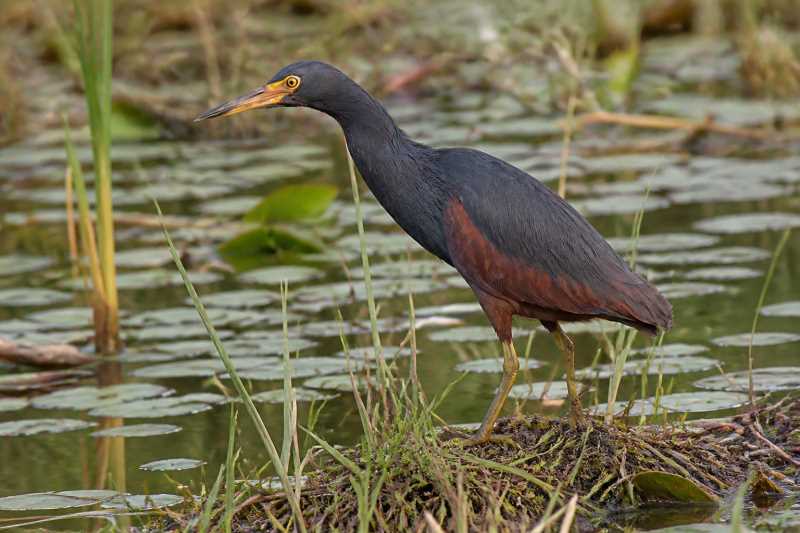
The Rufous-bellied Heron belongs to the family Ardeidae, which encompasses a diverse range of wading birds known as herons. Ardeola rufiventris, the scientific name of the Rufous-bellied Heron, distinguishes it from its relatives with specific morphological traits. Adult Rufous-bellied Herons are medium-sized, measuring approximately 38-39 cm in length. Their most distinctive feature is their rufous (reddish-brown) belly, which contrasts vividly against the darker upperparts and the pale creamy-white throat and chest. The heron’s wings and back display a subtle blend of dark grey and chestnut hues.
One of the bird’s more subtle features is its yellow eyes, which stand out against its dark, slate-colored bill. The legs of the Rufous-bellied Heron are greenish-yellow, providing a further contrast with its overall coloration. These physical characteristics make the Rufous-bellied Heron a subject of interest for birdwatchers and ornithologists alike.
Habitat and Distribution
The Rufous-bellied Heron is predominantly found in sub-Saharan Africa, with a range extending across the central and southern parts of the continent. Its preferred habitats include freshwater marshes, floodplains, and the margins of lakes and rivers. The bird is particularly fond of areas with abundant reeds and aquatic vegetation, which provide ample cover and feeding opportunities.
Countries where the Rufous-bellied Heron is commonly observed include Angola, Botswana, Namibia, Zambia, and South Africa, among others. The bird is non-migratory, but it may exhibit local movements in response to seasonal changes in water levels and food availability.
Behavior and Diet
Rufous-bellied Herons are generally solitary birds, although they may be seen in small groups during the breeding season or when food is particularly abundant. Their foraging behavior is characterized by a slow and deliberate approach, as they stalk prey in shallow waters. The heron’s diet primarily consists of small fish, amphibians, insects, and crustaceans. Its hunting technique involves standing motionless or moving stealthily in the water, waiting for the perfect moment to strike with its sharp bill.
The bird’s vocalizations are generally subdued, consisting of soft croaks and calls that are often heard during courtship or territorial displays. Despite their relatively quiet nature, Rufous-bellied Herons are known to be quite vocal when alarmed or disturbed.
Breeding and Nesting
The breeding season of the Rufous-bellied Heron varies geographically, often coinciding with the rainy season when food resources are abundant. The birds are colonial nesters, often forming loose colonies in dense reed beds or other vegetation near water bodies.
Nests are constructed from reeds and sticks, with both males and females participating in the building process. The female typically lays between 2 to 4 eggs, with both parents sharing incubation duties. The incubation period lasts about 21 to 25 days. Once hatched, the chicks are altricial, requiring significant parental care and feeding until they are ready to fledge.
Conservation Status
The Rufous-bellied Heron is currently listed as a species of Least Concern by the International Union for Conservation of Nature (IUCN), indicating that it does not face any immediate threats of extinction. However, like many wetland bird species, the Rufous-bellied Heron is vulnerable to habitat loss and degradation, primarily due to human activities such as agriculture, urban development, and climate change.
Conservation efforts aimed at preserving wetland habitats are crucial for maintaining healthy populations of Rufous-bellied Herons. Protected areas and conservation programs that focus on wetland management and restoration play an essential role in safeguarding these birds and the ecosystems they inhabit.
Ecological Importance
The Rufous-bellied Heron is an integral part of the wetland ecosystems in which it resides. As a predator, it helps regulate populations of small aquatic organisms, contributing to the balance of the food web. Additionally, the presence of Rufous-bellied Herons can serve as an indicator of ecosystem health, as these birds thrive in biodiverse and well-managed habitats.
Birdwatchers and ecotourists are often drawn to areas where Rufous-bellied Herons are present, highlighting the bird’s potential for promoting sustainable tourism and economic benefits for local communities.
Conclusion
The Rufous-bellied Heron is a remarkable species that encapsulates the beauty and diversity of Africa’s wetlands. Through understanding its behavior, habitat preferences, and ecological role, we can better appreciate the importance of conserving this species and its environment. Efforts to protect and restore wetland habitats will not only benefit the Rufous-bellied Heron but also the myriad of other species that depend on these vital ecosystems.
By fostering awareness and supporting conservation initiatives, we can ensure that future generations continue to witness the splendor of the Rufous-bellied Heron and the vibrant ecosystems it inhabits.
Related posts