The Amazonian Motmot: Jewel of the Rainforest
The Amazonian Motmot, scientifically known as *Momotus momota*, is a breathtaking bird species that graces the lush canopies of the Neotropics. Known for its vibrant plumage and distinctive calls, this avian gem plays a crucial role in the ecosystems of Central and South America. With its striking appearance and unique behaviors, the Amazonian Motmot is a fascinating subject for ornithologists and bird enthusiasts alike.
Physical Characteristics
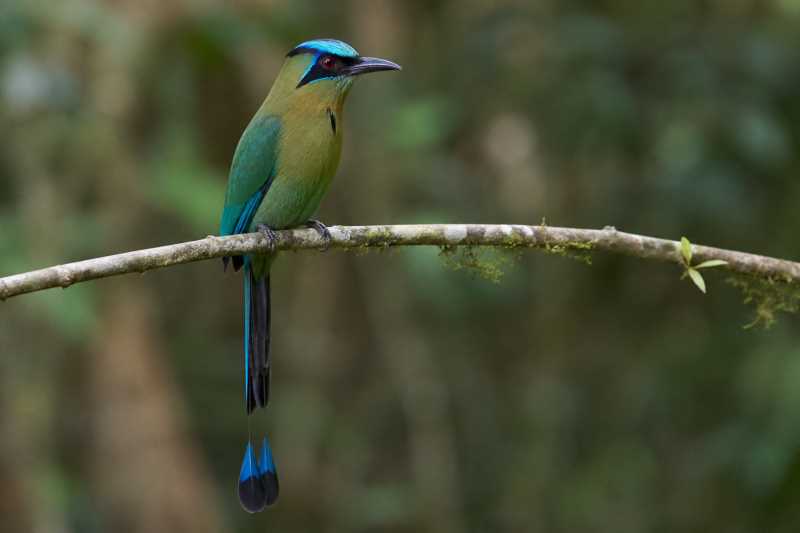
One of the most captivating aspects of the Amazonian Motmot is its vivid coloration. The bird boasts a palette of greens, blues, and oranges, with an unmistakable turquoise crown. The bird’s back is a rich green, transitioning to a bright blue on the wings and tail. The underparts are primarily cinnamon-colored, adding contrast to its overall appearance. Perhaps the most notable feature of the Amazonian Motmot is its unique racket-shaped tail. This distinctive shape results from the bird’s habit of preening its tail feathers, breaking off barbs on either side of the shaft, a characteristic that has piqued the curiosity of researchers.
Habitat and Distribution
The Amazonian Motmot inhabits the tropical forests of the Amazon Basin, extending into parts of Central America, including countries like Mexico, Honduras, and Costa Rica. It favors dense, humid forest environments, where its plumage provides effective camouflage against predators. The Motmot is primarily a forest-dweller, but it is also known to adapt to secondary growth and even coffee plantations, showcasing its remarkable adaptability.
Behavior and Diet
The Amazonian Motmot is a solitary and elusive bird, often observed alone or in pairs. Its behavior is characterized by its quiet demeanor and its habit of perching silently for long periods, a strategy that aids in its camouflage. From these perches, the Motmot performs its characteristic tail wagging, a behavior thought to play a role in communication or predator deterrence.
Diet-wise, the Amazonian Motmot is an opportunistic feeder. Its diet includes a variety of insects, small reptiles, and even small mammals. The bird is also known to consume fruits, making it an important seed disperser in its habitat. This varied diet underscores the bird’s role as both predator and disperser, contributing to the ecological balance of its environment.
Reproduction and Lifespan
The breeding season of the Amazonian Motmot varies depending on its geographical location, but it generally occurs during the rainy season when food is abundant. The bird nests in burrows that it excavates in banks or on sloping ground. These burrows can be quite deep, providing protection for the eggs and chicks from predators. A typical clutch consists of 3-4 eggs, which are incubated by both parents. Once hatched, both parents are involved in feeding and caring for the chicks until they fledge.
The lifespan of the Amazonian Motmot in the wild is not well-documented, but it is believed to be around 12-15 years, similar to other motmot species. This relatively long lifespan allows the bird to play a sustained role in its ecosystem, contributing to its stability and diversity.
Conservation Status
Currently, the Amazonian Motmot is classified as a species of Least Concern by the International Union for Conservation of Nature (IUCN). Despite this classification, the bird faces threats from habitat loss due to deforestation and agricultural expansion. Conservation efforts focusing on habitat preservation and sustainable land-use practices are crucial to ensure the continued survival of this species.
Cultural Significance
In many indigenous cultures of the Amazon, the Amazonian Motmot holds symbolic significance. Its vibrant colors and elusive nature make it a symbol of beauty and mystery. The bird is also featured in local folklore, often associated with stories of the rainforest and its spirits.
Conclusion
The Amazonian Motmot is more than just a beautiful bird; it is an integral part of the rainforest ecosystem. Its role as a seed disperser and predator highlights the interconnectedness of species within this biodiverse habitat. As the Amazonian rainforest faces increasing threats, understanding and preserving the species like the Amazonian Motmot becomes imperative. This bird serves as a reminder of the delicate balance of nature and the need for concerted conservation efforts to protect these irreplaceable natural treasures.
Related posts